South Korea’s labor unions and corporate employers have entered a high-stakes standoff over the 2027 minimum wage, driven into deeply opposing camps by the country’s stubbornly high inflation and sluggish domestic economy.
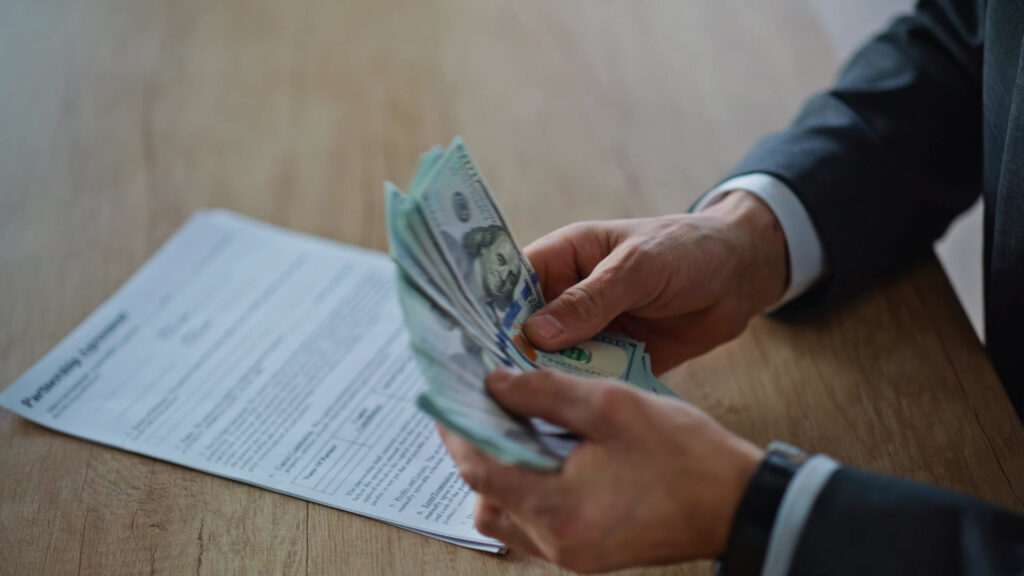
During formal negotiations that opened on June 23, the two sides presented starkly divergent proposals that underscore the broader macroeconomic friction squeezing Asia’s fourth-largest economy. Labor representatives demanded a 16.3% wage hike, pushing the hourly rate to $8.70 from the current $7.48. In sharp contrast, employer groups called for an outright freeze, arguing that a fragile corporate sector cannot absorb further labor cost increases.
The $1.22-an-hour gulf between the initial demands highlights the severe toll that persistent cost-of-living pressures are taking on both households and businesses. Labor advocates argue that a dramatic upward adjustment is strictly necessary, pointing out that relentless inflation in food, energy, and daily necessities has severely eroded the real purchasing power of the working class over the past year.
Conversely, the business lobby—representing a spectrum from industrial conglomerates to struggling small-business owners—contends that a double-digit wage increase would be economically disastrous. Employers argue they are already being battered by a perfect storm of weak domestic consumption, elevated borrowing costs, and soaring raw material expenses. For many self-employed operators and smaller enterprises, business representatives warned, a mandatory wage hike could trigger mass layoffs or force closures.
The current collision course follows a period of relatively moderated wage growth. After a wave of aggressive hikes in previous years, South Korea’s minimum wage increases have recently tapered to reflect broader economic cooling, rising 5.05% in 2022, 5.0% in 2023, 2.5% in 2024, 1.7% in 2025, and 2.9% in 2026.
As the Minimum Wage Commission prepares for a grueling series of plenary sessions in the coming weeks, the negotiations are expected to be exceptionally fraught. The final 2027 rate will not only dictate the livelihoods of millions of South Korean workers but will also serve as a critical barometer for how the country intends to navigate the delicate balance between shielding consumers from inflation and protecting corporate viability in a stagnant market.