Hyundai Motor Group, South Korea’s largest automaker, is taking one of its most ambitious hydrogen projects to Antarctica, betting that technology developed for next-generation energy systems can help power remote research stations in one of the world’s most unforgiving environments.
The company announced this week that it will work with South Korea’s Ministry of Oceans and Fisheries and the Korea Polar Research Institute to build a green hydrogen power grid at the country’s Antarctic research facilities. The initiative is aimed at reducing the stations’ overwhelming dependence on diesel fuel while creating a model for energy self-sufficiency in isolated regions where access to conventional power infrastructure is impossible.
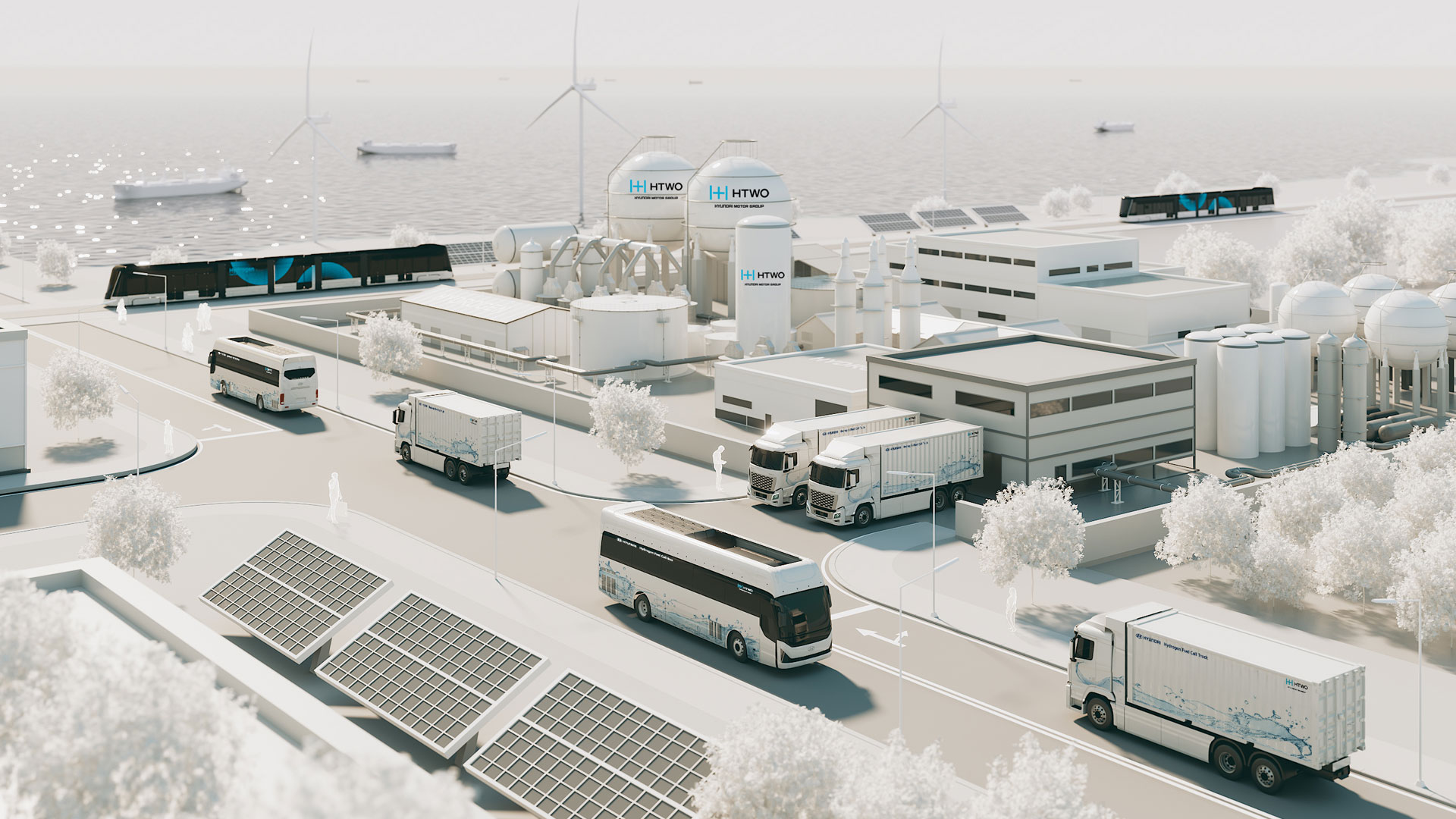
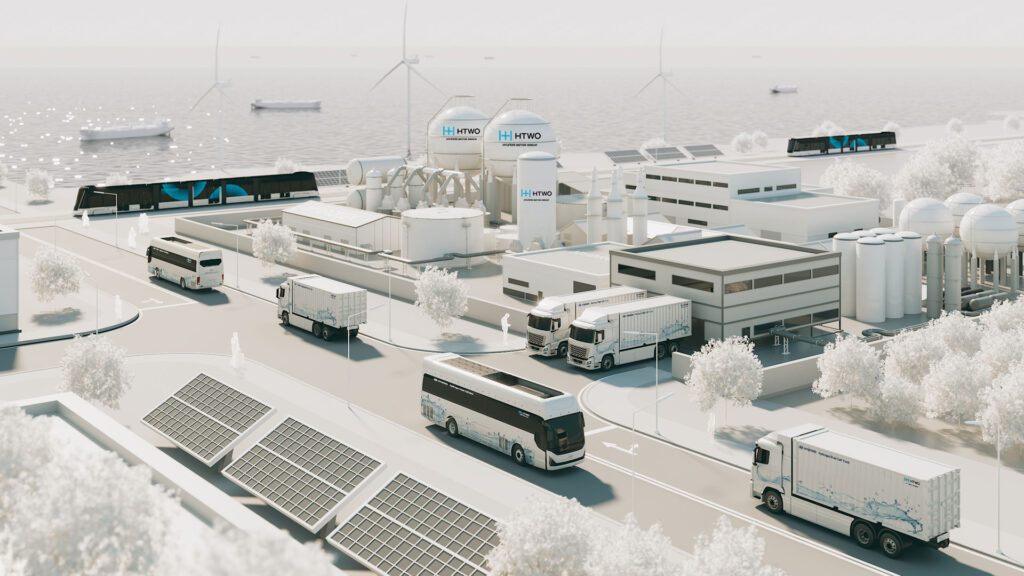
The project centers on a hydrogen-based energy cycle powered by renewable electricity. Solar energy generated during periods of abundant sunlight will be used to split water into hydrogen through electrolysis. The hydrogen will then be compressed and stored before being converted back into electricity through fuel cells when solar generation falls short.
The approach addresses one of the biggest challenges facing Antarctic operations. South Korea’s King Sejong Station and Jang Bogo Station currently rely on diesel generators for roughly 97% of their electricity needs. Because the facilities are disconnected from any external power grid and operate in an environment where fuel deliveries are expensive and weather-dependent, maintaining a stable energy supply remains a constant logistical challenge.
Under the agreement, Hyundai will support the deployment of electrolyzers, hydrogen storage and compression systems, and fuel-cell generators while helping expand solar-power capacity. The government and research institute will oversee local installation and operations and develop a hybrid energy-management system that combines hydrogen, solar and diesel generation.
For Hyundai, the project represents more than an environmental initiative. The company has spent years investing in hydrogen technologies across transportation and power-generation applications, viewing hydrogen as a key component of future energy systems. The Antarctic project extends that strategy beyond vehicles and into remote infrastructure, offering an opportunity to demonstrate how hydrogen can function in some of the harshest operating conditions on Earth.
The effort also highlights South Korea’s broader push to establish itself as a leader in emerging hydrogen technologies. While hydrogen has often been associated with future transportation, governments and companies are increasingly exploring its role in energy storage, industrial power systems and off-grid applications. Antarctica provides an unusually demanding test case where reliability can be as important as sustainability.
If successful, the project could offer lessons far beyond polar research. Similar systems could eventually be deployed in remote communities, island regions, mining operations and other locations where traditional power networks are unavailable or costly to maintain.
Sung Kim, President and Head of Strategic Planning at Hyundai Motor Group, said the initiative marks an important starting point for transitioning Antarctic research stations toward cleaner energy sources. He added that the company aims to develop hydrogen-based solutions capable of operating in extreme environments and adaptable to a wide range of regions in the future.