More than two years after the war in Ukraine triggered one of the largest corporate withdrawals from Russia since the Cold War, many multinational companies that publicly exited or sharply reduced operations are still quietly preserving one critical asset inside the country: their brands.
For global corporations ranging from South Korea’s Hyundai Motor, Samsung Electronics and LG Electronics to Western consumer giants such as McDonald’s, Apple and Nike, Russia may no longer be an active growth market—but it is far from abandoned.
Instead, the country increasingly represents a strategically sidelined market that companies appear unwilling to permanently surrender.
Recent trademark filings with Russian authorities suggest that several major foreign corporations continue monitoring long-term opportunities in the Russian market, even as geopolitical risks, sanctions and reputational concerns prevent a full-scale return.
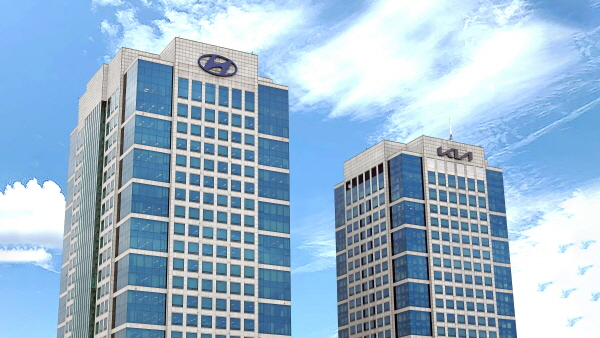
Hyundai this month registered new trademarks in Russia for vehicle lines including Elantra and Hyundai Mighty, covering a broad range of passenger vehicles, trucks, buses, engines and automotive parts through 2034.
Samsung has also reportedly filed multiple trademarks related to televisions and consumer electronics, while LG has expanded protections tied to television and artificial-intelligence technologies.
The filings highlight a broader corporate calculation now shaping post-withdrawal strategy.
Rather than maintaining large operational footprints, many companies are preserving legal rights, intellectual property protections and brand recognition in anticipation of a future scenario where geopolitical conditions could stabilize or sanctions frameworks could eventually shift.
Russia, despite its wartime isolation from much of the West, remains one of the world’s largest consumer markets by population and retains long-term strategic relevance for sectors ranging from automotive and electronics to food, apparel and luxury goods.
For many corporations, allowing trademarks to lapse could create risks extending far beyond temporary lost sales.
Brand abandonment may expose companies to counterfeiting, unauthorized local use and diminished future reentry potential should market conditions improve.
This dynamic has created an unusual middle ground: companies are operationally absent, but strategically attentive.
Hyundai’s approach illustrates the balance.
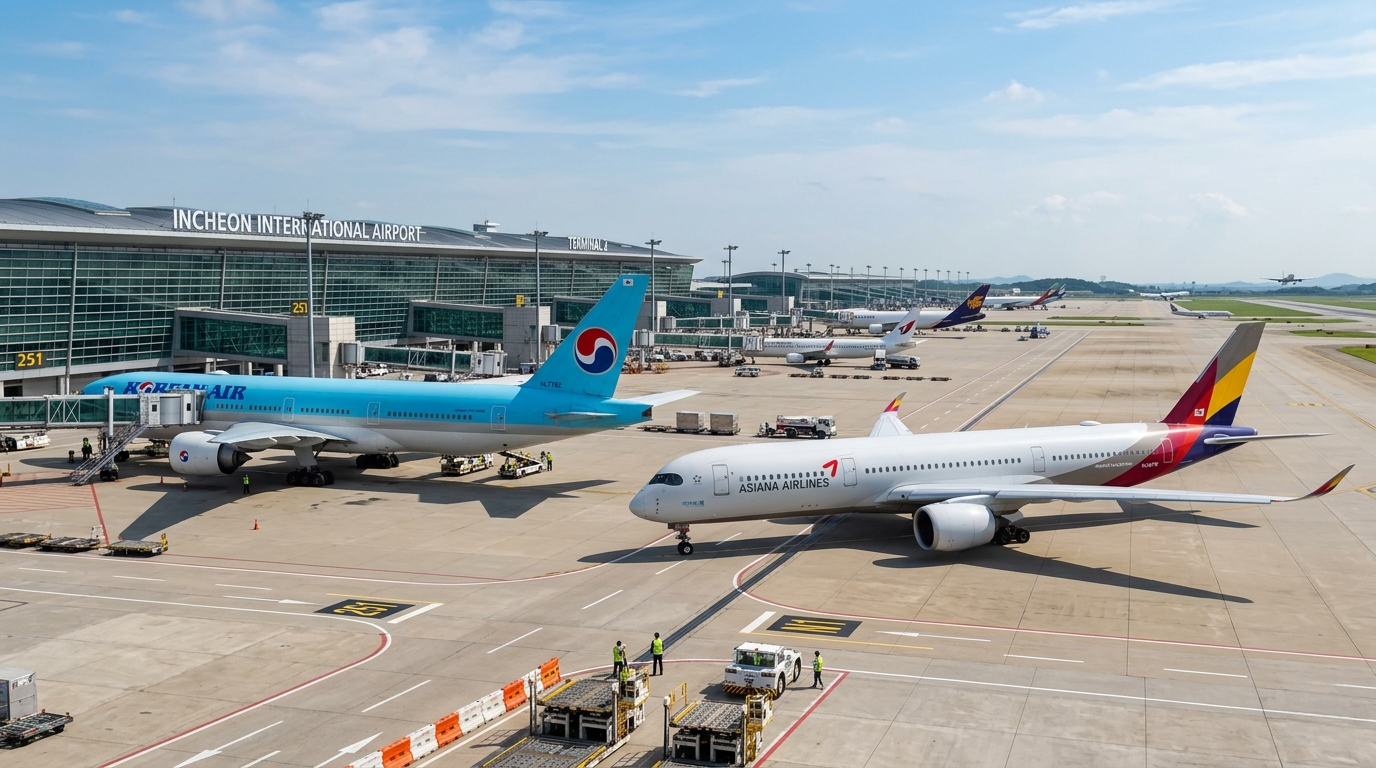
The South Korean automaker formally sold its St. Petersburg plant in late 2023 and has said it will not exercise its buyback option. Yet it continues maintaining trademark protections and customer-support systems, signaling that while manufacturing may be suspended, long-term brand preservation remains a priority.
Industry officials say such strategies are increasingly common across sectors.
In effect, multinational companies appear to be treating Russia less as a permanently closed chapter and more as a dormant strategic option—one constrained by war today, but still too large to ignore indefinitely.
The approach reflects the broader realities of modern geopolitical business strategy, where market exits do not always equate to permanent disengagement.
For global corporations, Russia’s wartime economy may currently be inaccessible, but its long-term commercial value continues to command attention.
As the conflict reshapes trade routes, supply chains and political alliances, many of the world’s largest companies seem determined to ensure that if Russia eventually reopens more fully to international business, their brands will still be waiting.