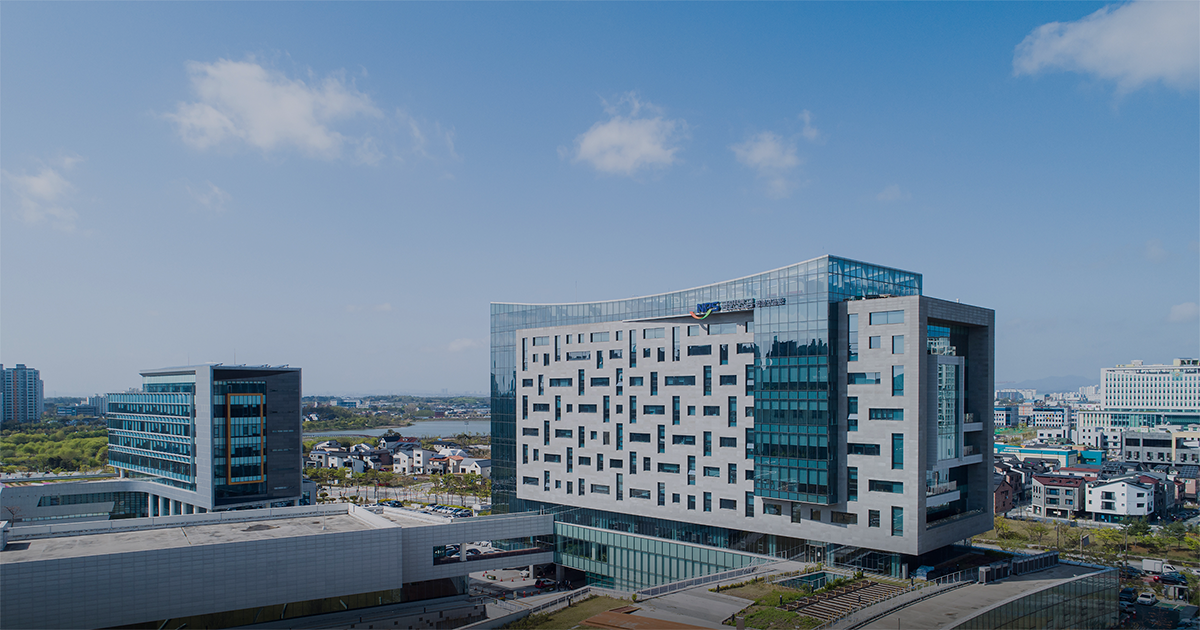
For years, South Korea’s National Pension Service has been viewed as a warning sign of the financial pressures created by population decline.
The government-run retirement fund, which provides pensions to millions of South Koreans, has long faced projections that its reserves could eventually be exhausted as the country’s workforce shrinks and the number of retirees continues to rise. With fewer workers paying into the system and more retirees drawing benefits, pension reform has become one of South Korea’s most politically sensitive economic issues.
Now an unexpected factor is reshaping that outlook: the stock market.
South Korea’s benchmark stock index has surged on investor enthusiasm surrounding semiconductors and artificial intelligence, lifting the value of the National Pension Service’s investment portfolio. The fund held roughly $950 billion in assets at the end of last year, but market estimates suggest that figure had climbed to approximately $1.2 trillion by the end of May.
The increase is significant enough that some pension industry experts believe it could materially alter the fund’s long-term future.
According to pension industry estimates, if the National Pension Service generates average annual investment returns of 5.5% beginning next year, the projected depletion date could be pushed back from 2071 to 2095. The return assumption matches the long-term investment target adopted during South Korea’s most recent pension reform discussions.
The projection does not assume higher birth rates, stronger population growth or faster economic expansion. Instead, it reflects the effect of entering future decades with a substantially larger pool of investment assets than previously expected.
That shift is changing how some analysts view the pension debate.
For much of the past decade, discussions surrounding South Korea’s retirement system have focused almost exclusively on demographics. The country has recorded the world’s lowest fertility rate in recent years, fueling concerns that future generations of workers would struggle to support a rapidly aging population. The latest projections suggest that investment performance may be nearly as important as demographic trends in determining how long the pension fund remains solvent.
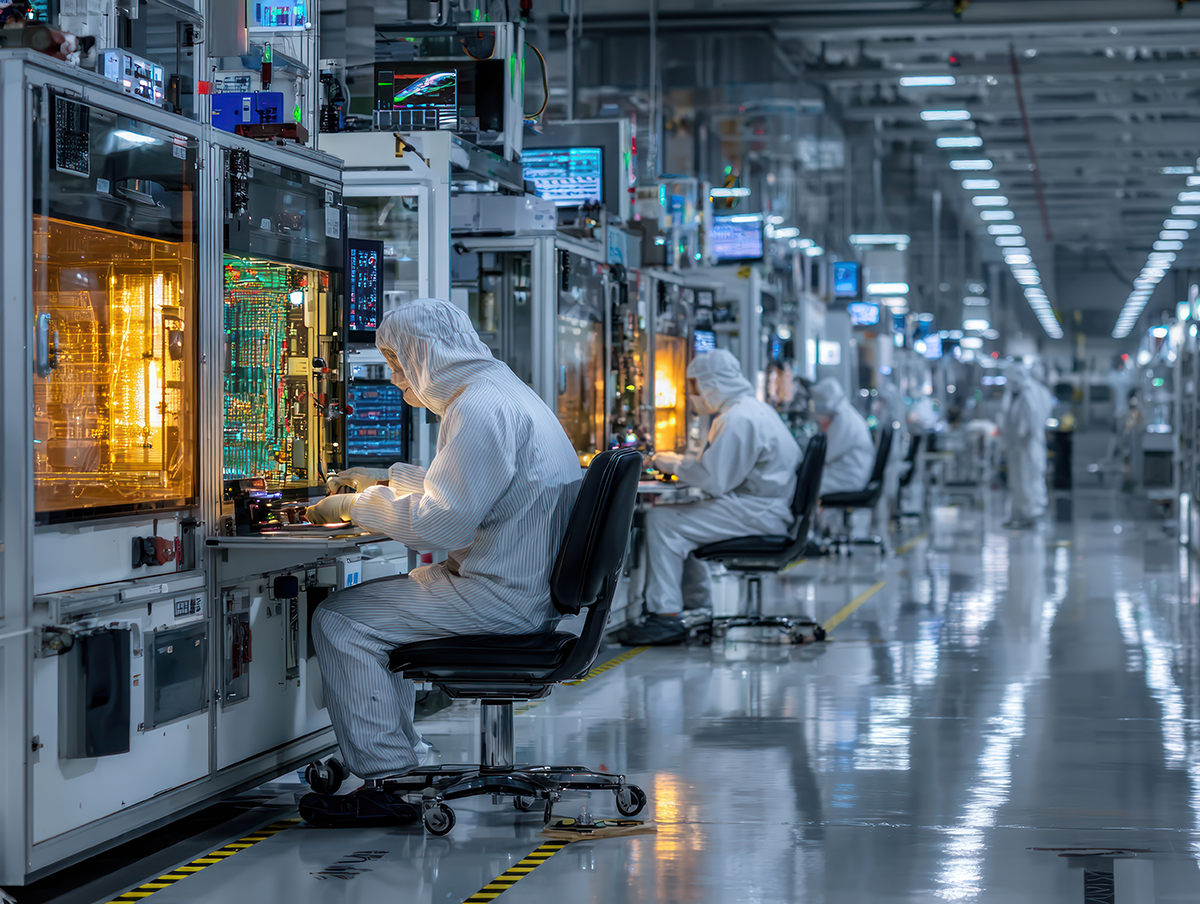
The recent gains are closely linked to sectors that have become central to the global technology economy. South Korea is home to major semiconductor producers such as Samsung Electronics and SK Hynix, both of which have benefited from rising demand for AI infrastructure, advanced chips and data-center investment.
The improved outlook comes with important caveats. Much of the pension fund’s recent growth reflects market valuations rather than realized profits, meaning a prolonged downturn in equities could quickly alter the picture. The estimate therefore should not be interpreted as evidence that South Korea’s pension challenges have disappeared.
Still, the development offers a striking example of how technology-driven investment gains can influence public finances. In a country where discussions about pensions have traditionally centered on falling birth rates and population aging, a rally powered by semiconductors and artificial intelligence is now forcing policymakers and investors to reconsider the timeline of a problem once thought to be largely demographic in nature.
South Korea’s long-term population challenges remain unresolved. Yet the recent surge in pension assets has demonstrated that the future of a retirement system may depend not only on how many workers contribute to it, but also on how successfully the money already inside the fund is invested.