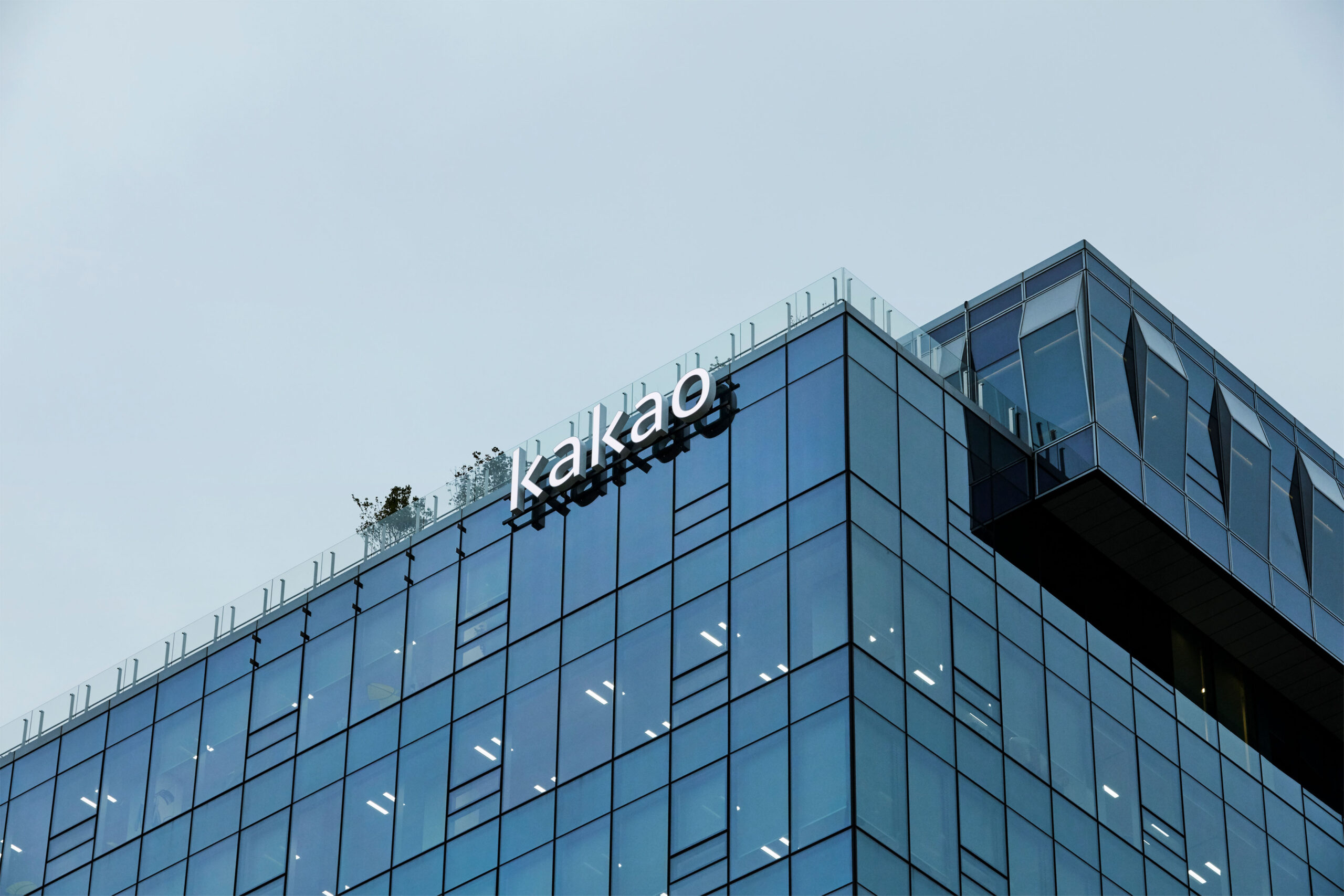
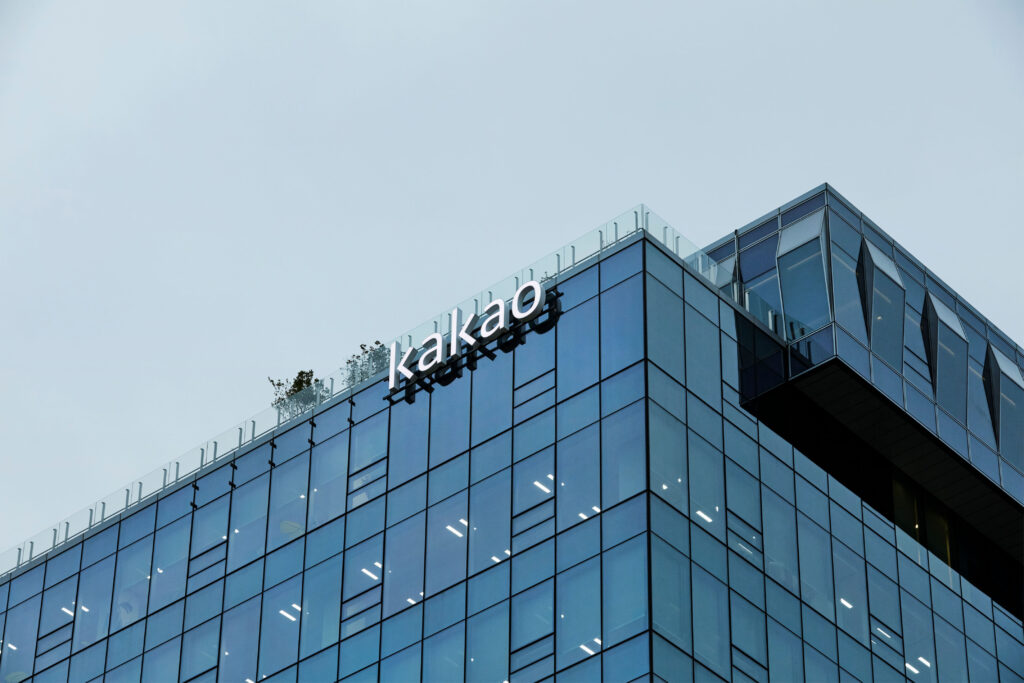
A labor dispute unfolding at Kakao, the operator of South Korea’s dominant messaging platform KakaoTalk, is rapidly becoming a broader symbol of the pressures facing the country’s technology industry as slowing growth collides with rising employee expectations in the artificial intelligence era.
Kakao’s labor union is preparing for a possible strike after wage negotiations with management collapsed this week, marking the most serious labor confrontation in the company’s history.
For many South Koreans, Kakao is not simply another technology company.
KakaoTalk functions as the country’s de facto national messaging platform, used by the overwhelming majority of smartphone users for communication, digital payments, transportation services, shopping and entertainment. Disruption inside the company therefore carries broader social and economic significance than a typical corporate labor dispute.
At the center of the conflict is a disagreement over compensation.
The union is demanding larger performance based bonuses and greater recognition of employee contributions during years in which Kakao expanded aggressively across multiple digital industries. Labor representatives have also challenged how the company calculates stock based compensation, including restricted stock units granted to employees.
Management, however, is facing mounting pressure from investors to improve profitability and control costs after several years of slowing growth and regulatory scrutiny.
That tension reflects a deeper transformation underway inside South Korea’s technology sector.
During the country’s rapid digital expansion years, platform companies such as Kakao enjoyed explosive growth, aggressive hiring and soaring market valuations. Employees at major technology firms became accustomed to rising salaries, stock compensation and generous performance incentives tied to rapid corporate expansion.
But conditions have changed.
South Korea’s internet and platform markets have matured, advertising growth has slowed and investors have become increasingly focused on operational efficiency rather than expansion at any cost.
At the same time, the rise of artificial intelligence has created a new competitive race requiring massive investment in AI infrastructure, cloud systems and platform restructuring.
Kakao is currently attempting to reorganize large parts of its business while accelerating its AI strategy. The company recently announced plans to restructure internal product organizations and strengthen user focused services inside KakaoTalk.
That has left management trying to balance several competing priorities simultaneously: reducing inefficiencies, investing in future AI growth and responding to employee demands for stronger compensation.
The dispute also reflects a broader shift in labor expectations across South Korea’s corporate landscape.
Employees at major companies have become increasingly vocal about demanding a greater share of profits, particularly after AI driven semiconductor growth generated massive bonuses at firms such as SK Hynix. Similar compensation disputes have emerged at Samsung Electronics and other large employers.
For Kakao, however, the challenge is more complicated than it is for semiconductor companies benefiting directly from surging global AI demand.
Unlike chipmakers riding an export boom, Kakao operates in a slower growth domestic platform business where profitability pressures are intensifying even as employee expectations remain high.
The company’s chief executive, Jung Shin a, publicly apologized to employees following the breakdown in negotiations, acknowledging frustration surrounding the prolonged uncertainty and urging both labor and management to continue dialogue.
Still, the possibility of a strike has exposed growing unease inside one of South Korea’s most influential technology companies.
Industry analysts say the outcome could become an important test case for the future of labor relations in South Korea’s technology sector as the industry transitions from rapid expansion toward a more mature and efficiency driven phase.
For Kakao, the issue now extends beyond wages alone.
How the company resolves the standoff may determine whether it can maintain employee support while attempting one of the most important strategic transformations in its history.