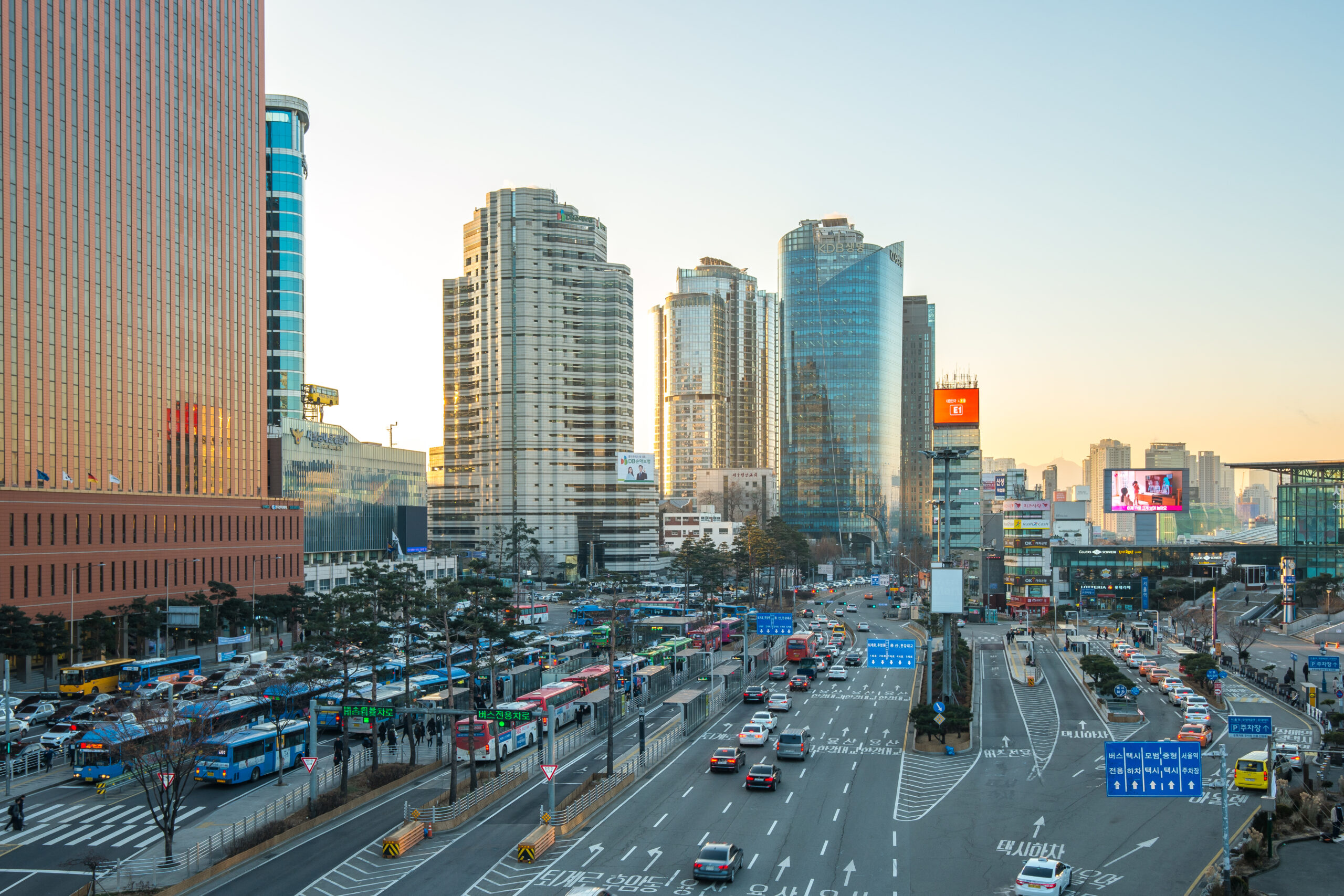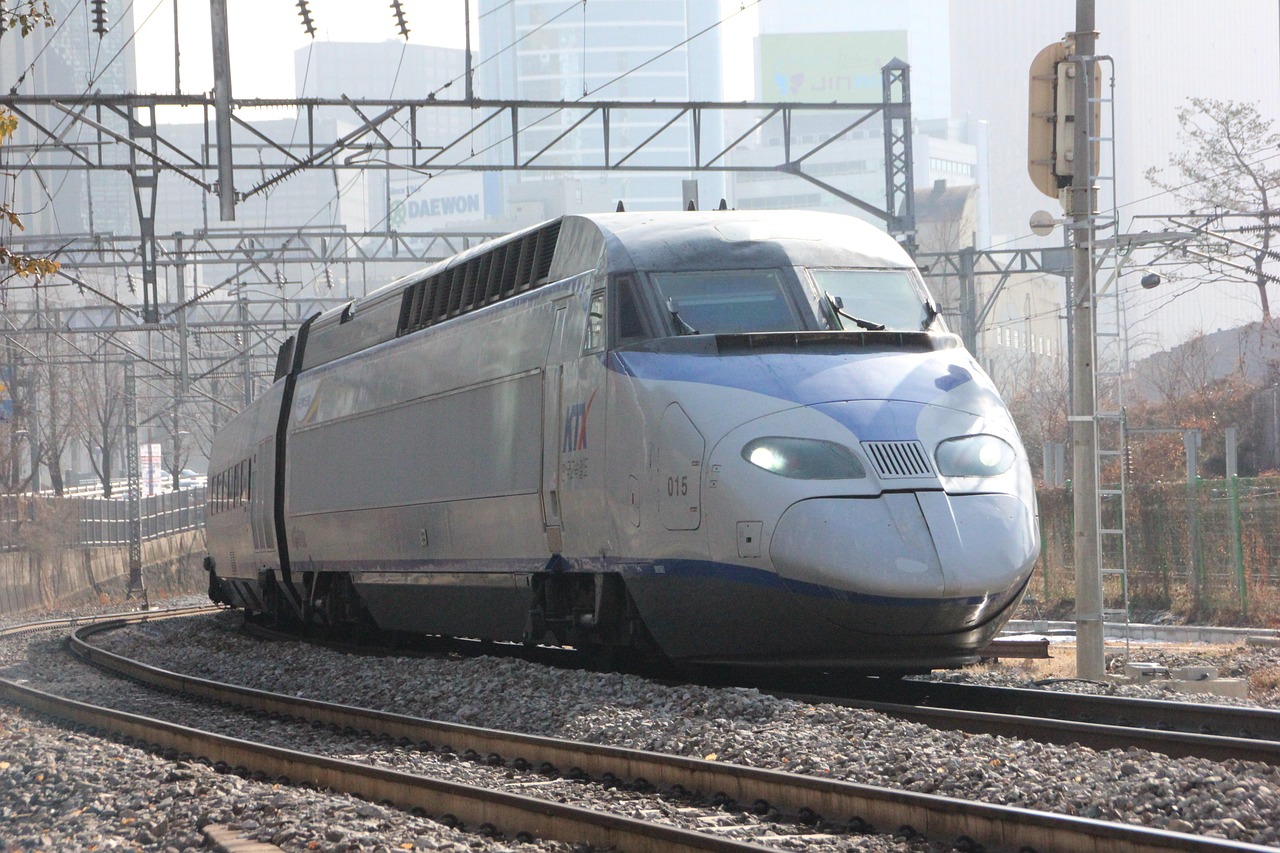
A partial overpass collapse in central Seoul disrupted sections of South Korea’s high-speed rail network this week, underscoring how heavily the country’s transportation system depends on a tightly concentrated infrastructure corridor running through the capital.
KORAIL said it would reduce and reroute multiple train services on Tuesday after demolition work at the Seosomun overpass site triggered a power outage on rail lines connecting Seoul Station and nearby districts.
The accident occurred Monday afternoon in Seoul’s Seodaemun District when part of an elevated roadway under demolition collapsed onto nearby infrastructure. The incident cut electricity to overhead railway lines between Seoul Station and Sinchon Station, temporarily halting KTX high-speed rail service between Seoul and Haengsin and disrupting commuter rail traffic in northwestern parts of the capital.
While no nationwide shutdown occurred, the operational impact spread quickly across the broader rail network because Seoul Station functions as the central hub for much of South Korea’s passenger rail system.
KTX services on the country’s main Gyeongbu and Honam corridors were shortened, with trains operating only on limited segments between Seoul and Busan or between Yongsan Station and southern regional cities including Mokpo and Yeosu. Additional disruptions affected Gangneung and Jungang line services departing from eastern Seoul.
KORAIL also warned passengers to expect delays because all KTX trains would temporarily stop at stations typically bypassed during express operations.
The disruption extended beyond high-speed rail. Regional Mugunghwa passenger trains and several intercity ITX services were either rerouted or forced to terminate outside Seoul in an effort to reduce congestion around the capital’s main rail terminals.
The incident highlighted the degree to which South Korea’s transportation system remains centralized around Seoul, a metropolitan region home to roughly half the country’s population and the core junction for national rail traffic, business travel and commuter movement.
Unlike larger countries where transportation networks are spread across multiple economic centers, South Korea’s geography and population density have produced a system in which disruptions inside Seoul can rapidly affect rail operations nationwide.
That concentration has long helped South Korea build one of the world’s most efficient passenger rail systems, anchored by the KTX network launched in 2004. But infrastructure specialists have increasingly warned that dense urban construction, aging elevated roadways and overlapping transit corridors also create vulnerabilities when accidents occur inside the capital.
City authorities and KORAIL said engineers would inspect tracks, signaling systems and overhead power infrastructure after demolition debris is cleared and recovery work is completed. Officials have not yet provided a timeline for full service normalization.
Passengers were advised to monitor schedules through KORAIL’s mobile application and website as departure stations and operating routes could continue changing depending on the pace of restoration work.