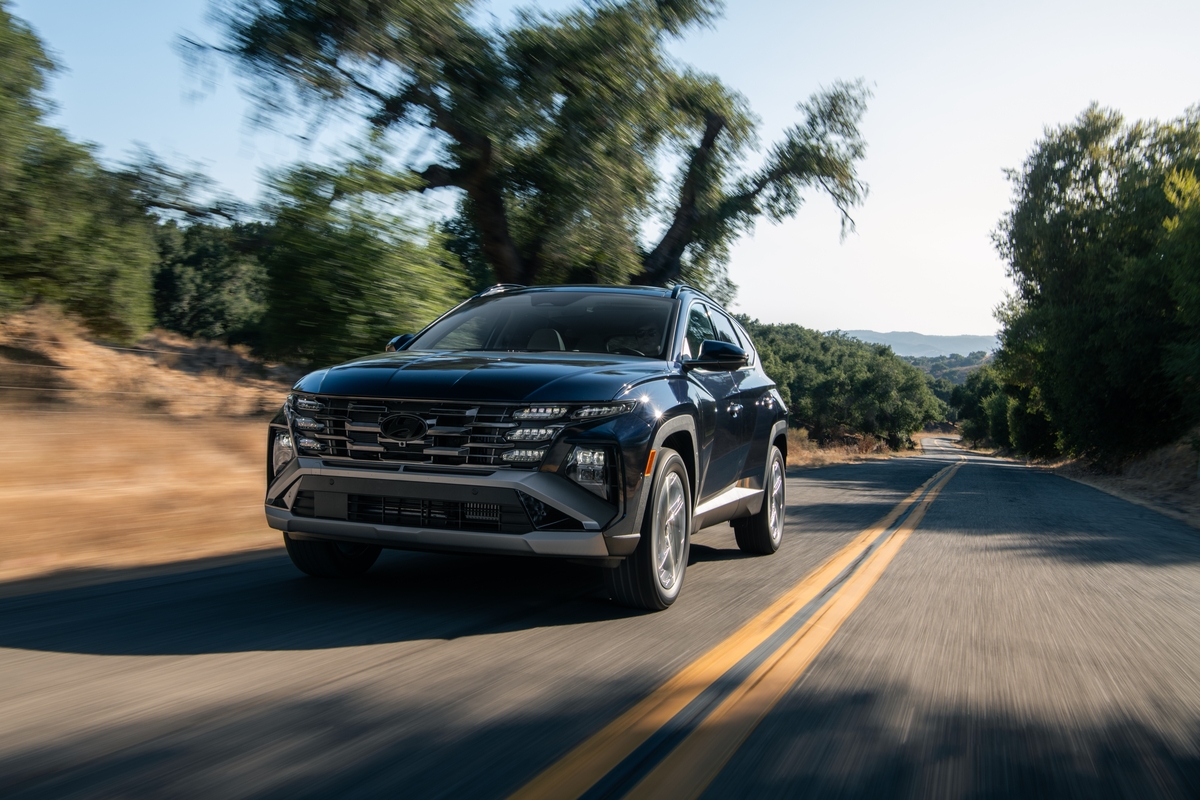
Hyundai Motor, South Korea’s largest automaker, is making a high-stakes bet that a new electric sedan built specifically for Chinese consumers can help reverse nearly a decade of declining sales in the world’s largest automotive market.
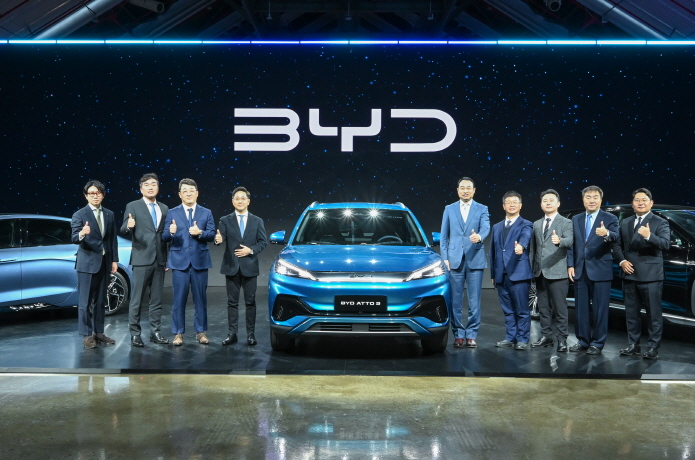
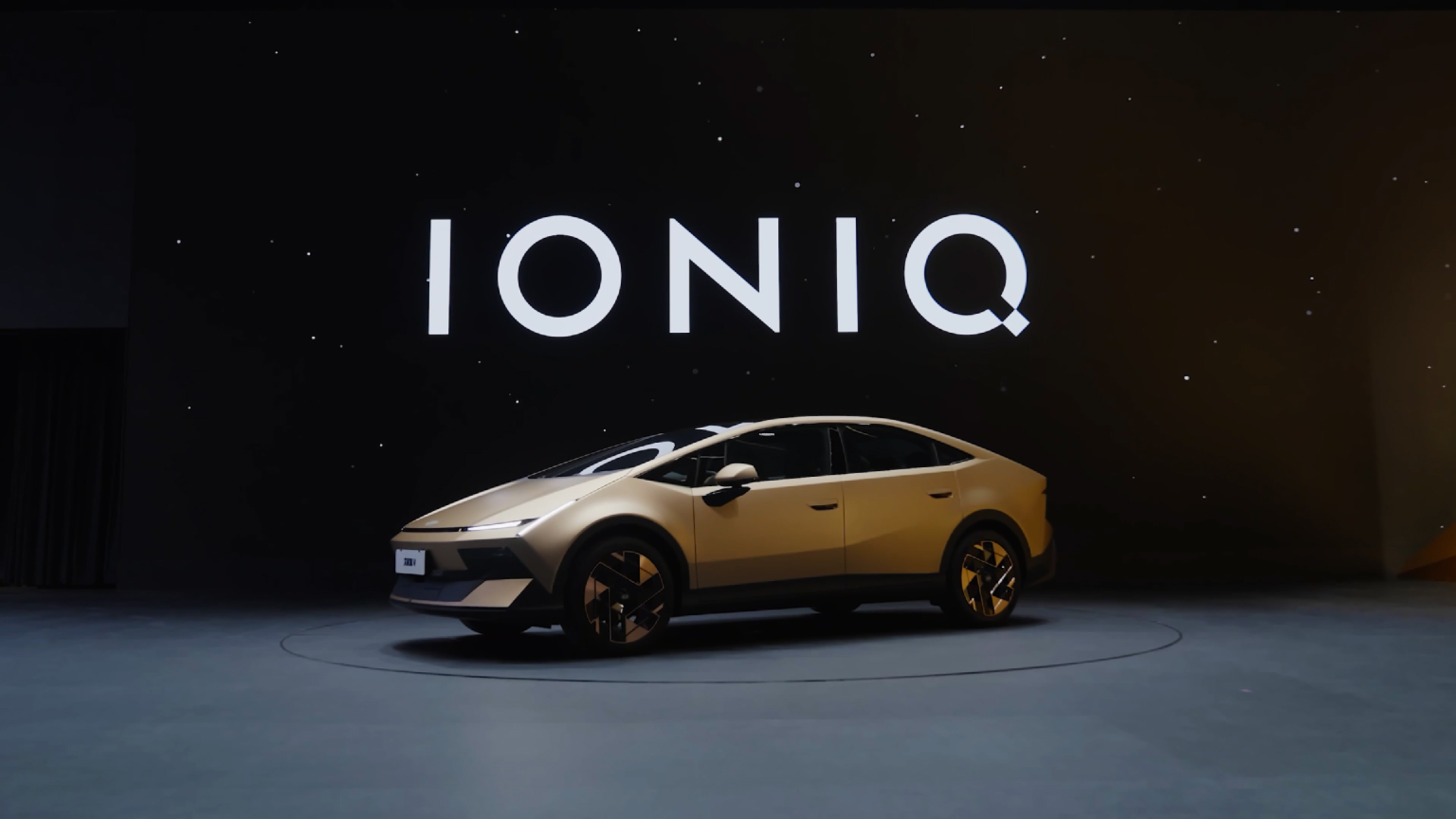
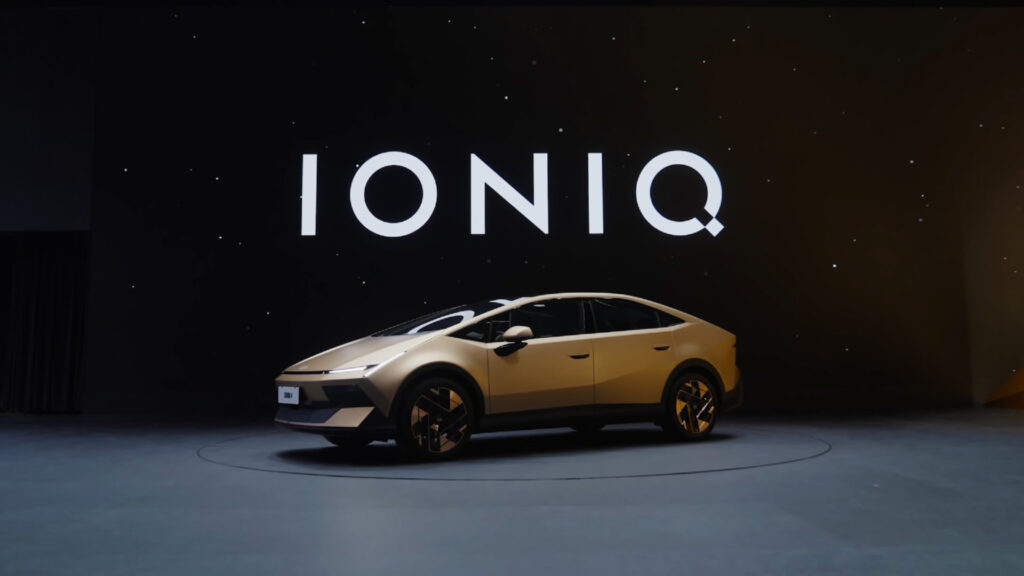
The company’s upcoming IONIQ V, scheduled to launch in China later this year, is more than just another electric vehicle. It represents Hyundai’s most aggressive effort yet to localize its products in a market increasingly dominated by domestic manufacturers such as BYD, Xiaomi and Geely.
Regulatory filings released by China’s Ministry of Industry and Information Technology show the IONIQ V will offer up to 400 miles of driving range under China’s CLTC testing standard. The sedan will be available with two lithium iron phosphate battery options, including a long-range version powered by a 66.8-kWh battery and a 225-horsepower electric motor.
But the vehicle’s technical specifications tell only part of the story.
Unlike many foreign-branded vehicles sold in China, the IONIQ V relies heavily on Chinese technology partners. Its battery is supplied by CATL, the world’s largest EV battery manufacturer. Its advanced driver-assistance system was developed with Chinese autonomous-driving company Momenta and supports Level 2+ capabilities. The vehicle’s artificial-intelligence functions integrate large language models from both Baidu and ByteDance, two of China’s biggest technology companies.
The strategy reflects a growing reality for global automakers operating in China: competing against local brands increasingly requires adopting local technology ecosystems.
For Hyundai, the challenge is particularly urgent.
The company’s Chinese joint venture, Beijing Hyundai, sold roughly 1.14 million vehicles in China in 2016, making it one of the country’s most successful foreign automotive brands. Since then, however, sales have steadily eroded as domestic manufacturers surged ahead in electric vehicles, software integration and intelligent driving systems.
Annual sales fell to 257,000 vehicles in 2023 and dropped further to 154,000 in 2024. Although volumes recovered modestly to about 210,000 units last year, Beijing Hyundai remains a fraction of its former size in a market that has become increasingly difficult for foreign automakers to navigate.
The IONIQ V is expected to play a central role in Hyundai’s turnaround effort.
According to company plans, the sedan will be the first of 20 new models Beijing Hyundai intends to introduce over the next five years. The lineup will expand beyond traditional battery-electric vehicles to include extended-range electric vehicles, a segment that has gained significant momentum among Chinese consumers.
The company is targeting annual sales of 500,000 vehicles in China by 2030, including both domestic sales and exports.
Whether the IONIQ V can help achieve that goal remains uncertain. What is clear is that Hyundai’s latest China strategy looks markedly different from the one that once made it a market leader. Instead of relying on global platforms and imported technologies, the South Korean automaker is increasingly turning to Chinese suppliers, Chinese software developers and Chinese AI companies in an effort to regain relevance in a market that is setting the pace for the global electric-vehicle industry.