Daedong Mobility is stepping into Indonesia’s massive motorcycle market, positioning itself for growth in one of the world’s largest and fastest-evolving two-wheeler economies as competition in electric mobility intensifies.
The move marks a strategic pivot beyond South Korea, where demand has shown signs of saturation. Indonesia, the world’s third-largest two-wheeler market, offers scale and growth potential, with more than five million motorcycles sold annually and a rapidly expanding ecosystem for ride-hailing and delivery services.
At the center of that ecosystem is the so-called “ojol” segment—app-based motorcycle taxis that serve as a backbone of urban transport and last-mile logistics. The sector is increasingly seen as a key entry point for electric vehicles, as operators seek to lower fuel costs and improve efficiency.
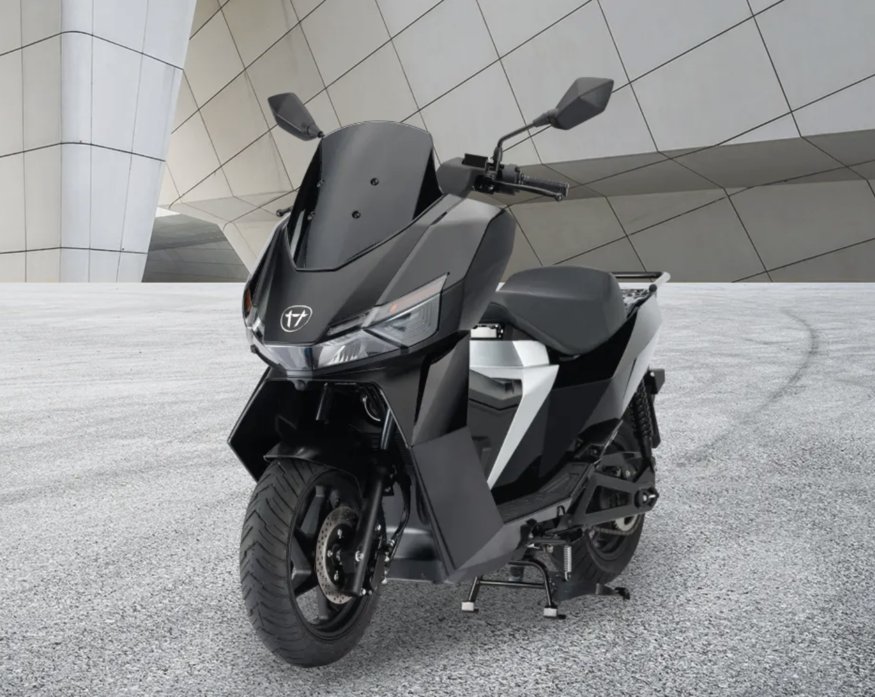
Daedong Mobility has entered the market through a partnership with PT DAT Mobility System, introducing its GS100 Lite electric scooter aimed at commercial riders. The model is designed for delivery and ride-hailing drivers, a segment where utilization rates are high and operating costs are closely scrutinized.
The GS100 Lite features a 96V 30Ah battery with a range of roughly 100 kilometers per charge and incorporates a battery-swapping system to reduce downtime. A 6kW mid-drive motor delivers performance comparable to 160cc gasoline-powered motorcycles, aligning it with the most commonly used vehicles in Indonesia.
The expansion comes as Daedong Mobility looks to offset weakening domestic performance. The company has faced declining electric scooter sales and low factory utilization in recent periods, prompting a search for overseas markets that can support both demand recovery and production scale.
Competition, however, is expected to be intense. Chinese manufacturers have already established a strong foothold across Southeast Asia with aggressively priced electric models. Rather than competing on price alone, Daedong Mobility is emphasizing durability and quality, supported by a higher share of domestically sourced components such as motors and batteries.
Beyond hardware, the company is targeting platform-based fleet operators with integrated solutions. It is preparing leasing programs and fleet management systems for major regional players such as Gojek and Grab, aiming to reduce upfront costs for drivers while improving operational efficiency through real-time monitoring of vehicle location and battery status.
Indonesia’s policy environment is also shifting in favor of electrification. Government efforts to reduce fuel imports and curb emissions are accelerating the adoption of electric motorcycles, particularly in commercial transport, creating an opening for foreign manufacturers with scalable technology.
For Daedong Mobility, the challenge will be translating technical capability into sustained market share in a highly competitive landscape. Its push into Indonesia underscores a broader trend among South Korean manufacturers, which are increasingly tying growth strategies to emerging markets where electrification is still in its early stages.