South Korea’s reputation as a haven for affordable coffee, quick meals and budget-friendly dining is coming under pressure as some of the country’s best-known low-cost restaurant chains raise prices in response to mounting cost increases across the food industry.
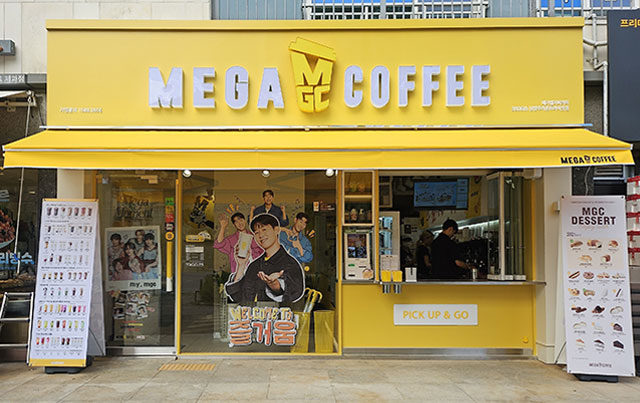
The latest increases are coming not from premium brands but from companies that built their businesses around affordability. TheBorn Korea, a South Korean restaurant franchising company founded by celebrity entrepreneur Paik Jong-won, said it will raise prices on selected menu items across 11 of its restaurant brands beginning June 9. Mega MGC Coffee, one of South Korea’s largest discount coffee chains, will also increase prices on several popular beverages later this month.
The timing highlights a broader challenge facing South Korea’s consumer economy. For years, intense competition among restaurant and beverage chains helped keep everyday dining relatively inexpensive despite rising housing costs and other household expenses. Consumers became accustomed to finding coffee for little more than a dollar and full meals at prices that often undercut those in other developed economies.
That model is becoming increasingly difficult to sustain.
TheBorn Korea said it had absorbed higher costs internally for as long as possible but was ultimately forced to adjust prices because of rising raw-material costs, logistics expenses and exchange-rate pressures. The company cited global supply uncertainty and higher operating costs as key factors behind the decision.
Mega MGC Coffee pointed to rising prices for freeze-dried coffee, a major ingredient used in its popular value-oriented products. The company said maintaining product quality and franchise profitability left little room to avoid adjustments.
South Korea is particularly exposed to fluctuations in global commodity markets because many food-related inputs, including coffee beans, wheat, cheese and edible oils, rely heavily on imports. A weaker Korean won raises costs throughout the supply chain, creating pressure that eventually reaches restaurants, cafes and consumers.
The latest increases also reflect a wider trend across the country’s food-service sector. Major burger chains, coffee franchises and fast-food operators have raised prices this year, while some companies have chosen a different approach by reducing portion sizes rather than increasing menu prices outright.
What makes the latest round of increases notable is the type of businesses involved. Budget chains have traditionally served as a buffer for consumers during periods of economic uncertainty, attracting customers who trade down from more expensive restaurants. When those brands begin raising prices as well, it suggests that cost pressures are becoming difficult to absorb anywhere in the market.
The developments offer a reminder that inflation’s effects often reach consumers gradually. In South Korea, the pressure is no longer limited to imported goods or premium dining. It is increasingly appearing in the inexpensive coffees, pizzas and noodle dishes that helped define the country’s highly competitive budget-food culture.
For consumers, the price adjustments may appear modest. For the industry, however, they signal that one of South Korea’s most resilient business models—the ability to offer cheap meals in a high-cost economy—is facing a growing test.