South Korean cinema is making a notable return to one of China’s most influential cultural stages, a development that industry observers see as another sign of improving relations between Seoul and Beijing after years of uneven cultural exchanges.
Four South Korean films have been selected for this year’s Shanghai International Film Festival, giving Korean filmmakers one of the strongest showings among foreign participants at China’s premier international film event.
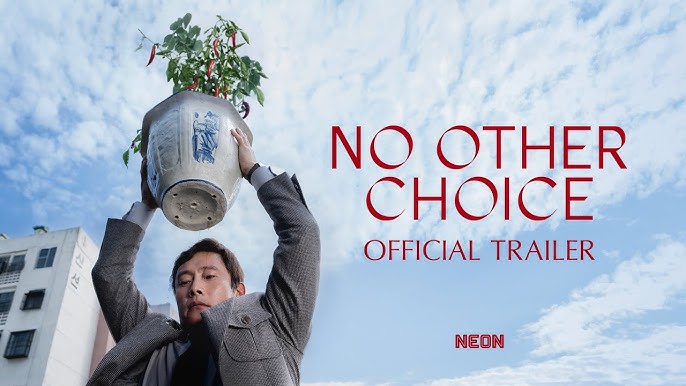
The selections include some of South Korea’s most celebrated directors. Park Chan-wook’s latest feature, No Other Choice, and Hong Sang-soo’s The Day She Returns will both screen in the festival’s prestigious “New Films by Master Directors” section. Yoon Ga-eun’s The Owner of the World and Jang Hang-jun’s The Man Living With the King were selected for the “Asian Films of the Year” program.
While South Korean films secured a visible presence across multiple sections, Japanese productions appeared largely absent from the published lineup. Organizers are also reportedly ending “Japanese Film Week,” a long-running program that had been part of the festival since 2006.
The contrast is drawing attention because it comes as China’s cultural engagement with neighboring countries increasingly reflects broader diplomatic trends.
For South Korea, the strong representation at Shanghai carries significance beyond cinema.
For much of the past decade, Korean entertainment companies have faced periodic restrictions and uncertainty in China following diplomatic tensions surrounding Seoul’s deployment of the U.S. THAAD missile-defense system in 2016. Although Beijing never formally announced a comprehensive ban on Korean cultural content, many Korean artists and entertainment companies experienced reduced access to the Chinese market.
In recent years, however, signs of normalization have gradually emerged.
K-pop performances have returned to China on a limited basis, Korean consumer brands have regained visibility, and cultural exchanges have become more active. The prominent inclusion of Korean films at the Shanghai festival is likely to reinforce expectations that entertainment ties between the two countries are continuing to improve.
The timing is particularly important for South Korea’s film industry.
China remains one of the world’s largest movie markets and has long been viewed by Korean studios as a potentially important source of overseas revenue. Greater access to Chinese audiences could provide new growth opportunities at a time when South Korea’s domestic theatrical market is still recovering from structural challenges created by streaming platforms and changing viewing habits.
The Shanghai International Film Festival, founded in 1993, is China’s only competitive international film festival accredited by the International Federation of Film Producers Associations (FIAPF). A strong presence at the event often serves as an indicator of a country’s cultural standing within China’s entertainment industry.
Whether the latest festival selections translate into broader commercial opportunities remains uncertain. Yet the prominence of South Korean films in this year’s lineup suggests that, at least in the cultural arena, relations between Seoul and Beijing may be entering a more cooperative phase.
For South Korea’s entertainment industry, that could prove to be one of the most significant developments beyond the festival screen itself.