South Korea’s cultural exports have long generated global enthusiasm. Now they are generating record amounts of tourism spending.
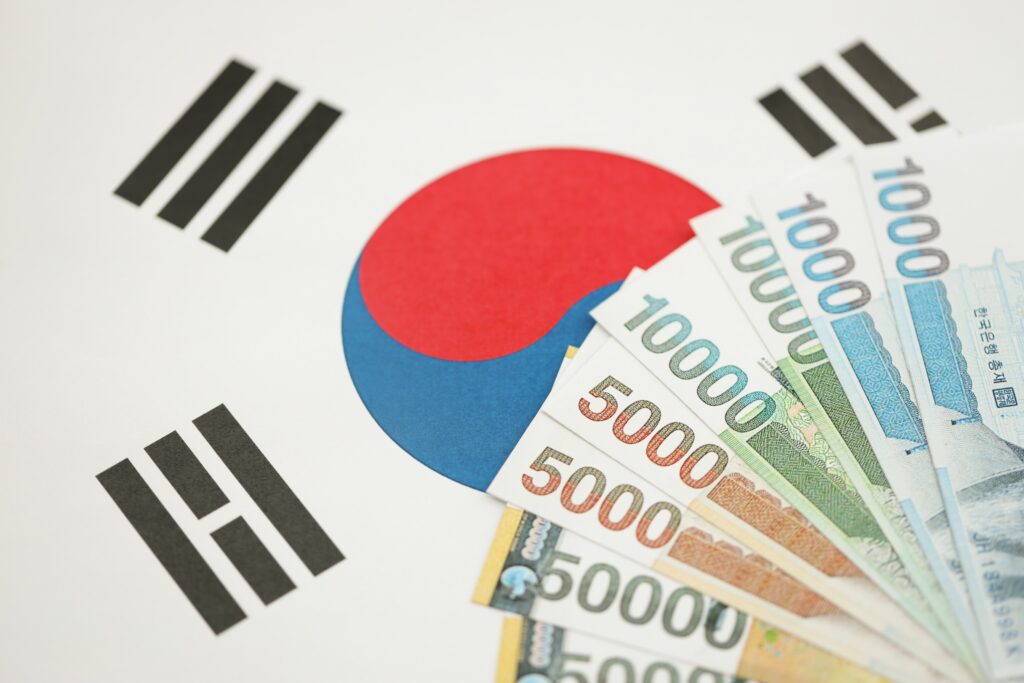
Foreign visitors spent an unprecedented 1.33 trillion won, or roughly $960 million, on Korea-related cultural activities in April, according to data released by the Korea Tourism Organization. The figure marked the highest monthly total on record, rising 21.7% from March and 54.6% from a year earlier.
The surge offers one of the clearest signs yet that the Korean Wave, or Hallyu, has evolved from a soft-power phenomenon into a measurable economic driver.
For years, South Korea’s global influence was associated with its manufacturing prowess, led by exports of semiconductors, automobiles and consumer electronics. Increasingly, however, another export category is reshaping the country’s economy: culture.
K-pop concerts, visits to entertainment agencies, Korean beauty experiences and culinary tourism are encouraging international fans to travel to South Korea—and spend once they arrive.
The latest figures coincided with renewed activity by BTS, whose comeback helped reignite global interest in visiting the country. The group’s album release and performances in Seoul contributed to stronger spending in March, while the launch of its world tour in Goyang helped push April’s cultural expenditures to a new high.
The data underscore how entertainment consumption is translating into broader economic activity. Shopping accounted for the largest share of Hallyu-related spending in April, representing 38.4% of the total. Beauty and wellness followed at 22.0%, while fashion represented 14.0%. Lifestyle food and beverage purchases made up 12.2%, and traditional Korean cuisine accounted for another 10.2%.
In other words, tourists aren’t just buying concert tickets. They are purchasing cosmetics, dining at Korean restaurants, enrolling in dance classes and visiting filming locations made famous by Korean dramas.
The Korea Tourism Organization’s activity data suggest that entertainment remains the primary draw. Concert attendance generated more than 40,000 mentions among surveyed visitors, making it the most frequently cited experience.
Fan activities known in Korea as deokjil—a term describing dedicated support for favorite celebrities—recorded more than 13,000 mentions. Dance classes attracted roughly 5,500 mentions, while visits to entertainment companies such as HYBE, SM Entertainment and JYP Entertainment approached 4,900 mentions. Locations featured in Korean dramas and films generated nearly 4,800 mentions.
The trend highlights a broader shift in the global entertainment economy.
Hollywood has traditionally exported content while relying on foreign markets primarily for ticket sales. South Korea, by contrast, is increasingly exporting cultural experiences that encourage consumers to travel directly to the source.
For South Korea, the implications extend beyond tourism.
As the country grapples with slowing population growth and intensifying competition in traditional export sectors, Hallyu is emerging as an alternative engine of economic activity—one capable of supporting retailers, restaurants, cosmetics brands and local businesses alongside entertainment companies.
Whether the momentum can be sustained remains uncertain. Cultural trends can shift quickly, and global competition for attention continues to intensify.
For now, however, millions of international fans appear willing to convert digital fandom into real-world spending.
What began as a global appetite for Korean music and television is increasingly becoming a reason to board a plane.
And for South Korea, that transformation may represent one of its most valuable exports yet.