As Wall Street remains fixated on Nvidia Corp. and the frantic race to build artificial intelligence infrastructure, global institutional capital is quietly shifting to another critical bottleneck in the tech supply chain: South Korea’s memory-chip industry.
Foreign investors poured more than $1.7 billion into shares of Samsung Electronics Co. and SK Hynix Inc. over just three trading sessions, signaling a robust return of confidence to the two companies that effectively control the global memory market. The aggressive buying spree comes as Wall Street and domestic analysts aggressively lift price targets, wagering that the specialized memory chips required to power AI data centers will remain in short supply for much longer than previously anticipated.
High-bandwidth memory, or HBM, has emerged as one of the most fiercely contested components in the technology sector. These advanced chips are stacked vertically to allow AI processors to move staggering amounts of data at lightning speed, making them indispensable for training large language models. SK Hynix, currently a primary supplier of HBM to Nvidia, and Samsung Electronics have consequently been elevated from cyclical commodity manufacturers to critical strategic choke points in the global AI buildout.
The recent trading data underscores this shifting sentiment. Foreign inflows targeted both players heavily, with international funds acquiring approximately $320 million worth of Samsung shares and $290 million of SK Hynix stock during the three-day window. The capital injection triggered a sharp rally, sending Samsung up 4.5% and pushing SK Hynix advanced more than 6% in the latest session.
Market observers note that the demand catalyst is expanding beyond the handful of hyper-scaler cloud giants building massive data centers. The upcoming integration of on-device AI features into commercial laptops, smartphones, and edge devices is expected to spark a broader demand cycle for enterprise solid-state drives (SSDs) and low-power mobile memory alongside premium HBM.
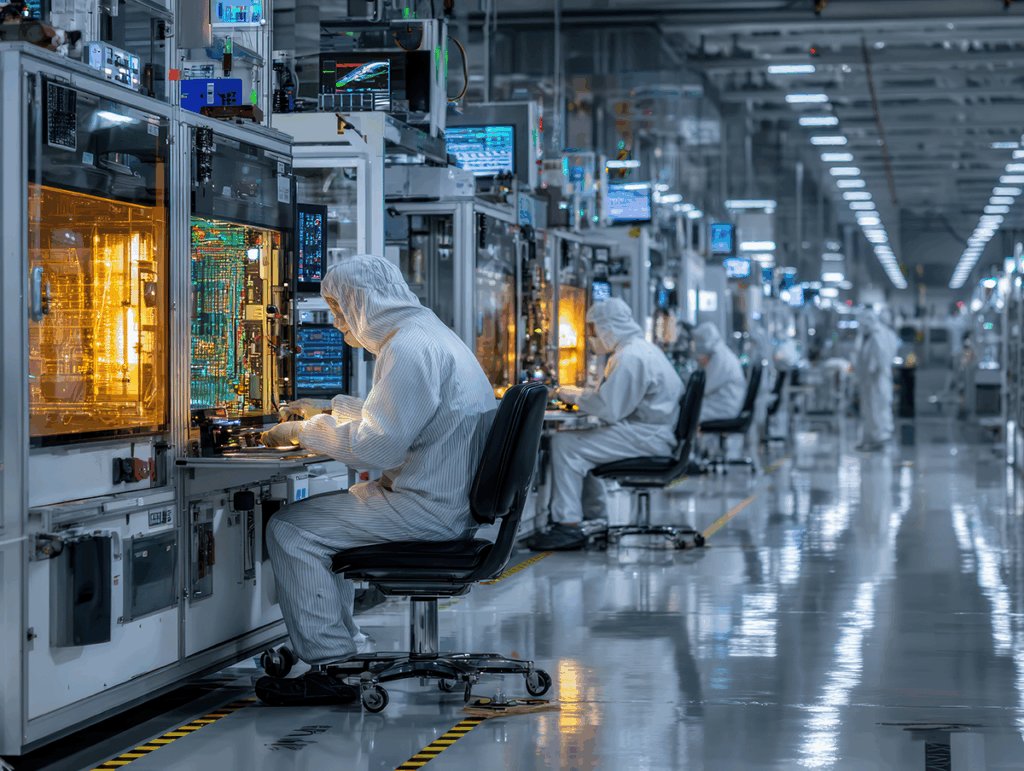
Compounding the bullish outlook is the physical reality of supply constraints. Expanding the fabrication lines for next-generation memory is highly capital-intensive and technically complex, meaning the industry cannot easily flood the market with supply.
With demand soaring and capacity tight, global investors are betting that while chip designers like Nvidia capture the headlines, the next wave of substantial financial gains from the AI revolution will flow directly to the South Korean manufacturing powerhouses supplying the essential memory infrastructure.