
Foreign investors dumped a record $29 billion worth of South Korean stocks in May, triggering headlines about the largest monthly selloff in the history of the country’s benchmark KOSPI index. Yet beneath the headline number, a different story is emerging.
The money is not leaving South Korea. It is moving.
According to the Korea Exchange, foreign investors sold a net $29 billion worth of KOSPI shares through May 29, surpassing the previous monthly record set in March. The selling continued for 16 consecutive trading sessions, the longest streak since the aftermath of the global financial crisis in 2009.
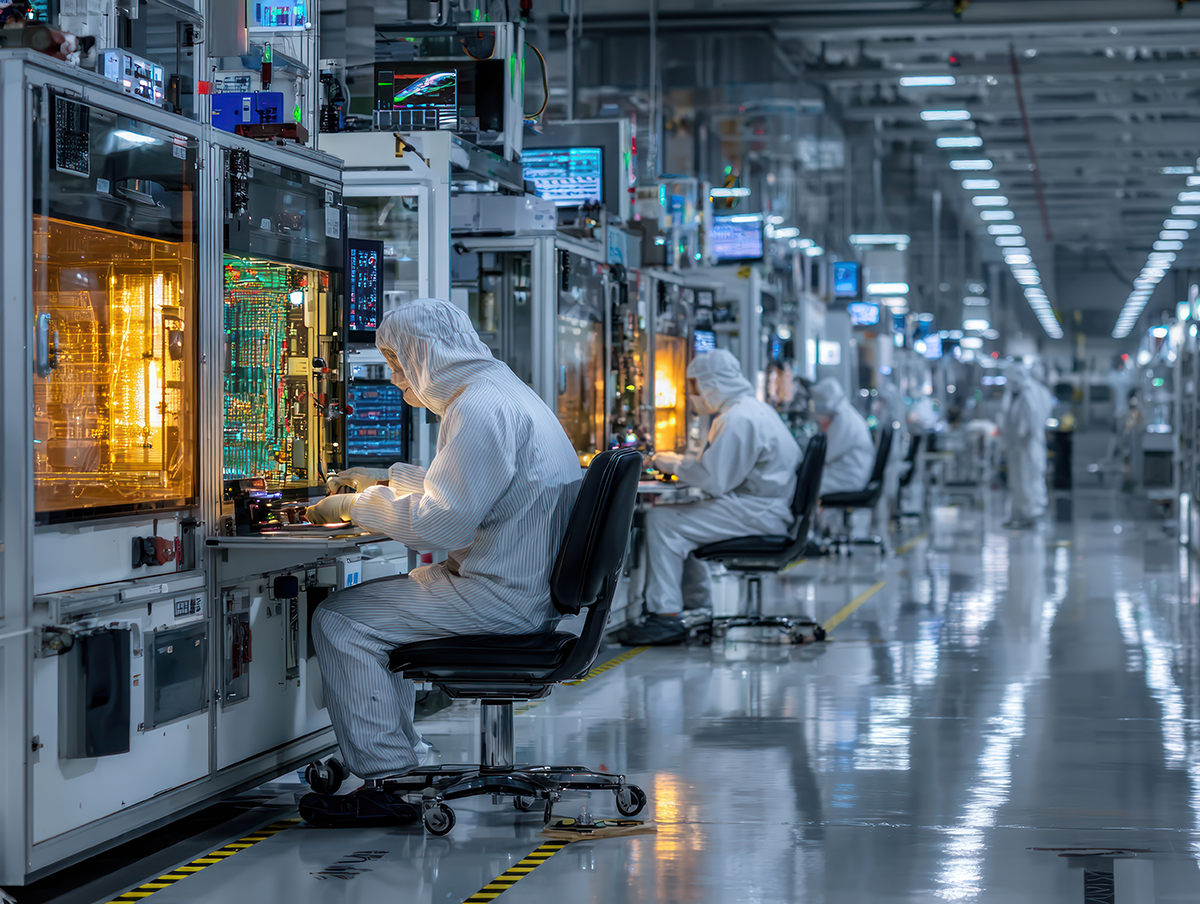
At first glance, the scale of the outflow appears alarming for a country that has become one of the biggest beneficiaries of the global artificial-intelligence investment boom. South Korea sits at the center of the world’s memory-chip supply chain, supplying critical components that power AI servers and data centers across the United States and beyond.
A closer look at the numbers, however, suggests something very different from a broad retreat.
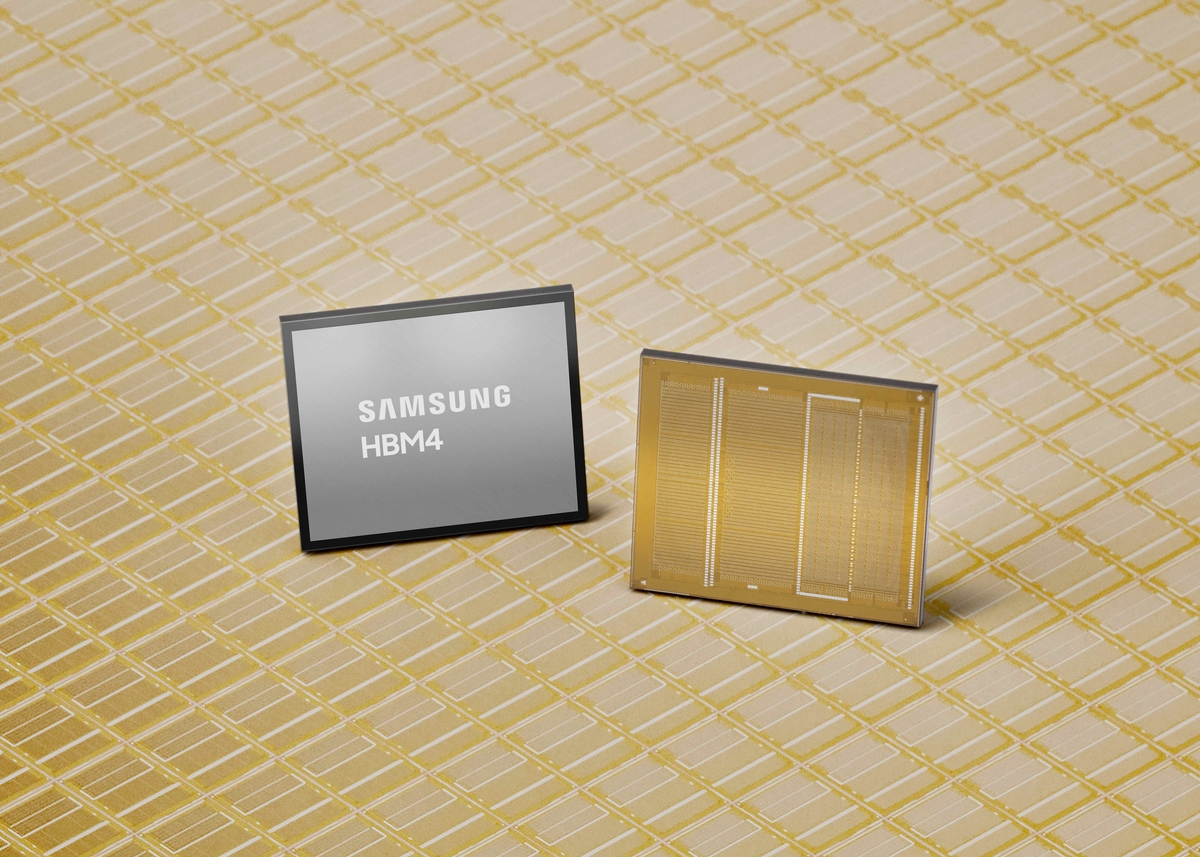
More than 80% of the foreign selling was concentrated in just two companies: Samsung Electronics, South Korea’s largest corporation and the world’s biggest memory-chip producer, and SK Hynix, the world’s second-largest memory-chip manufacturer and a major supplier of advanced AI memory chips.
Foreign investors sold $13 billion worth of SK Hynix shares and $10 billion worth of Samsung Electronics shares during the month. Combined, the two companies accounted for roughly $24 billion of the total selloff.
The timing is hardly surprising.
Both stocks have been among the biggest winners of the AI era. Massive investment in data centers by major technology companies has fueled unprecedented demand for high-bandwidth memory chips, sending profits and share prices sharply higher. Samsung Electronics has climbed 164% this year, while SK Hynix has surged 258%, far outpacing the broader market.
For global investors, the question is no longer whether AI will drive semiconductor demand. The question is how much of that optimism is already reflected in stock prices.
Rather than abandoning Korea, many investors appear to be locking in gains from one of the market’s most crowded trades.
Evidence of that can be found on the KOSDAQ, South Korea’s technology-focused stock market that serves a role similar to Nasdaq in the United States.
Foreign investors purchased a net $2 billion worth of KOSDAQ shares in May, the largest monthly inflow since the exchange was established.
The buying was concentrated in companies tied to sectors often viewed as candidates for the next wave of technological growth. Among the most heavily purchased stocks were FADU, a semiconductor technology company, EcoPro BM, a battery-materials manufacturer, ABL Bio, a biotechnology developer, and EO Technics, a supplier of advanced industrial equipment.
The shift coincides with growing enthusiasm surrounding South Korea’s newly launched National Growth Fund, a government-backed investment program designed to channel public capital into innovative domestic businesses. Investors expect a significant portion of the funding to flow toward emerging technology sectors, particularly those listed on the KOSDAQ.
Investment strategists say the growing appeal of biotechnology, robotics and aerospace companies reflects expectations that government-backed funding will increasingly support emerging industries. That outlook has helped attract investor attention to growth stocks outside South Korea’s dominant semiconductor sector.
The move reflects a broader question increasingly being asked across global markets. If the first phase of the AI investment boom belonged to semiconductor companies, who will benefit from the second phase?
In South Korea, investors appear to be searching for answers.
That does not mean the semiconductor story is over. Analysts note that foreign institutional portfolios remain heavily concentrated in Samsung Electronics and SK Hynix, and the smaller size of the KOSDAQ market makes it difficult for large global funds to deploy substantial amounts of capital over long periods.