A growing backlash against Starbucks in South Korea over a promotion tied to one of the country’s most politically sensitive historical anniversaries is evolving beyond a consumer controversy, with South Korean officials now signaling that the dispute could become an opportunity to increase interest in beverages made from domestic agricultural products.
The controversy erupted after Starbucks Korea faced criticism over an event referred to online as “Tank Day,” which critics argued appeared to mock the legacy of the May 18 Gwangju Democratic Uprising, one of the defining moments in South Korea’s modern democratic history.
The 1980 uprising, during which civilians were killed during a military crackdown against pro-democracy demonstrators in the southwestern city of Gwangju, remains a deeply emotional symbol of democratization and state violence in South Korea.
As criticism intensified online, the issue spread into government agencies, labor circles and political discussions, underscoring how historical symbolism can rapidly become a reputational risk for multinational brands operating in South Korea.
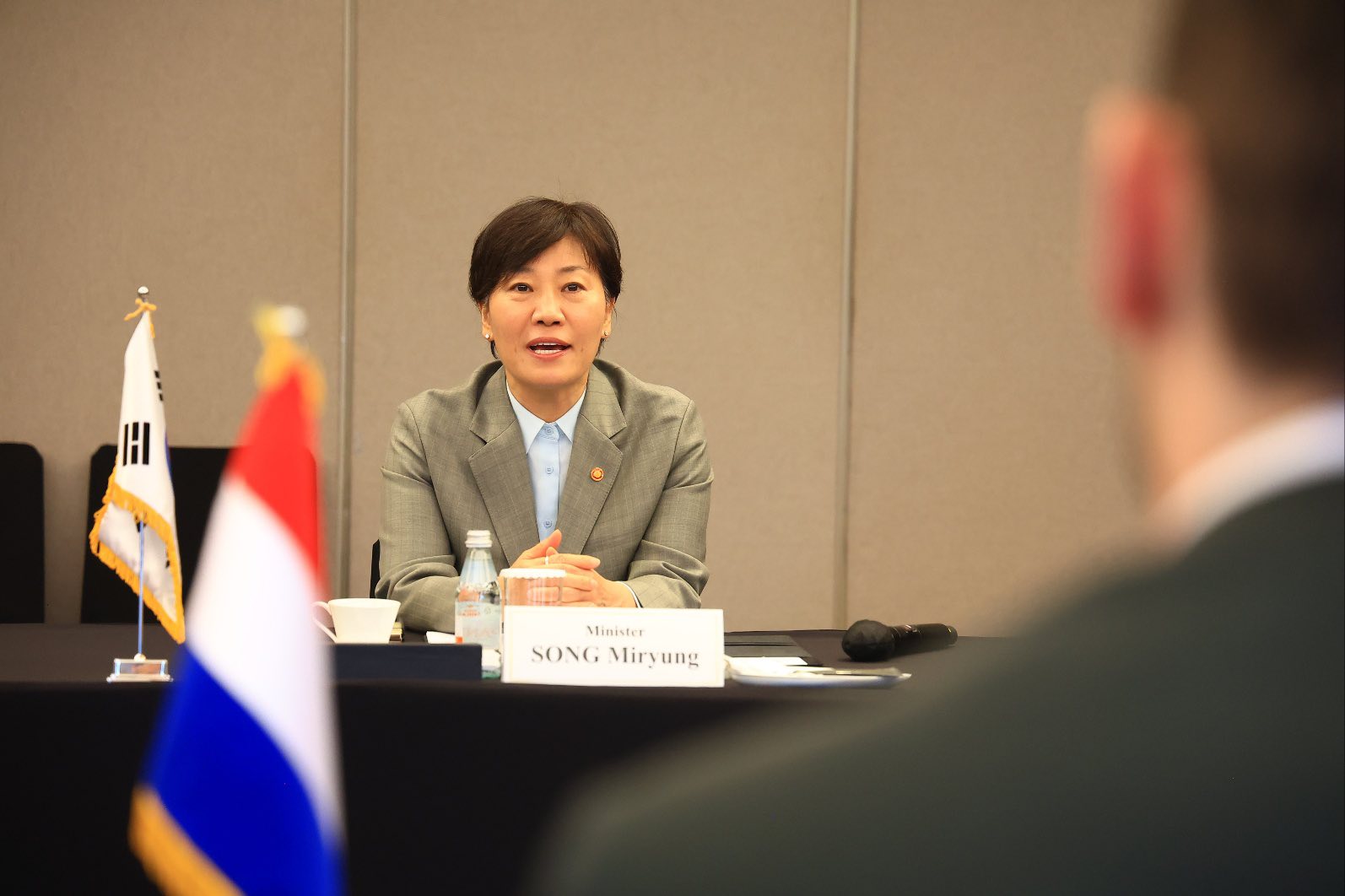
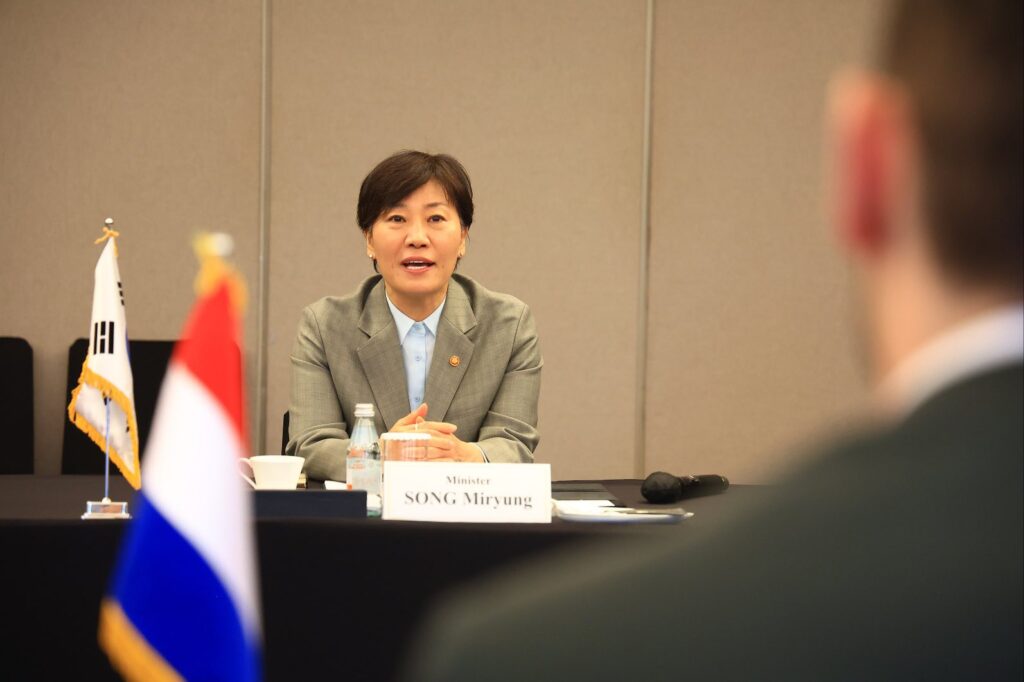
South Korean Agriculture Minister Song Mi-ryung addressed the controversy during a recent YouTube interview, describing the situation as “deeply regrettable” while suggesting that consumers could take greater interest in tea and beverages made from Korean agricultural ingredients rather than focusing solely on imported coffee products.
“We need to look at these issues seriously as a society,” Song said. “This could become an opportunity to increase awareness of beverages made from domestic agricultural products.”
The minister did not endorse a formal boycott against Starbucks and stopped short of calling for consumers to avoid foreign coffee brands altogether.
Instead, her remarks reflected a more indirect approach often seen in South Korea’s public policy environment: while the government generally avoids directly restricting individual consumer choice, officials can still shape public discussion and encourage interest in domestic industries through public messaging.
South Korea’s Ministry of Agriculture, Food and Rural Affairs later clarified that it had no plans to formally participate in any boycott movement. However, the ministry acknowledged growing public attention toward locally sourced beverages and Korean agricultural products.
The ministry has recently expanded promotion of traditional Korean tea products made from ingredients such as yuja citron, omija berries, green tea and grain blends as part of broader efforts to strengthen domestic agricultural consumption and expand the overseas image of “K-food.”
The controversy also arrives as South Korea’s food-export industry continues to grow rapidly. According to the ministry, South Korean food exports exceeded $10 billion for the first time last year, highlighting how Korean consumer culture is increasingly expanding beyond entertainment into agriculture and food products.
For multinational consumer brands, the Starbucks controversy has become another reminder that in South Korea, issues tied to democratization, historical trauma and national identity can quickly move beyond online criticism and influence consumer sentiment, public-sector reactions and broader cultural debate.