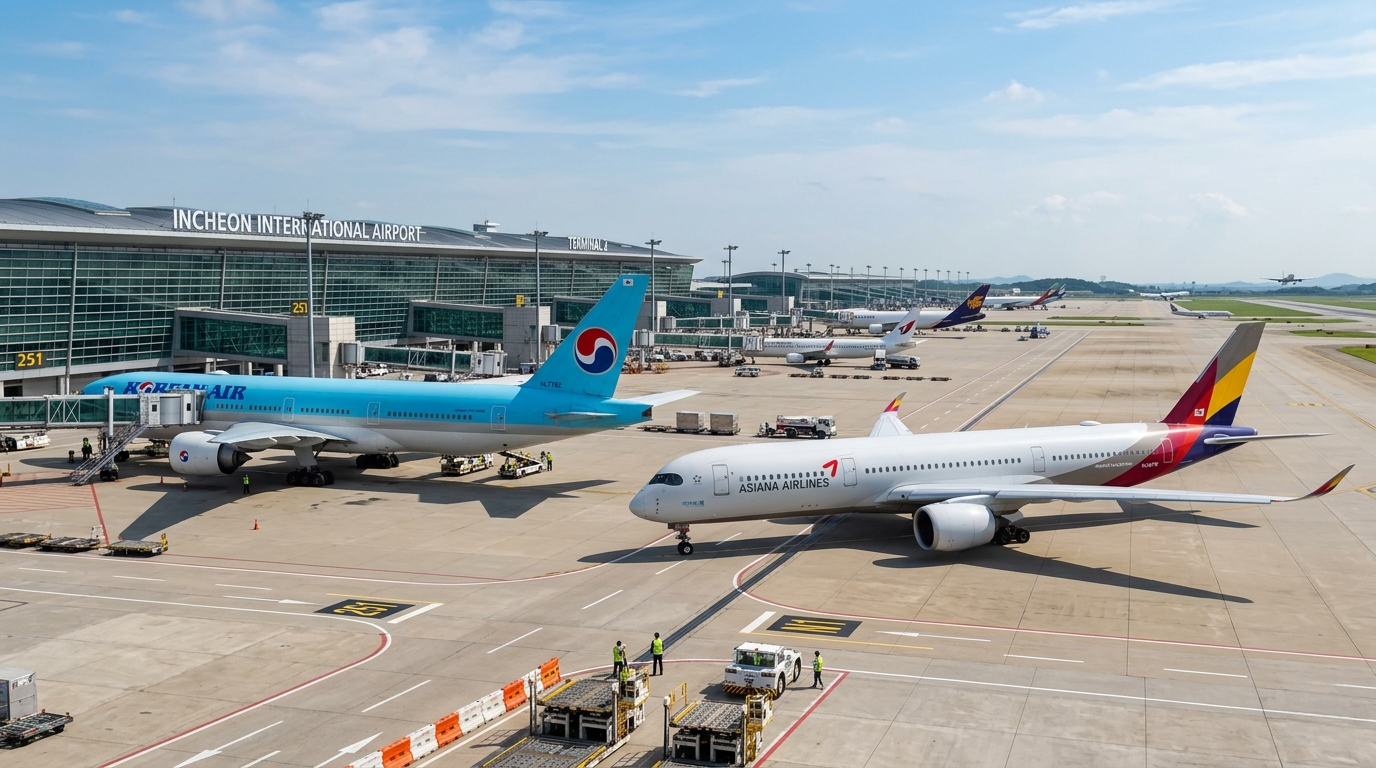

South Korean travelers may see some relief in international airfare costs this summer as airlines prepare to lower fuel surcharges following a decline in global jet fuel prices tied to easing Middle East tensions.
According to industry officials on May 18, fuel surcharges on international flights issued in June will fall to level 27 from level 33 in May, marking the first significant reduction in months.
The adjustment comes as benchmark jet fuel prices retreat from earlier highs fueled by concerns over supply disruptions in the Middle East. The average price of Singapore jet fuel—a key regional benchmark—fell to 410.02 cents per gallon between April 16 and May 15, down sharply from 511.21 cents during the previous pricing period from March 16 to April 15.
Industry analysts said the decline reflects temporary stabilization in global oil markets as fears surrounding Middle East shipping routes eased. Expectations of possible negotiations between the U.S. and Iran, along with smoother operations through the Strait of Hormuz, helped calm concerns over supply interruptions.
Still, uncertainty remains elevated.
Market watchers caution that geopolitical risks continue to cloud the outlook for crude prices after U.S. President Donald Trump’s recent visit to China failed to produce a clear breakthrough regarding Iran-related tensions.
Airlines typically revise fuel surcharges each month to reflect fluctuations in energy prices, passing part of the additional operating costs on to passengers through ticket fees.
South Korea’s flagship carrier Korean Air currently charges international fuel surcharges ranging from about $55 to $413 for one-way flights depending on route distance. Beginning with June departures, the surcharge range is expected to decline to roughly $45 to $334, representing a maximum reduction of about $83 per ticket.
Short-haul routes including Fukuoka, Shenyang, Qingdao and Dalian are expected to see lower-end surcharge rates, while long-haul destinations such as Los Angeles, New York, Dallas, Atlanta and Toronto will remain subject to the highest surcharge tiers.
The reduction could provide a modest boost to overseas travel demand ahead of the summer vacation season, as consumers respond to slightly lower ticket prices after months of elevated travel costs.
Industry officials said easing surcharge burdens may help sustain the recovery in outbound international travel, particularly as airlines continue rebuilding capacity on major global routes.