
South Korea’s largest corporations are increasingly turning back to veteran insiders to lead their businesses, signaling a broader shift in management philosophy as the country’s export-driven economy faces mounting geopolitical pressure, technological disruption and slowing global growth.
According to a report released Tuesday by corporate research firm Leaders Index, 84.5% of chief executives at South Korea’s top 500 companies by revenue were promoted internally this year, the highest proportion recorded since 2023. The study analyzed 370 companies that submitted annual business reports this year.
The average age of CEOs also climbed back to 60.0 years, up from 59.1 in 2023, reversing an earlier trend in which major South Korean corporations had sought younger leadership teams.
The change reflects how many of the country’s largest conglomerates — including major players in semiconductors, automobiles, batteries and heavy industry — are increasingly prioritizing institutional experience and operational stability over aggressive leadership turnover.
Unlike the U.S. corporate sector, where outside executive hires and high-profile turnaround CEOs are relatively common, South Korea’s conglomerates have historically favored leaders who spent decades inside the organization. That preference now appears to be strengthening again as companies navigate rising uncertainty tied to U.S.-China tensions, artificial intelligence competition, supply-chain realignment and weakening global demand.
The number of total CEOs at surveyed companies fell to 510 this year from 545 in 2023. Among 58 newly appointed CEOs, 47 came from within their own organizations.
The leadership shift is also reshaping what kind of executives rise to the top.
Executives with planning and strategy backgrounds accounted for 42.6% of CEOs this year, up sharply from 35.6% three years earlier. Meanwhile, the share of leaders with research and development experience and manufacturing backgrounds increased modestly, suggesting South Korean companies are placing greater value on technical and industrial expertise.
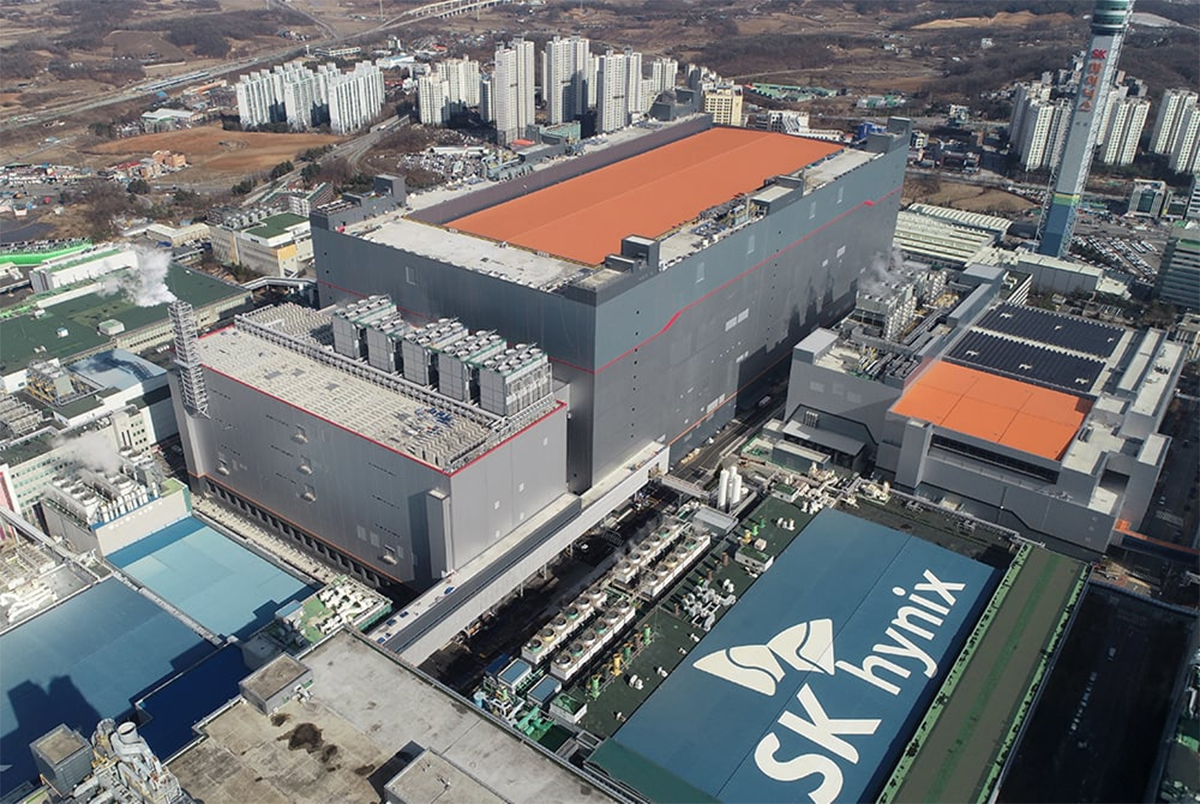
The trend comes as South Korea’s largest exporters face intensifying competition in sectors critical to the global economy. Samsung Electronics, the South Korean technology giant and one of the world’s largest semiconductor manufacturers, is navigating a costly race for AI chip dominance. Hyundai Motor Group, the country’s largest automaker, is expanding electric vehicle production amid slowing global EV demand and growing trade uncertainty. SK Group and LG Group are also restructuring battery and advanced manufacturing businesses after years of aggressive overseas investment.
Against that backdrop, companies appear increasingly reluctant to hand leadership to executives without deep organizational ties or operational experience.
At the same time, executives with traditional finance and sales backgrounds are losing influence. The proportion of finance-oriented CEOs declined to 18.8% this year, while sales and marketing executives fell to 8.2%, down from above 10% in recent years.
The data suggests South Korean corporations are increasingly viewing technological capability, long-term strategic planning and internal coordination as more critical than financial engineering or aggressive expansion strategies.
Female representation in corporate leadership remained limited despite a modest increase. The number of female CEOs rose to 14 this year from 12 over the previous three years, though women still account for only around 2% of CEOs at major South Korean companies.
For global investors, the shift offers another sign that South Korea’s corporate sector is entering a more defensive phase, one in which experience, internal trust networks and industrial expertise are being valued over generational change and rapid executive experimentation.