The economic fallout from rising Middle East tensions is beginning to reshape South Korea’s commercial vehicle market, as businesses facing higher fuel costs increasingly move away from diesel vans in favor of hybrid and electric models.
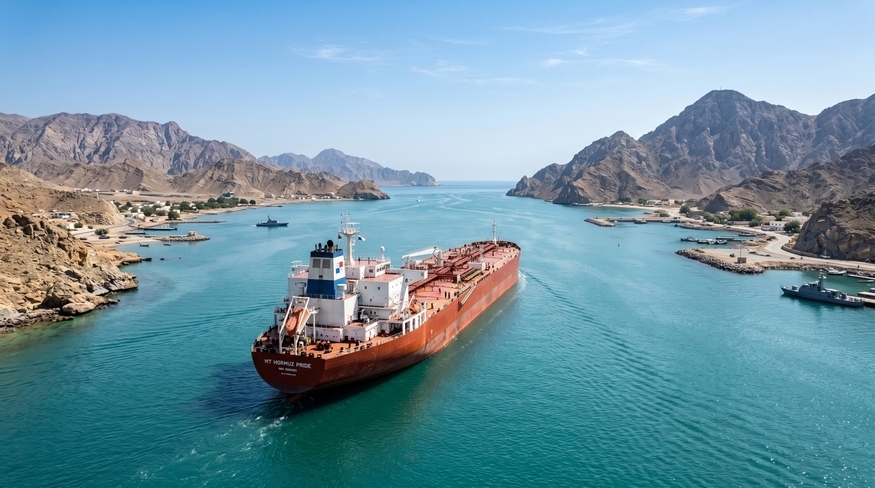
South Korea, the world’s fourth-largest crude oil importer, relies heavily on energy shipments passing through the Strait of Hormuz, making the country particularly vulnerable to oil price shocks tied to the Iran conflict. That pressure is now spilling into the transportation sector, where fuel costs and operating margins increasingly dictate purchasing decisions.
Hyundai Motor Company, the South Korean automaker behind the Hyundai and Genesis brands and one of the world’s largest car manufacturers, said hybrid versions of its Staria van accounted for more than 68% of total Staria sales in April, up sharply from 17.4% a year earlier.
Domestic sales of the Staria hybrid rose 221% from a year earlier even as overall Staria sales declined, underscoring how commercial operators are rapidly shifting toward fuel-efficient models.
The Staria is widely used in South Korea for airport shuttle services, school transportation and small-business logistics operations, making it a closely watched indicator of broader changes in the country’s commercial transport market.
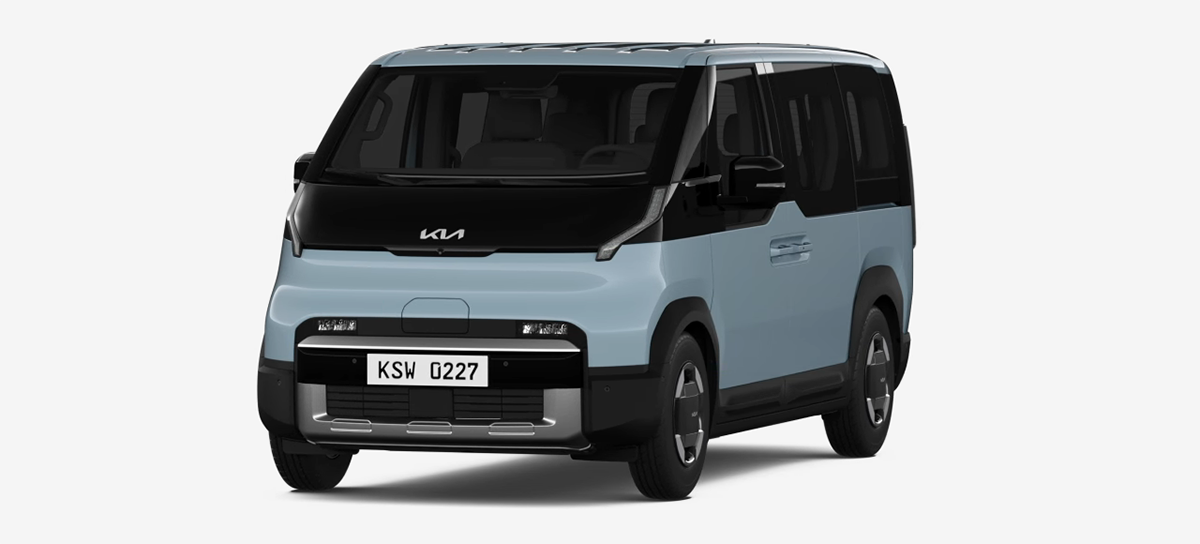
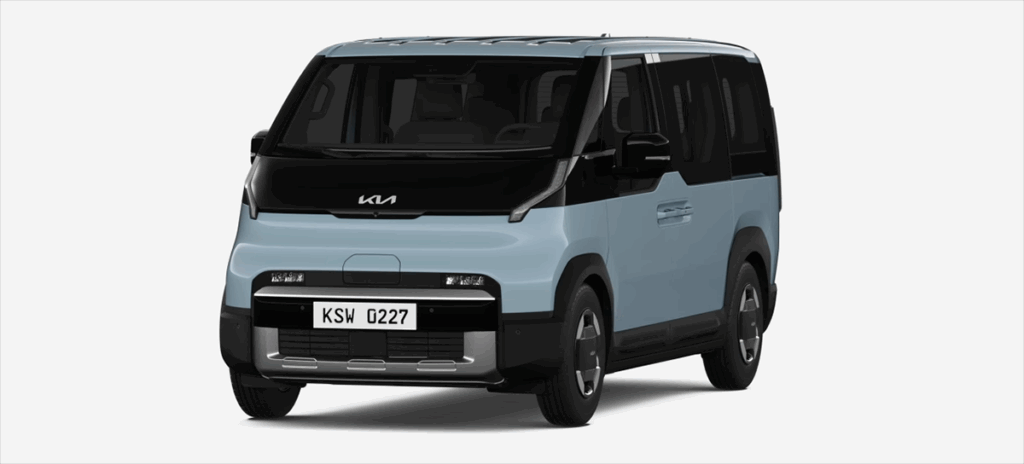
Kia Corporation, Hyundai Motor Group’s affiliate automaker known globally for its expanding EV lineup, is seeing similar momentum through its PV5 electric purpose-built vehicle, or PBV, designed for delivery fleets and urban transport businesses.
The PV5 accounted for nearly 40% of Kia’s domestic commercial vehicle sales last month, with cumulative sales this year surpassing 10,000 units.
Industry officials say the rapid shift reflects growing concern among fleet operators over fuel volatility and tightening diesel regulations, particularly in dense urban markets where stop-and-go driving magnifies fuel expenses.
Unlike passenger cars, commercial vehicles are typically purchased based on long-term operating economics rather than consumer preference. Rising oil prices linked to geopolitical instability are therefore accelerating adoption of hybrids and EVs faster in commercial transportation than in the broader retail auto market.
Hyundai recently expanded its electrified commercial lineup by launching a fully electric version of the Staria, signaling that South Korean automakers increasingly view vans, delivery vehicles and fleet mobility as a major battleground in the global transition away from internal combustion engines.
The shift also highlights how geopolitical disruptions tied to Middle East energy markets are influencing transportation industries far beyond oil-importing nations’ fuel bills. In South Korea, one of the countries most exposed to global energy supply shocks, the impact is already reshaping what businesses choose to drive.