For years, South Korea’s position in the global technology industry was defined by its dominance in semiconductors, displays and consumer electronics. As artificial intelligence reshapes the technology landscape, however, the country is discovering that manufacturing advanced chips is only part of the challenge. The next competition is over the infrastructure required to run them.
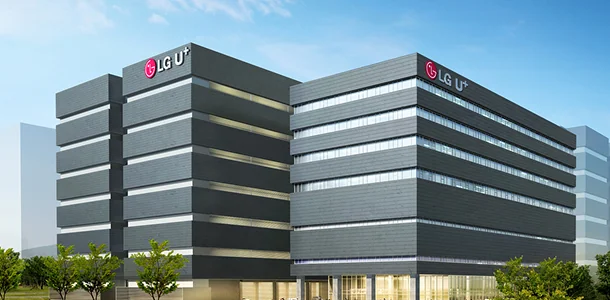
LG Uplus, South Korea’s telecommunications operator and a unit of the LG Group conglomerate, is building a 200-megawatt artificial intelligence data center in the city of Paju, northwest of Seoul. Once completed, the facility will be among the largest AI-focused data centers in the Seoul metropolitan region and capable of housing up to 70,000 Nvidia B200 graphics processing units.
The project reflects a growing reality confronting governments and technology companies around the world. While access to advanced AI chips remains critical, the ability to secure electricity, cooling systems and large-scale computing facilities is increasingly becoming the harder challenge.
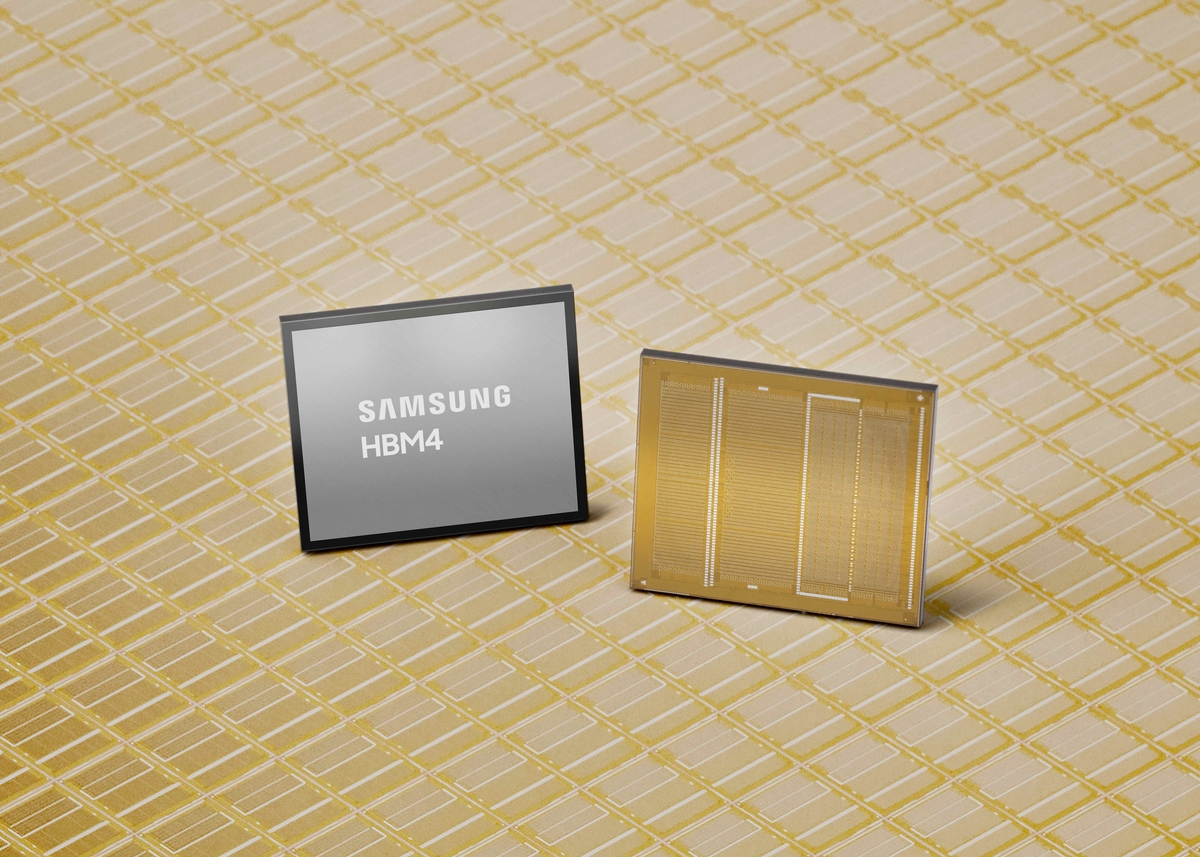
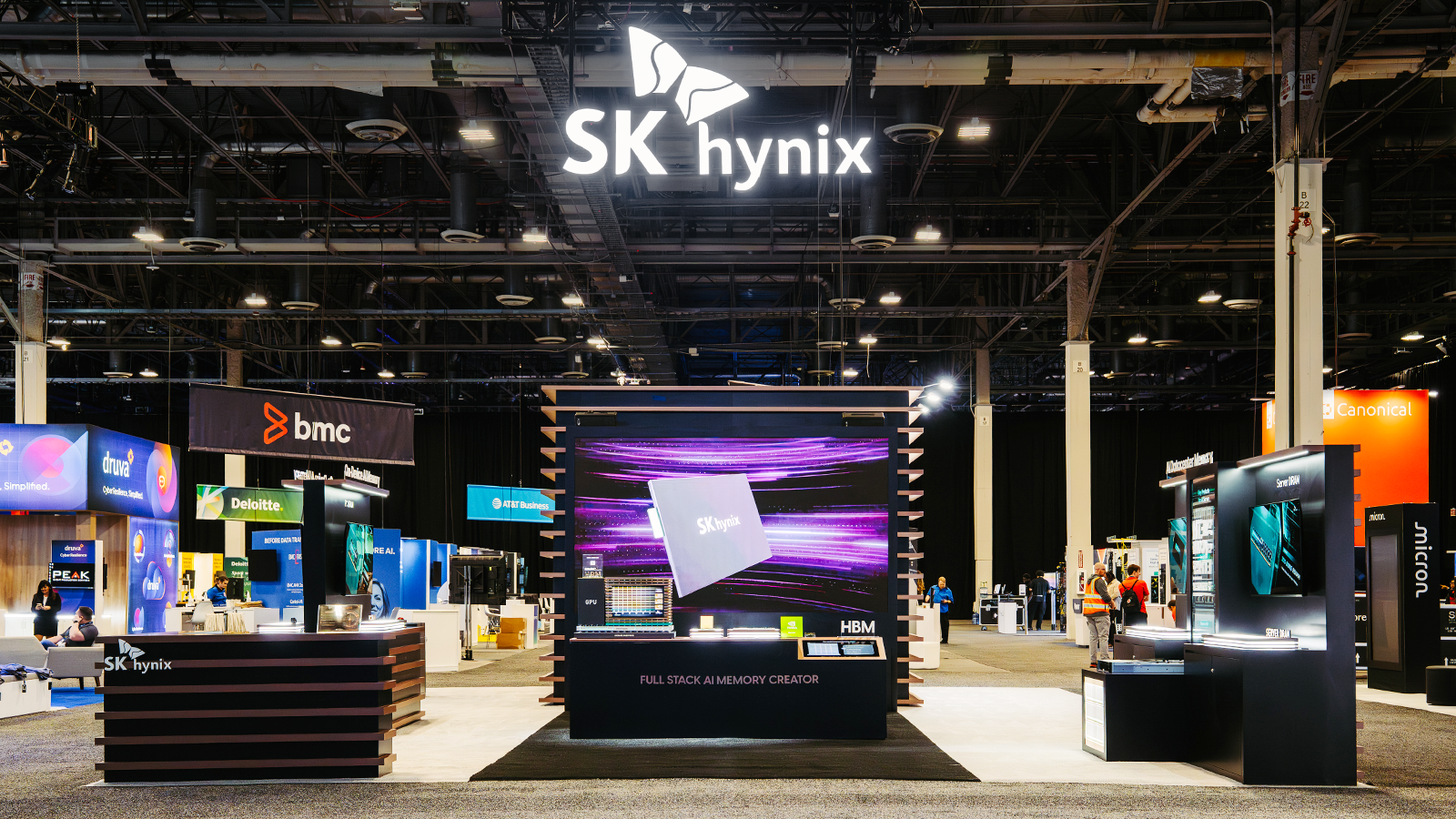
That problem is especially visible in South Korea. The country is home to some of the world’s largest semiconductor manufacturers, including Samsung Electronics, the world’s largest memory-chip producer, and SK Hynix, one of the leading suppliers of high-bandwidth memory used in AI servers. Yet the infrastructure required to deploy those processors at scale has not expanded at the same pace.
Building a hyperscale AI data center typically requires years of planning, regulatory approvals and construction. Demand for AI computing capacity, meanwhile, continues to accelerate as businesses adopt generative AI tools and developers deploy increasingly larger models. Industry executives say the gap between chip availability and data-center capacity is becoming one of the biggest constraints on AI expansion.
LG Uplus believes the answer lies in scale. The company selected Paju partly because the site already has access to a nearby electrical substation and secured approval for a 200MW power supply, a level rarely available in the densely populated Seoul metropolitan area. In the AI industry, access to power has become nearly as valuable as access to chips.
The facility is also being designed around another challenge facing the global AI sector: heat. AI servers consume far more electricity than conventional computing equipment, creating enormous cooling demands. To address that issue, the Paju center will support both traditional air cooling and direct liquid cooling systems. LG Uplus says its liquid-cooling technology, developed with LG Electronics, improves energy efficiency by roughly 24% compared with conventional air-cooled systems.
The company is also preparing to incorporate automation into daily operations. Robots and AI-powered monitoring systems will oversee environmental conditions throughout the campus, part of a broader effort to reduce operating costs while maintaining reliability as facilities continue to grow in size.
The significance of the project extends beyond one telecommunications company. South Korea is increasingly attempting to position itself as more than a supplier of semiconductors for the AI era. The country is seeking a larger role in the infrastructure layer of the industry, where demand for computing power, electricity and data-center capacity is rising as rapidly as demand for the chips themselves.
That shift mirrors developments taking place in the United States, where technology giants including Microsoft, Amazon and Google have spent tens of billions of dollars expanding data-center footprints to support AI services. South Korea’s challenge is similar but more constrained. Land is limited, power availability is increasingly competitive and demand is growing quickly.
The result is a new race that has little to do with smartphones or consumer electronics. The countries that succeed in the AI era may not be those that simply manufacture the most advanced processors. They may be the ones that can build enough infrastructure to keep those processors running.
LG Uplus has set a goal of securing $3.2 billion in cumulative AI data-center contracts by 2030. Whether it achieves that target or not, the construction site in Paju offers a glimpse into how South Korea intends to compete in the next phase of the global AI economy.