South Korea’s entertainment industry is preparing another major historical-political drama for global audiences, as “Ordinary People,” a large-scale film centered on the country’s post-authoritarian power structure, moves into production.
The project is widely viewed as a cinematic continuation of themes explored in South Korea’s recent political box-office success, “12.12: The Day” (“Seoul Spring”), shifting the narrative from the military coup itself to the consolidation and maintenance of power that followed.
Backed by production infrastructure increasingly aligned with global platforms such as Netflix, the film reflects how South Korean historical storytelling is evolving from domestic political memory into internationally marketable prestige content.
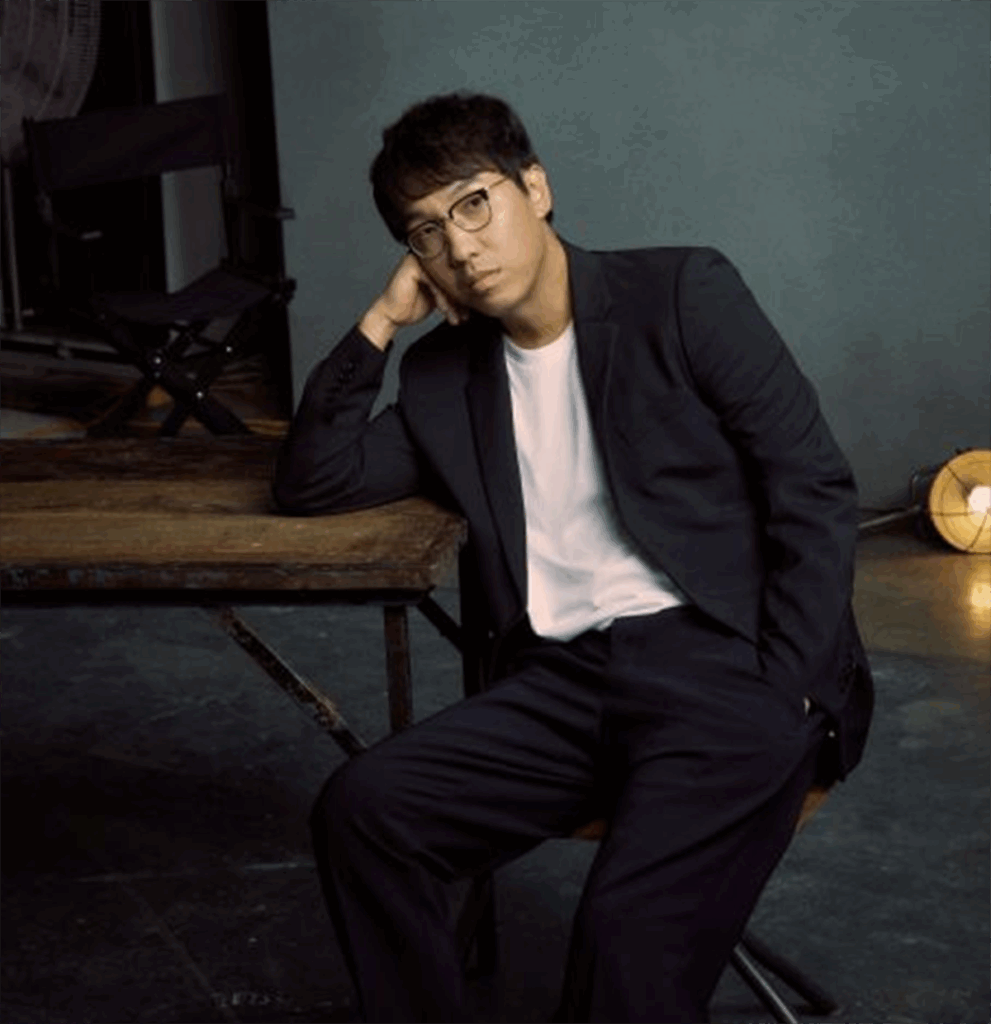
At the center of the project is director Yoon Jong-bin, one of South Korea’s most commercially and critically established filmmakers. Mr. Yoon has built his reputation through works including “Nameless Gangster: Rules of the Time,” “The Berlin File,” “The Spy Gone North,” and the Netflix series “Narco-Saints,” projects that consistently examine power, corruption, institutional systems and survival.
The casting reinforces that thematic continuity.
Ha Jung-woo, often described as Mr. Yoon’s cinematic alter ego due to their repeated collaborations, will portray former military ruler Chun Doo-hwan. The role places Mr. Ha once again at the center of a morally complex power figure, continuing a longstanding creative partnership that has defined some of modern Korean cinema’s most prominent political and crime narratives.
Opposite him, Son Suk-ku will take on the role of Roh Tae-woo, signaling another major transformation for one of South Korea’s most in-demand contemporary actors. Known for his modern, emotionally layered performances, Mr. Son’s portrayal of a military insider rising through authoritarian structures could mark a significant expansion of his dramatic range.
Ji Chang-wook also joins the ensemble, adding further commercial weight to a production already positioned as one of Korea’s highest-profile political dramas.
Rather than focusing solely on historical events, “Ordinary People” is expected to examine the mechanisms of power consolidation—how alliances, ambition and institutional systems shaped South Korea’s political transformation during one of its most controversial periods.
That narrative strategy aligns with broader trends in Korean entertainment, where historical specificity increasingly serves as a framework for globally resonant themes such as authoritarianism, personal ambition and systemic survival.
For global streaming platforms and international audiences, the film may offer more than regional history. It positions South Korea’s authoritarian past as a study of political power with broader contemporary relevance.
If “12.12: The Day” explored the seizure of power, “Ordinary People” appears set to examine what followed: the architecture of control itself.
For South Korea’s film industry, the project underscores an expanding ambition—not simply exporting Korean stories, but transforming national political history into globally competitive cinematic franchises.