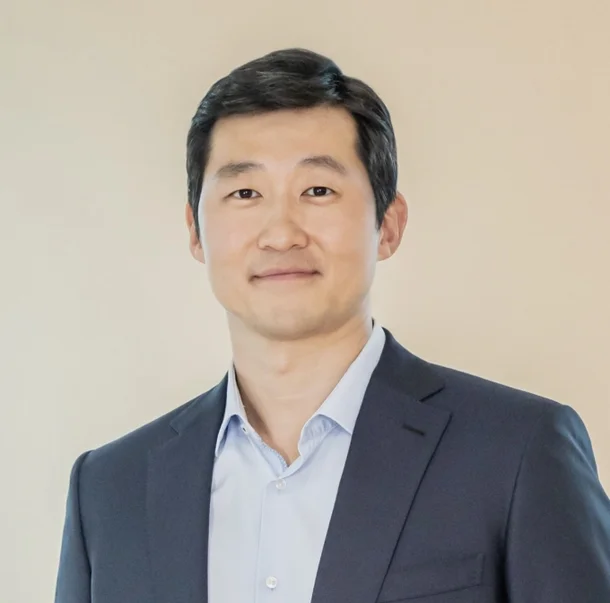
Brian Kim, founder of Coupang and chairman of Coupang Inc., has been designated the controlling person of a large business group under South Korea’s antitrust framework, making him the first chief executive of a U.S. corporation to fall under the rule.
The April 29 decision by the Korea Fair Trade Commission marks the first such case since the country began regulating large conglomerates in 1986. It signals a broader regulatory reach over foreign companies operating in Korea and is expected to trigger legal challenges.
Coupang said it would contest the designation, arguing that Kim and his family hold no equity stakes in the company’s Korean subsidiaries and therefore present no risk of self-dealing. “We will fully present our case through administrative litigation,” the company said.
The move is likely to ripple across the technology sector, raising the possibility that other U.S. executives could face similar scrutiny if their Korean operations exceed key thresholds. Companies with more than about $3.7 billion in domestic assets can be designated as large business groups subject to tighter oversight.
Several U.S. companies already have sizable investments in Korea, including Apple with roughly $1.9 billion in assets, Microsoft with about $730 million, Tesla with approximately $420 million, and Meta Platforms with around $210 million. Netflix has also outlined plans to invest $2.5 billion in the country.
Market participants say the decision could set a precedent for executives such as Mark Zuckerberg, Reed Hastings and Elon Musk, who exercise significant control over their companies. If their Korean investments expand, similar classification debates could emerge.
The ruling also carries geopolitical implications. While the Fair Trade Commission said the designation reflects standard legal enforcement, U.S. officials have previously raised concerns about applying the “controlling person” designation to American nationals. Lawmakers from the Republican Study Committee recently sent a letter to Seoul’s ambassador in Washington criticizing what they described as discriminatory treatment of U.S. firms.
Another issue is the potential for overlapping regulatory requirements. As a U.S.-listed company, Coupang already complies with disclosure obligations set by the U.S. Securities and Exchange Commission. The new designation could subject it to additional reporting requirements in Korea, raising concerns about dual regulation.
Coupang said the designation could extend reporting obligations to board members and affiliated executives, reflecting structural differences between U.S. and Korean corporate governance systems. U.S.-listed companies typically require a majority of independent directors, unlike many Korean firms.
Analysts question whether Korea’s traditional “controlling person” framework—designed for domestically controlled conglomerates—can be effectively applied to globally structured companies. Critics say the approach may struggle to accommodate increasingly complex multinational ownership models and could create tensions over regulatory fairness.