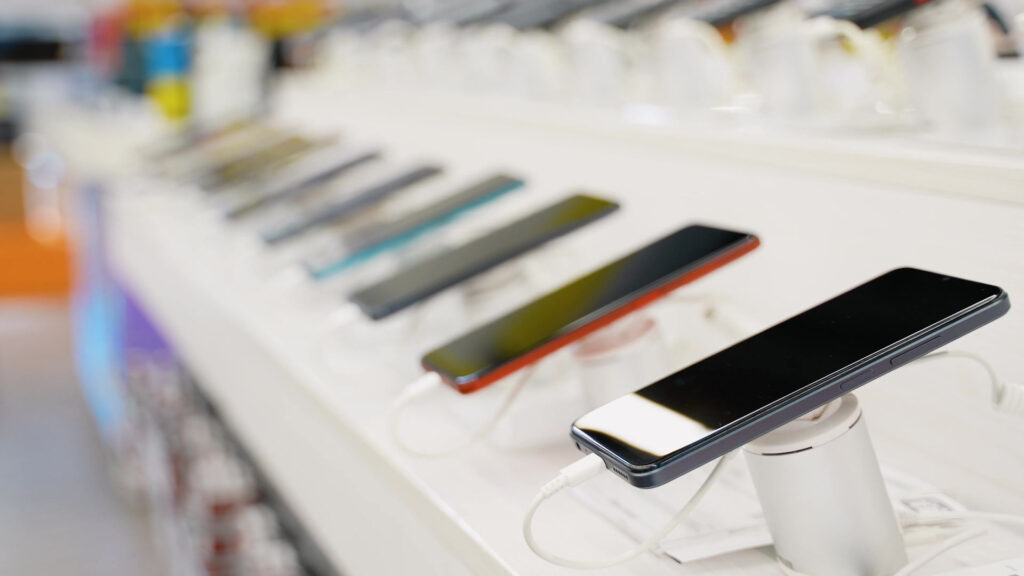
A rapid expansion in artificial-intelligence infrastructure is beginning to push costs onto everyday consumers, as a tightening supply of memory chips raises prices across a wide range of electronics.
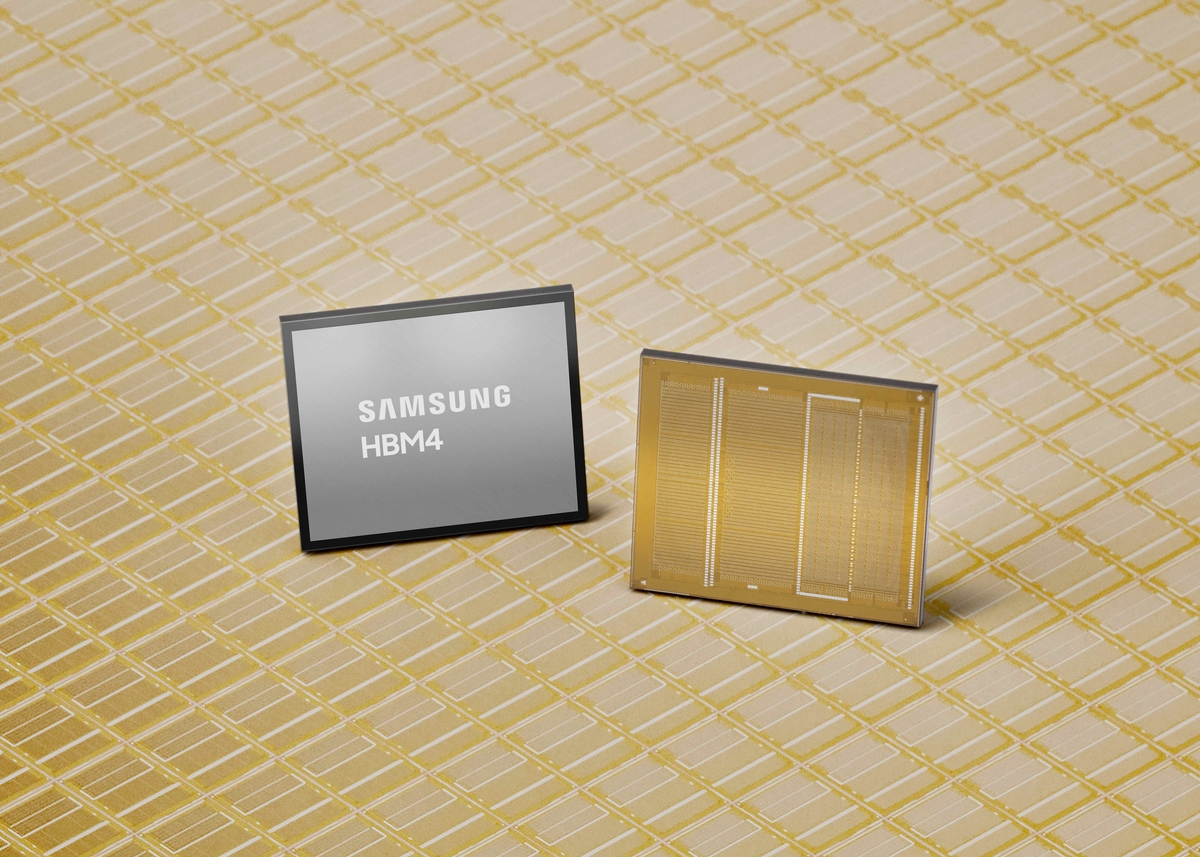
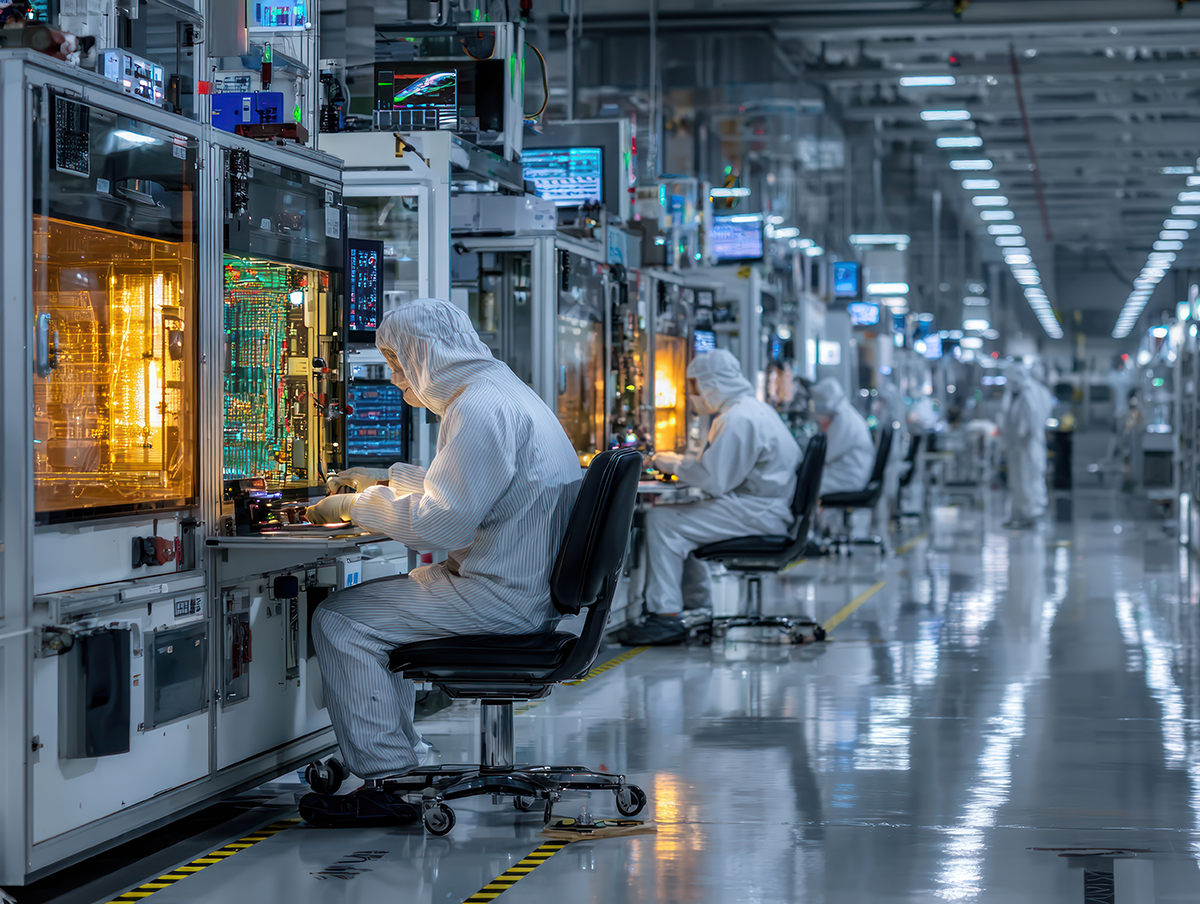
At the center of the shift are South Korea’s chipmakers, including Samsung Electronics and SK hynix, which have increasingly redirected production toward high-performance memory used in AI data centers. The move has boosted margins in the fast-growing AI segment, but at the expense of supply for conventional consumer devices.
As production tilts toward high-bandwidth memory and server-grade chips, output of standard DRAM and NAND used in laptops, smartphones and gaming devices has tightened, creating upward pressure on prices.
That shift is now visible at the retail level.
Laptop prices in South Korea have risen sharply, with both Samsung and LG Electronics lifting prices by hundreds of dollars compared with prior models. Similar adjustments are emerging globally, as manufacturers pass higher component costs through to consumers.
Taiwan-based Asus has raised PC prices by up to 25%, while U.S. firms HP and Dell are preparing increases as procurement costs rise.
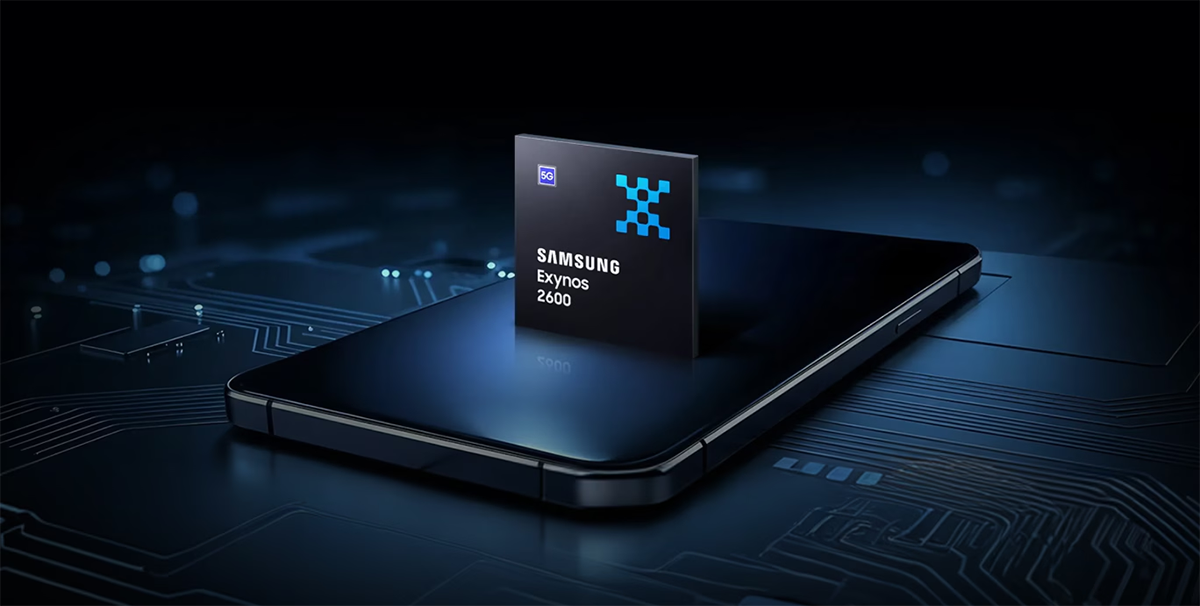
The ripple effects extend beyond personal computers. Sony recently raised prices for its PlayStation 5, citing higher input costs, while smartphone makers are adjusting pricing on premium models as memory becomes a larger share of overall production expenses.
For consumers, the result is a growing disconnect between technological progress and affordability. While AI investment is accelerating innovation and corporate earnings, it is also reshaping supply priorities in ways that make everyday devices more expensive.
Market data reflects the scale of the shift. Memory prices have surged in recent months, with DRAM rising more than 50% and NAND flash climbing even faster, according to industry estimates. With supply increasingly concentrated on AI-related demand, further increases are expected.
Analysts say the trend underscores a broader reallocation of resources within the semiconductor industry, where capacity is being directed toward higher-margin, enterprise-driven demand. In that environment, consumer electronics—once the core driver of memory demand—are becoming a secondary priority.
The consequence is a gradual transfer of costs. As manufacturers struggle to absorb rising input prices, consumers are left to shoulder more of the burden—either through higher upfront prices or by delaying upgrades altogether.
For now, the AI boom is delivering clear gains for chipmakers and cloud operators. But for many households, it is also making the cost of staying connected meaningfully higher.