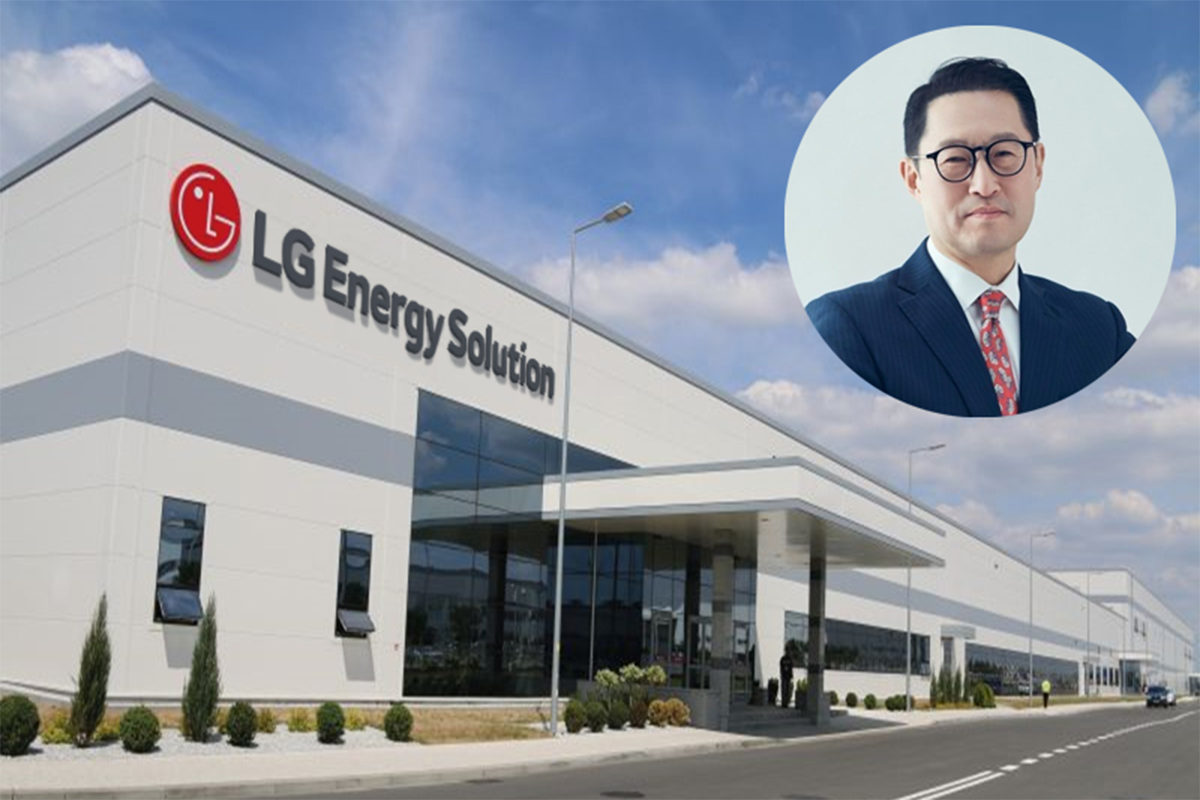
LG Energy Solution, South Korea’s largest battery maker, is reshaping its North American manufacturing strategy as slowing electric-vehicle demand pushes battery producers to seek growth in energy storage, a market increasingly viewed as critical to the U.S. power grid.
Speaking at Battery Seminar 2026 in San Jose, Phil Lienert, a senior specialist responsible for North American external affairs at LG Energy Solution, outlined the company’s plans to expand and diversify its manufacturing network across the region.
The strategy reflects a broader shift underway among South Korean battery manufacturers, which have invested billions of dollars in the United States to support automakers but are now adapting to a softer EV market and rapidly growing demand for grid-scale energy storage.
LG Energy Solution, a South Korean battery company that supplies major automakers including General Motors, Honda and Hyundai Motor Group, said it is broadening production in North America beyond nickel-cobalt-manganese, or NCM, batteries to include lithium iron phosphate, or LFP, cells.
The company established its U.S. manufacturing presence in 2012 with a $300 million investment in a battery plant in Holland, Michigan. Since then, it has expanded aggressively through joint ventures with General Motors, Honda and Hyundai Motor Group, while also operating standalone facilities in Arizona and Lansing, Michigan.
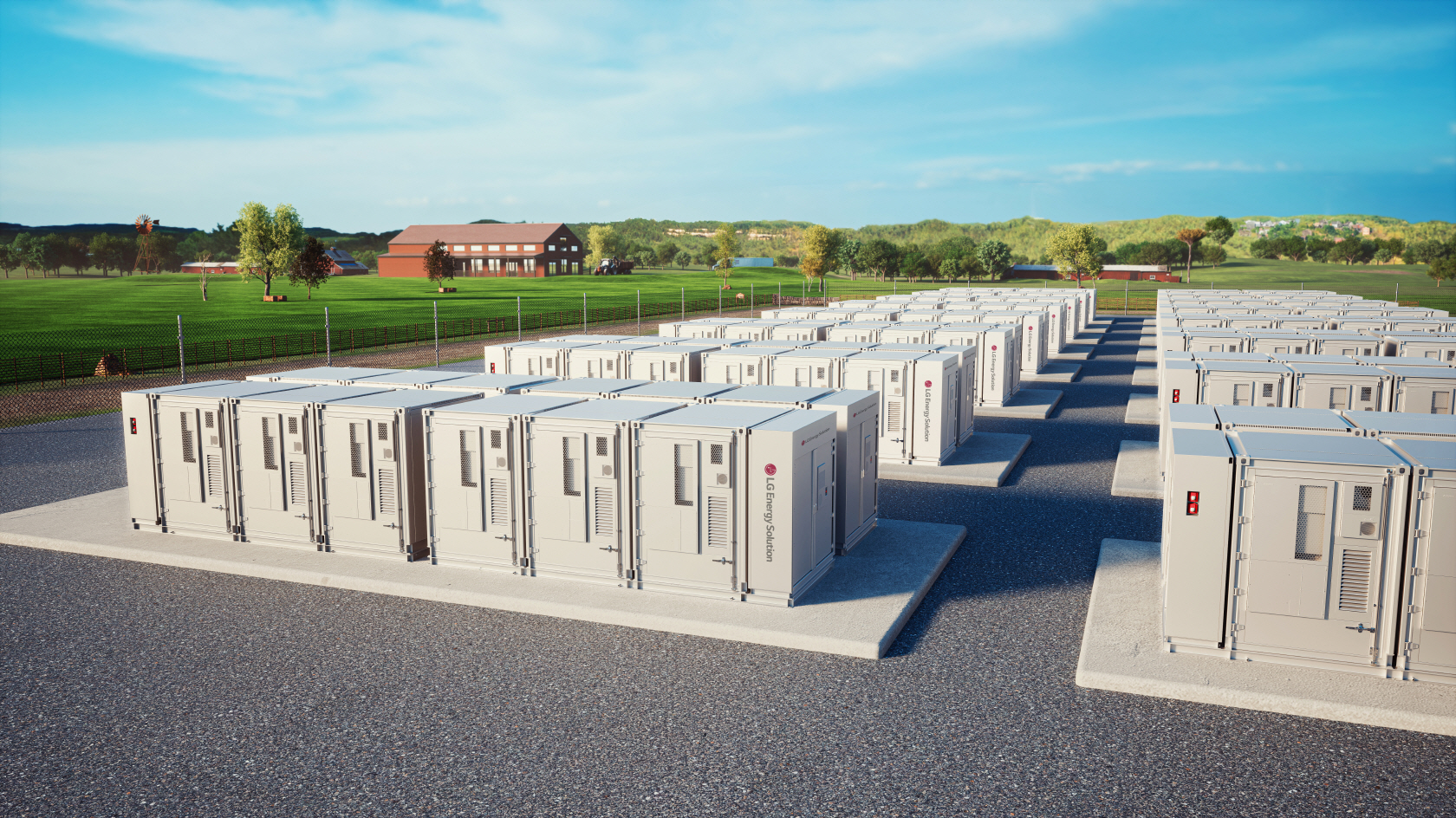
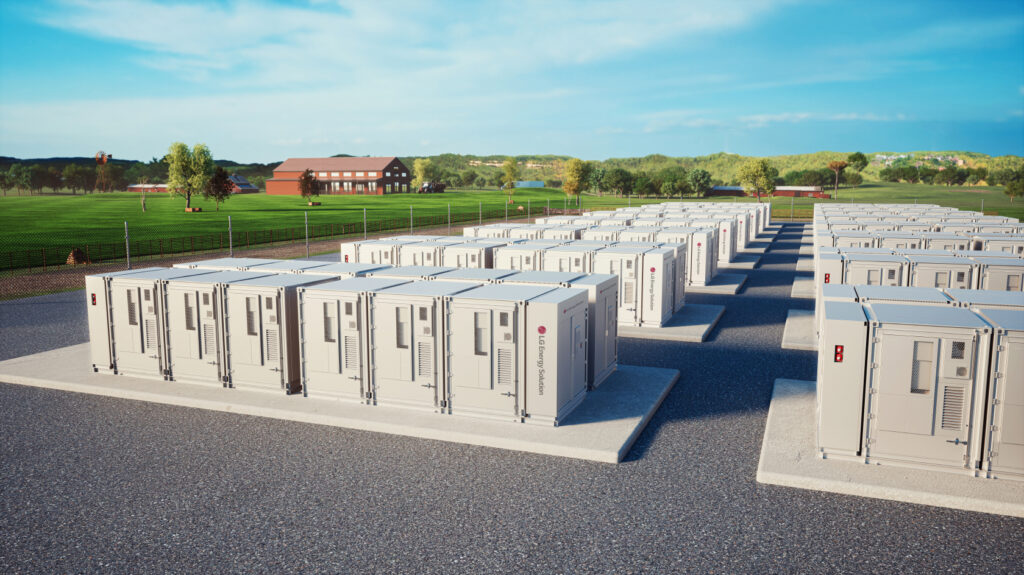
As EV sales growth slows across North America, LG Energy Solution is increasingly positioning energy storage systems, or ESS, as its next major growth engine. The company began producing ESS batteries in March at the Ultium Cells plant in Spring Hill, Tennessee, converting part of its manufacturing capacity to serve the fast-growing storage market.
The South Korean company plans to manufacture LFP batteries at five North American sites, including the NextStar Energy facility in Canada and the Lansing plant in Michigan, with the goal of securing more than 50 gigawatt-hours of regional production capacity.
The expansion comes as utilities, renewable-energy developers and operators of large-scale data centers seek additional battery storage capacity to stabilize power supplies and manage rising electricity demand. Industry executives increasingly view stationary storage as one of the most promising growth areas for battery manufacturers, particularly as the pace of EV adoption moderates.
For South Korea’s battery industry, the shift underscores how companies that built massive U.S. production networks around electric vehicles are now recalibrating those investments to capture emerging opportunities in America’s evolving energy infrastructure.