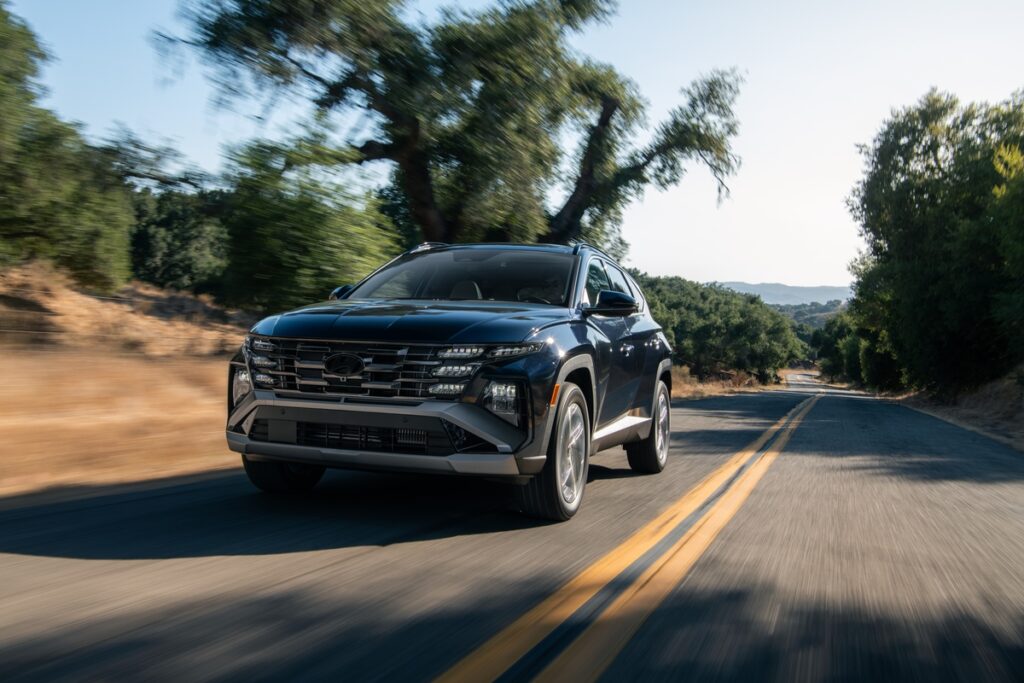
Hyundai Motor Group is on track to surpass 1.5 million cumulative hybrid vehicle sales in the U.S. this month after selling approximately 1.487 million units through May, underscoring the growing role of SUVs and minivans in the country’s expanding market for electrified vehicles.
The South Korean automaker entered the U.S. hybrid market in 2011 with the Hyundai Sonata Hybrid and Kia K5 Hybrid and has steadily expanded its lineup over the past decade. Cumulative hybrid sales surpassed 500,000 units in 2022 and exceeded 1 million units in 2025.
Much of that growth has been driven by recreational vehicles, or RVs—a category that includes SUVs and minivans. Since 2011, RV models have accounted for approximately 970,000 hybrid sales in the U.S., representing about 65% of Hyundai Motor Group’s total cumulative hybrid volume.
The figures highlight the continued dominance of larger vehicles in the U.S. market, even as consumers increasingly embrace fuel-efficient and lower-emission transportation options.
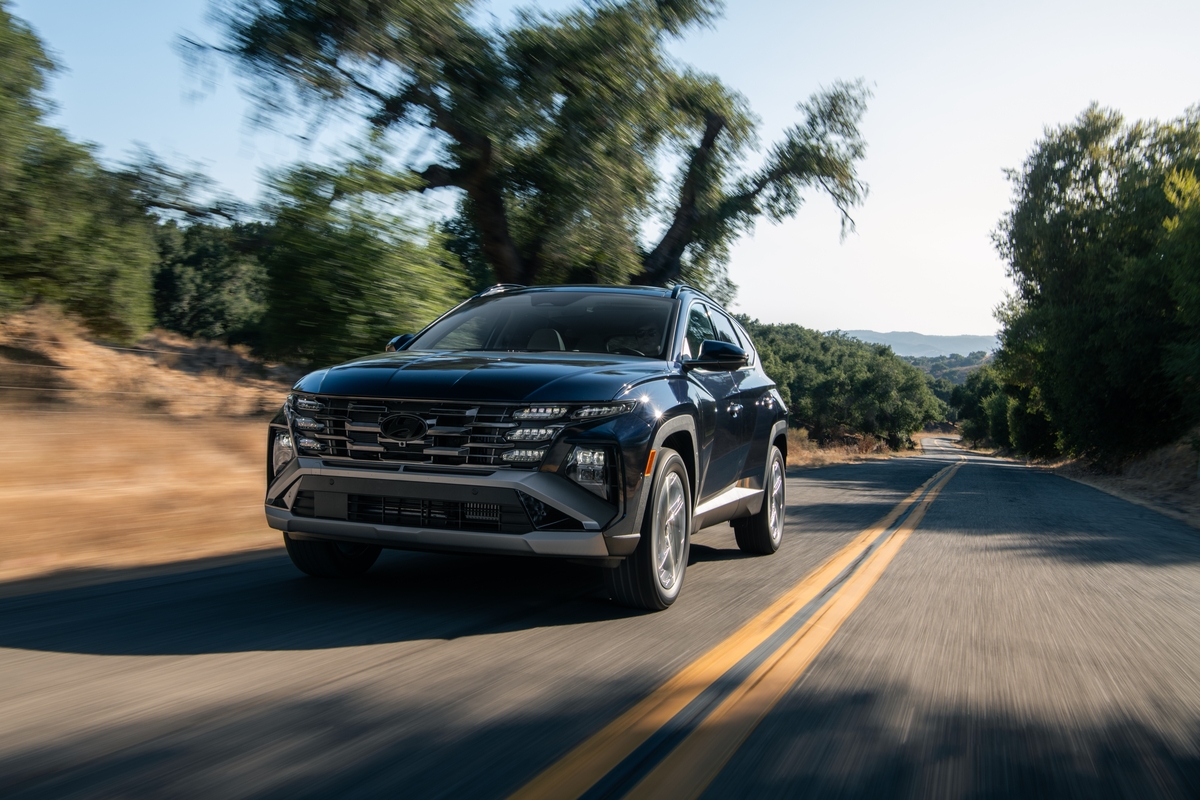
Hyundai’s Tucson Hybrid and Santa Fe Hybrid, along with Kia’s Sportage Hybrid and Sorento Hybrid, have been among the group’s strongest-performing models.
The Tucson Hybrid leads cumulative sales with approximately 258,000 units sold, followed by the Sportage Hybrid at 199,000 units, the Santa Fe Hybrid at 159,000 units, the Niro Hybrid at 157,000 units and the Sorento Hybrid at 99,000 units.
Newer models have also gained momentum. The Kia Carnival Hybrid has sold approximately 56,000 units since its launch, while the Hyundai Palisade Hybrid has recorded about 27,000 sales since entering the U.S. market last year.
Kia has been particularly successful with its SUV- and minivan-focused strategy. RV models account for 81.3% of the brand’s total hybrid sales in the U.S., reflecting strong consumer demand for larger family-oriented vehicles.
The Carnival Hybrid has posted robust sales since its introduction in 2024, while the Telluride Hybrid has sold approximately 17,000 units since launching in February, helping Kia strengthen its position in the premium vehicle segment.
The group’s growing hybrid sales demonstrate its ability to narrow the gap with long-established leaders Toyota Motor Corp. and Honda Motor Co. in the U.S. electrified-vehicle market. Industry observers say Hyundai Motor Group has benefited from aligning its hybrid strategy with American consumers’ preference for SUVs and other larger vehicles.
The company plans to further expand its lineup of hybrid, plug-in hybrid and battery-electric vehicles as it seeks to strengthen its position in the U.S. market.
Hyundai Motor Group also intends to introduce hybrid models under its Genesis luxury brand, a move aimed at expanding its presence in the premium electrified-vehicle segment.
“Demand for SUVs, minivans and other large RV models continues to grow,” a Hyundai Motor Group representative said. “We plan to further increase environmentally friendly vehicle sales by leveraging our advanced hybrid technology.”