South Korea’s two semiconductor champions are on track for another record-breaking quarter as the global artificial-intelligence boom drives memory-chip prices sharply higher. Yet the same market conditions fueling unprecedented profits for Samsung Electronics, the country’s largest technology company and the world’s biggest memory-chip producer, and SK Hynix, the world’s leading supplier of high-bandwidth memory chips for AI systems, are also helping strengthen a potential future rival: China.
According to earnings estimates compiled by financial data provider FnGuide, Samsung Electronics is expected to generate $106 billion in revenue and $54 billion in operating profit during the second quarter. SK Hynix is projected to post $52 billion in revenue and $40 billion in operating profit. Both figures would represent the strongest quarterly performances in the companies’ histories.
The gains reflect a dramatic shift in the economics of the AI industry. As technology companies invest heavily in deploying AI services at scale, demand for memory chips has surged alongside demand for advanced processors. Tight supply conditions have given manufacturers significant pricing power, creating one of the strongest upcycles the memory industry has experienced in years.
Industry estimates show that conventional DRAM prices rose more than 50% during the second quarter compared with the previous quarter, while NAND flash prices climbed more than 70%. The increase has boosted margins across the sector and turned memory production into one of the most profitable segments of the semiconductor market.
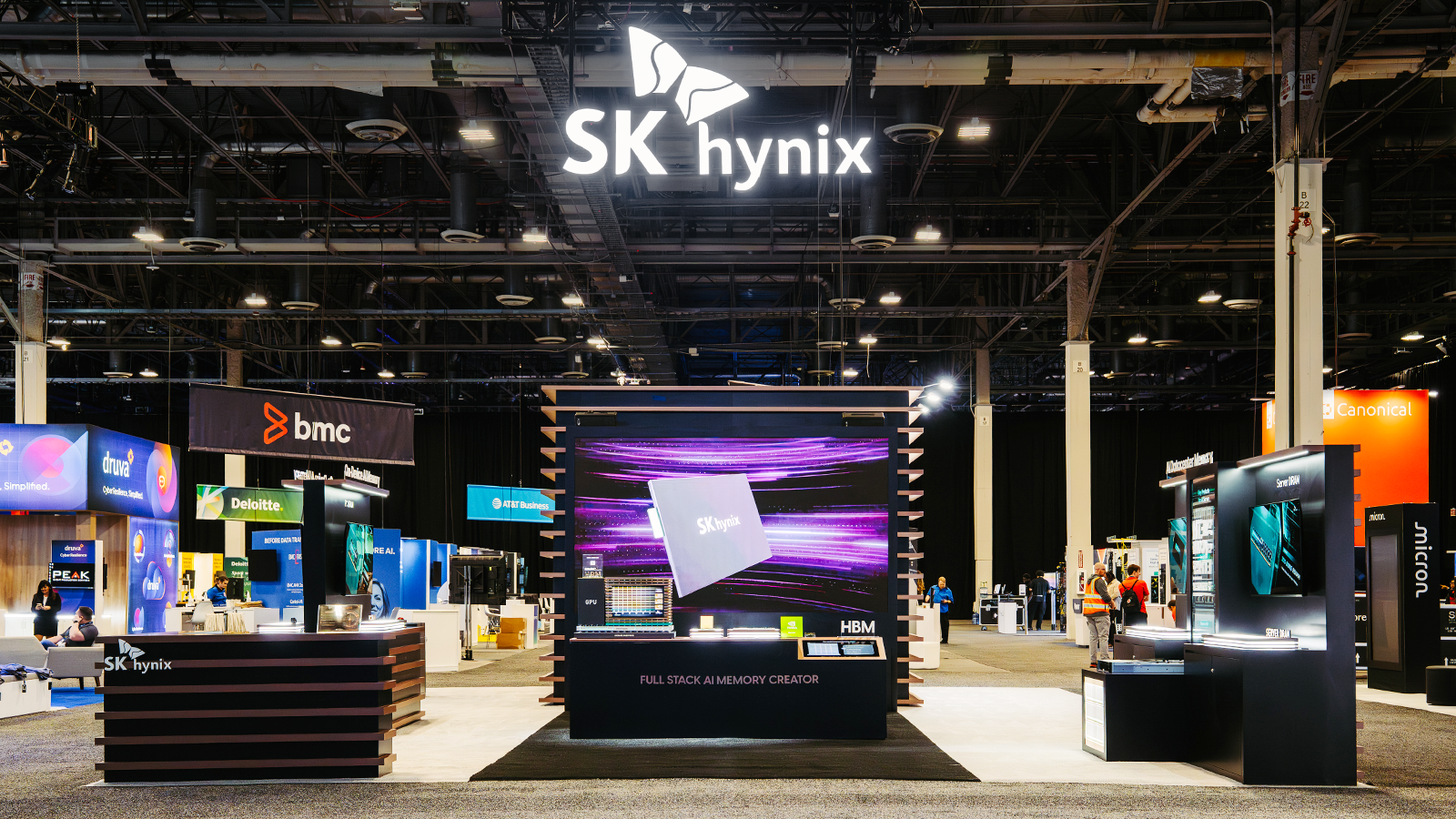
Samsung, which operates the world’s largest conventional DRAM manufacturing capacity, has benefited from expanding shipments into a market where demand continues to outpace supply. At the same time, SK Hynix remains one of the biggest beneficiaries of growing demand for HBM, a specialized memory technology essential for advanced AI computing systems.
The South Korean companies are betting that the boom is far from over. SK Hynix is expanding production capacity through major investments in facilities including the M15X and P&T7 plants in Cheongju, the Yongin semiconductor cluster and an advanced packaging plant in the United States. The company believes memory shortages linked to AI infrastructure expansion could persist for years.
But South Korea is no longer the only country benefiting from the surge in demand.
ChangXin Memory Technologies, or CXMT, one of China’s largest memory-chip manufacturers, reported first-quarter net profit of $4.8 billion, a 1,268.5% increase from a year earlier. Revenue rose 719.1% to $7.5 billion. The company expects first-half profit to increase by more than 2,200% from the same period last year.
China’s expanding AI industry is helping drive that growth. Technology giants including Alibaba, Tencent and ByteDance are investing aggressively in AI infrastructure, while U.S. export restrictions have encouraged greater reliance on domestic semiconductor suppliers. As a result, Chinese memory producers are generating far more cash than many industry observers expected only a few years ago.
That development is drawing increasing attention across South Korea’s semiconductor sector. Industry observers warn that rising profits could allow Chinese manufacturers to accelerate investment in fabrication plants, equipment and research efforts. While South Korean companies continue to maintain a technological advantage in memory production, stronger cash flow could help Chinese competitors narrow the gap more quickly than previously anticipated.
The irony for South Korea is that the same AI-driven memory supercycle generating record profits for Samsung and SK Hynix may also be providing the financial foundation for China’s next phase of semiconductor expansion. For now, South Korea remains one of the biggest winners of the AI era. The question facing the industry is whether today’s boom will ultimately strengthen the competitors seeking to challenge that lead.