HiteJinro is betting that Japan’s centuries-old tea culture could help fuel the next stage of Korean alcohol’s overseas expansion.
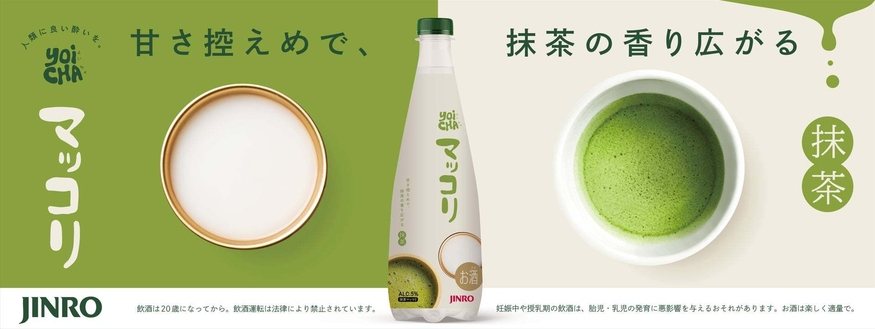
The South Korean liquor maker said its Japanese subsidiary will begin nationwide sales of “Jinro YOICHA Makgeolli Matcha” on May 22, positioning the drink as Japan’s first commercially released matcha-flavored makgeolli.
The launch reflects a broader shift among South Korean consumer brands as companies increasingly move beyond exporting standardized Korean products and instead redesign them around local tastes in key overseas markets.
For Korean alcohol producers, Japan has become one of the most strategically important—and difficult—testing grounds.
While Japanese consumers have embraced Korean dramas, K-pop and Korean food over the past decade, the country remains one of Asia’s most competitive alcohol markets, shaped by deeply entrenched domestic drinking habits and powerful local beverage brands.
Rather than relying solely on the novelty of Korean products, HiteJinro appears to be pursuing a more localized strategy.
The new drink combines makgeolli, the traditional Korean rice wine that has gained visibility overseas alongside Korean cuisine, with matcha, a flavor category deeply embedded in Japanese consumer culture through cafes, desserts and ready-to-drink beverages.
The company said the product uses matcha sourced from Boseong, South Korea’s largest tea-producing region, and was designed to balance the subtle bitterness and aroma of green tea with the softer texture traditionally associated with makgeolli.
The strategy highlights how South Korean liquor companies are broadening their overseas portfolios beyond flavored soju, the category that initially drove Korean alcohol exports during the global rise of Korean pop culture.
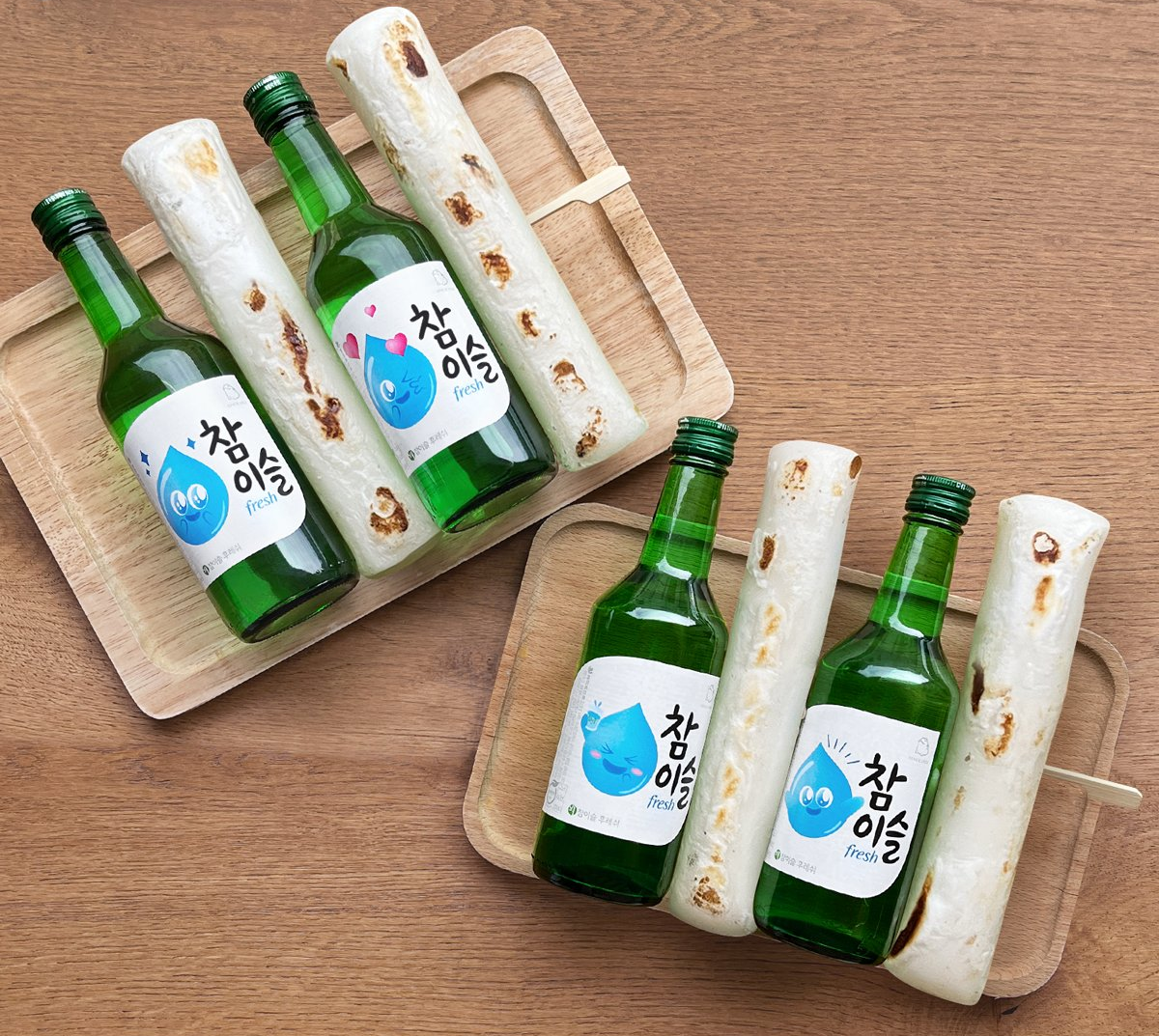
HiteJinro has spent recent years aggressively expanding its Japanese business through fruit-flavored Chamisul soju, sparkling alcoholic beverages, canned cocktails and beer products.
Sales of Chamisul accelerated in Japan after 2020 as Korean television dramas and streaming content gained wider popularity. The products are now widely available through Japanese convenience stores and supermarkets rather than remaining limited to specialty Korean grocery chains.
The company has also leaned heavily into entertainment-driven marketing.
HiteJinro appointed Japanese actress First Summer Uika as a local brand ambassador and partnered with hotel operators to create themed “Chamisul Rooms” in Japan. The company also launched promotional campaigns tied to Tomorrow X Together, the K-pop group better known as TXT.
Industry analysts say Japan is increasingly serving as more than a nearby export market for South Korean beverage companies.
Instead, it is emerging as a proving ground for whether Korean consumer brands can evolve from riding the popularity of K-entertainment into building globally competitive lifestyle products tailored to local consumer behavior.
For HiteJinro, the success of matcha makgeolli may ultimately say less about alcohol itself and more about how far Korean brands can localize without losing the cultural identity that made them globally recognizable in the first place.