South Korea’s running craze is rapidly evolving into far more than a fitness trend. For global sportswear companies, the country is increasingly becoming a proving ground for how younger consumers may redefine athletic culture itself.
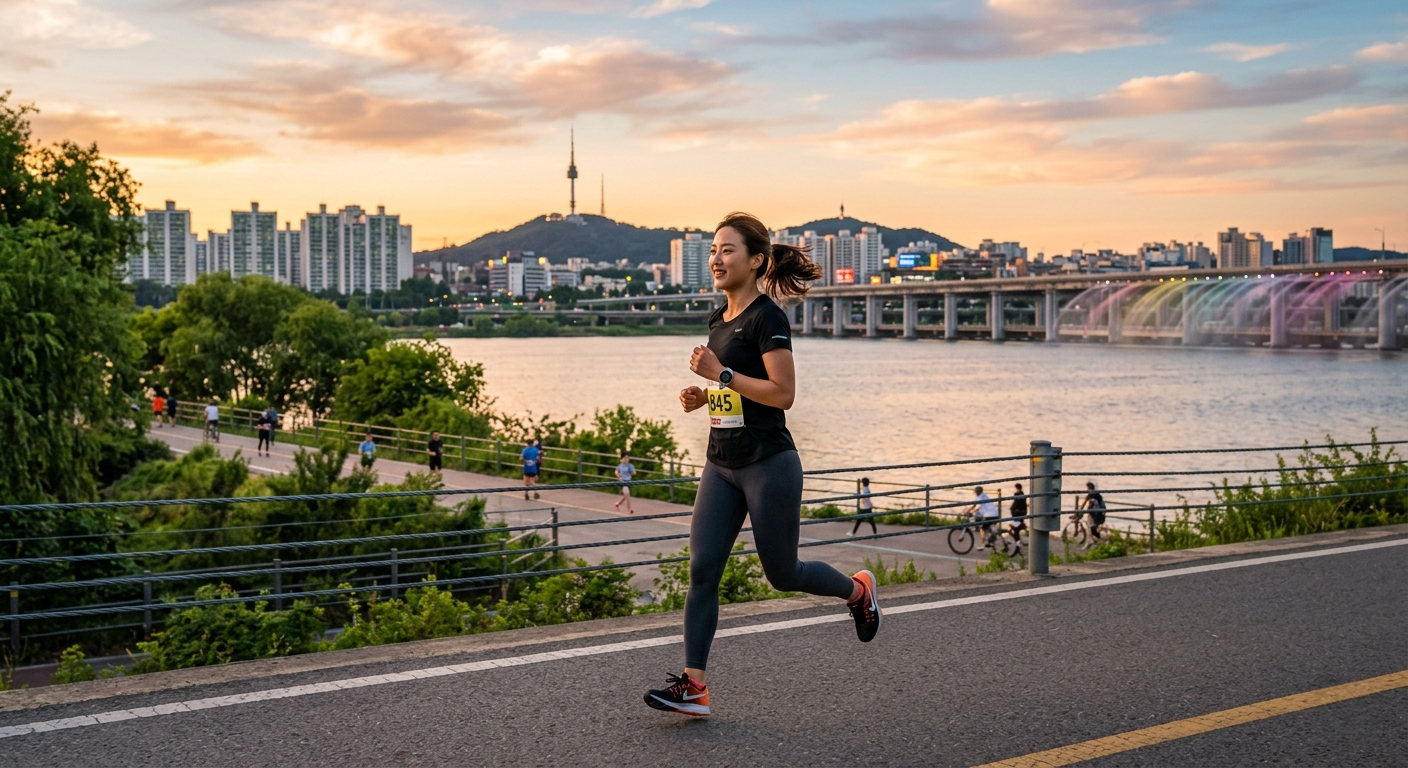
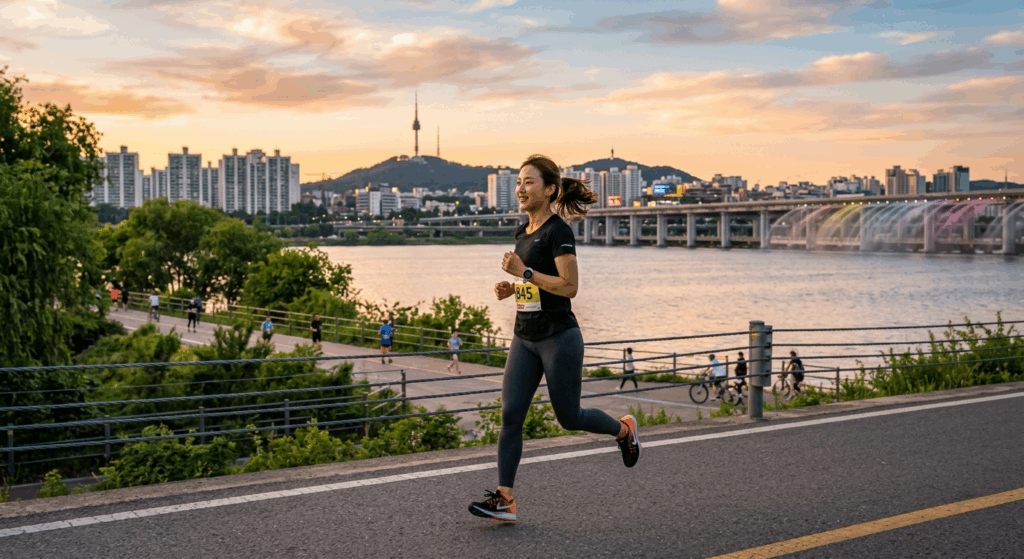
What was once a relatively niche activity in South Korea has transformed into one of the country’s most visible lifestyle movements. Across Seoul, running crews gather nightly along the Han River and downtown streets, marathon participation continues to surge and social media platforms are flooded with running-related content.
But the real significance for global brands lies beyond exercise.
Running in South Korea is increasingly intertwined with fashion, wellness culture and social identity, particularly among consumers in their 20s and 30s. Performance running shoes are now worn as everyday lifestyle items, blurring the traditional boundaries between athletic gear and street fashion.
That shift is attracting growing attention from international sportswear companies seeking insight into how younger generations engage with brands in an era where community and cultural relevance matter as much as technical performance.
New Balance has emerged as one of the biggest beneficiaries of the trend. The brand, operated in South Korea by E-Land World, generated roughly $830 million in local revenue last year, up about 20% from the previous year.
Rather than relying solely on conventional retail expansion, the company has aggressively positioned itself inside South Korea’s running community ecosystem. In Seoul, New Balance recently converted an existing store into a “Run Hub” concept space where consumers can test shoes, participate in running programs and connect with local running crews.
The approach reflects a broader strategic shift taking place across the sportswear industry.
Brands are increasingly treating South Korea’s running boom not simply as a spike in sneaker demand, but as a consumer ecosystem driven by experiences, digital influence and social participation. Running crews such as New Balance’s NBRC are functioning not only as fitness groups but also as lifestyle communities that deepen brand loyalty.
Japanese sportswear company ASICS has also gained momentum in the South Korean market as younger consumers embrace running models such as the Gel-Kayano and Novablast, shoes that combine technical functionality with casual everyday wearability.
Fashion collaborations with labels including Cecilie Bahnsen and Andersson Bell have further strengthened ASICS’ position among style-conscious consumers seeking products that work equally well as performance gear and fashion statements.
Puma and other global brands are pursuing similar strategies, increasingly framing running as part of a broader wellness-oriented lifestyle rather than a purely competitive activity.
Industry analysts say South Korea’s importance extends beyond the size of its domestic market.
Global brands increasingly view South Korean consumers as fast-moving trend adopters whose preferences spread rapidly through digital platforms and often influence wider consumption trends across Asia.
Unlike earlier running booms focused primarily on athletic performance or marathon competition, South Korea’s version blends exercise with online identity, fashion aesthetics and community culture.
That combination is proving especially valuable for sportswear companies attempting to build emotional engagement with younger consumers.
According to Euromonitor International, South Korea’s athletic footwear market surpassed $2 billion in 2024, with running shoes accounting for more than $690 million.
Competition is also intensifying around both technology and branding. Companies are simultaneously promoting advanced cushioning systems and energy-return technologies while marketing the same products as essential lifestyle fashion items.
Industry officials say the trend still has room to expand as health-conscious consumer behavior strengthens and younger generations continue prioritizing community-driven wellness experiences.