South Korea’s rapid stock market gains are reshaping the country’s corporate hierarchy, pulling fast-growing fintech firms and securities companies into a tightly regulated group of large conglomerates monitored by the government.
At the center of the shift is the annual designation by South Korea’s Fair Trade Commission, which classifies corporate groups based on total assets and subjects the largest among them to disclosure requirements and restrictions on intra-group transactions and ownership structures. The system applies to diversified business groups known locally as chaebol, which face varying levels of regulatory oversight depending on size.
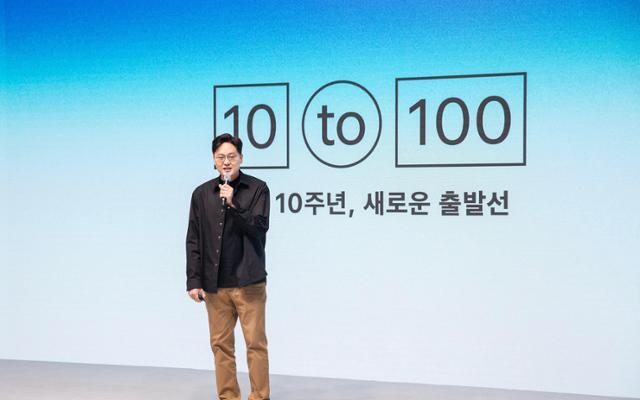
This year’s update showed how strongly financial market conditions are feeding into corporate balance sheets. Toss, the digital financial platform that began in 2015 as a peer-to-peer money transfer service, was designated as a large corporate group for the first time after its total assets rose to $3.7 billion, above the $3.4 billion threshold. The company now oversees 16 affiliated firms and will be required to disclose detailed financial statements, internal transactions and governance structures, while facing tighter limits on cross-company financial support.
The designation marks a notable transition for Toss, which has expanded beyond payments into brokerage and broader digital financial services, reflecting the rapid scaling of fintech firms in a market buoyed by strong equity performance.
Other securities-linked groups also moved up in the rankings. Kiwoom, DB and Daishin all advanced in position, supported by rising retail investor activity, including increased overseas stock trading and higher customer deposits. DB rose from 40th to 37th, while Daishin climbed from 76th to 69th.
Daou Kiwoom, which was ranked 49th last year, rose to 47th and was placed into a stricter regulatory category for groups exceeding a higher asset threshold that imposes tighter controls on cross-shareholding and internal transactions.
A senior official at the Fair Trade Commission’s Corporate Group Monitoring Bureau said the changes reflected asset growth driven by strength in semiconductor and securities markets over the past year, which has inflated balance sheets across multiple sectors.
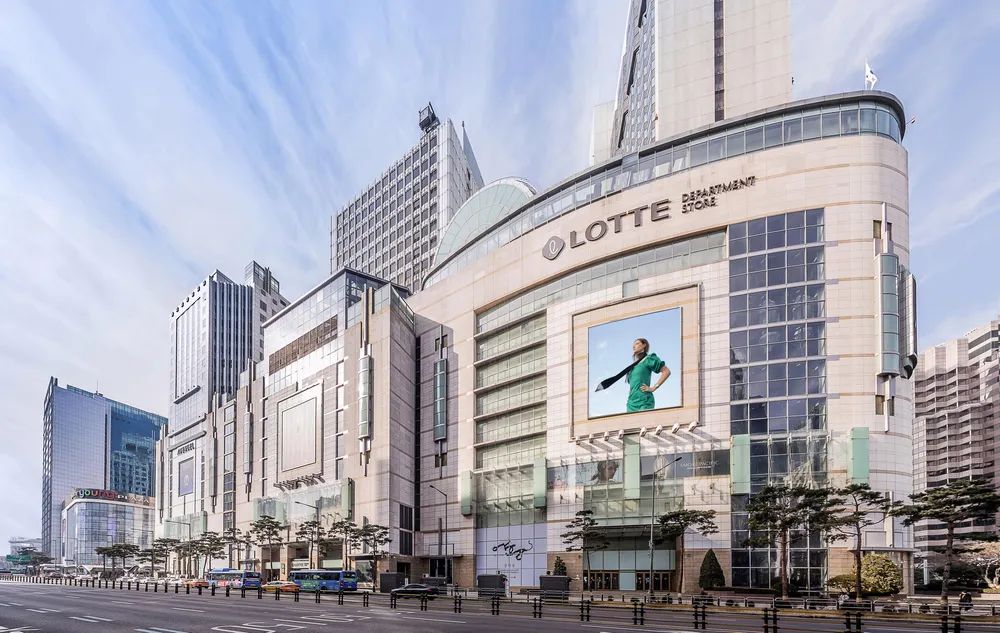
In total, South Korea designated 102 large corporate groups this year, up from 92 a year earlier. The top tier remained largely unchanged, led by Samsung, followed by SK, Hyundai Motor, LG, Hanwha, Lotte, POSCO, HD Hyundai, Nonghyup and GS.
Hanwha moved up two places in the rankings, overtaking Lotte and POSCO, supported by increased defense-related demand tied to ongoing geopolitical tensions from the Russia-Ukraine war.
The overall picture highlights how a sustained equity market rally in South Korea is not only boosting corporate valuations but also accelerating the entry of newer financial players into a regulatory framework traditionally dominated by long-established industrial conglomerates.