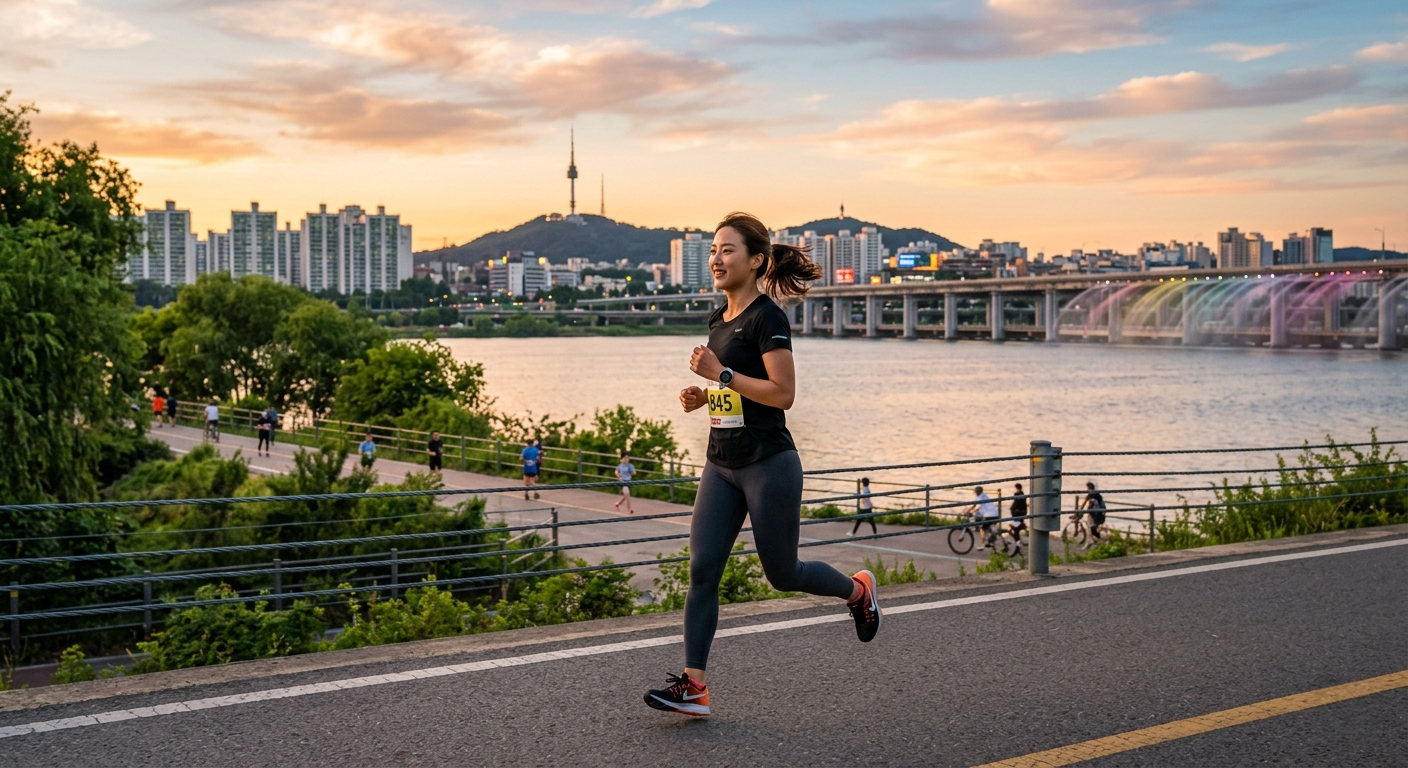
South Korea is preparing to shift its commuting system into an emergency mode if surging oil prices trigger the highest level of energy-security alert, aiming to curb private car use and expand public transportation capacity.
The plan, presented April 28 (local time) at a Cabinet meeting by the Ministry of Land Infrastructure and Transport, outlines sweeping measures to reduce congestion and manage energy demand during peak commuting hours.
Public transit usage has already risen amid higher fuel costs. Commuter traffic in April increased about 4.1% from a year earlier, with congestion intensifying across subway and bus networks. Sections of urban rail operating above 150% capacity nearly tripled over the past month, while overcrowded bus routes also increased.
Authorities have begun expanding service on the most congested routes. Nearly 200 Seoul bus lines have added about four additional daily runs, while a key commuter rail line has increased peak-hour frequency.
If the crisis level is elevated, subway and bus operations would be ramped up to levels comparable to those seen during labor disruptions, with concentrated dispatching and extended peak service hours.
Over the longer term, the government plans to expand transit capacity, including adding rail cars to major subway lines and a heavily congested commuter corridor. The initiative will be backed by about $30 million in government funding through 2029.
A central element of the plan is to suppress private vehicle demand and shift commuters toward public transit. Existing restrictions on vehicle use in the public sector—such as alternate-day driving systems—could be expanded to private drivers under a severe alert, along with tighter controls on public parking access.
To strengthen compliance, the government is preparing incentives, including auto insurance discounts for drivers who reduce vehicle use under a five-day rotation system. Officials say such measures could help lower accident rates and overall driving frequency.
Additional steps under consideration include extending dedicated bus-lane operations. A major express bus corridor along a key highway could be expanded to about 50 miles and operate from 6 a.m. to 10 p.m., increasing capacity for high-volume transit.
The plan also aims to spread commuting demand across the day. A public transit rewards program would offer higher rebates—by as much as 30 percentage points—for riders traveling outside peak hours, including early morning, late morning and evening periods.
Flexible work arrangements will play a key role. The government has recommended that at least 30% of public-sector employees adopt staggered schedules, rising to as much as 50% under severe conditions, alongside broader encouragement of remote work.
Private-sector participation will be encouraged through incentives rather than mandates, with support for flexible scheduling aimed at easing peak-hour congestion.
“The focus is on reducing private car use while expanding and redistributing public transit demand to address both congestion and energy challenges,” Land Minister Kim Yoon-duk said.