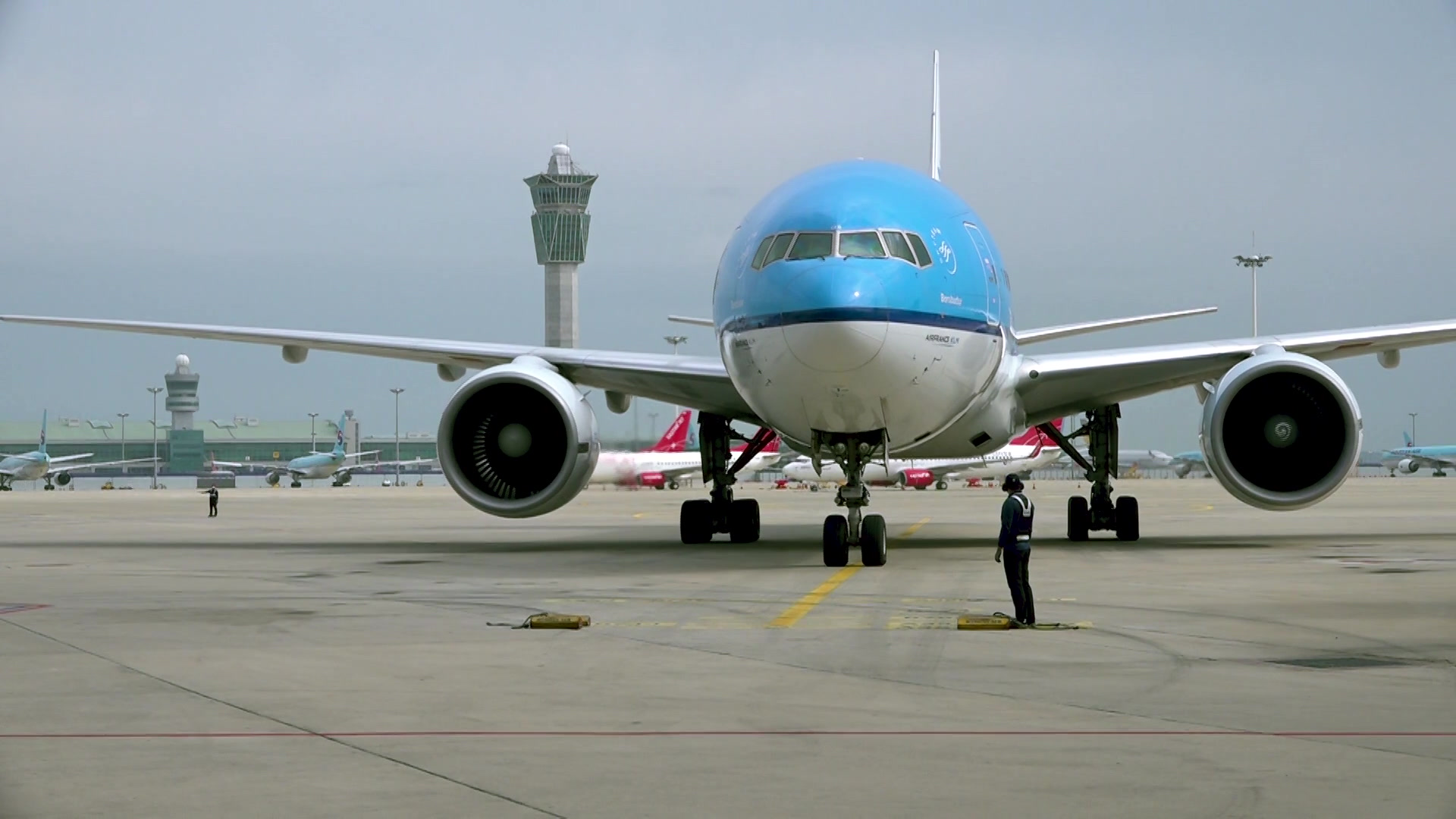
Escalating tensions between the United States and Iran are disrupting global travel, as airlines cancel Europe-bound routes transiting the Middle East, forcing tour operators to scrap bookings and scramble for alternatives.
A mid-sized travel agency said it had canceled all 2,300 reservations for Europe-bound packages departing this month that relied on Middle Eastern stopovers. With affected flights no longer operating, the company is attempting to rebook travelers on direct or non–Middle East routes.
Conversion to alternative itineraries has been limited, with only about 30% of customers opting to rebook. Direct flights can cost up to about $380 more per ticket, translating into an additional $760 to $1,500 for families—deterring many travelers.
Large travel agencies report similar challenges. Most have canceled Middle East transit packages scheduled for March and are encouraging customers to switch, but uptake remains weak. Many of these routes were bound for Spain or Turkey, and demand for Turkey has been particularly soft due to its proximity to the conflict zone.
Industry officials say fewer than half of affected March departures have been successfully converted to alternative flights, though conditions for April and later departures remain more stable given the longer booking window.
Compounding the disruption, airlines are sharply increasing fuel surcharges. South Korean carriers announced on March 16 that surcharges on tickets issued next month will rise by as much as threefold.
On routes such as Seoul–Paris, round-trip fuel surcharges have increased by about $300. For Europe-bound packages typically priced between roughly $1,500 and $4,500, the added cost represents a significant burden for travelers.
In response, major agencies including HanaTour, Mode Tour, Norang Pungseon, and Very Good Tour are urging customers to issue tickets early to lock in lower surcharges.
Fuel surcharges are determined at the time of ticket issuance, not departure. This means travelers booking now for April or May departures can avoid the higher rates set to take effect next month.
Early ticketing, however, carries risks. Cancellation fees can reach about $230 on routes such as Seoul–Paris if tickets are canceled close to departure. While lower than the surcharge increase, the balance varies by route and timing, leaving consumers exposed to potential losses.
Travel firms are also launching promotions to capitalize on pre-increase demand. One agency is marketing March as “the best time to book long-haul travel.”
Still, industry analysts warn that sustained high oil prices and a strong dollar could dampen long-haul travel demand. Some agencies are already seeing a shift, with bookings to short-haul destinations such as Japan and China rising more than 30% year over year.
“The combination of route disruptions and rising fuel surcharges is increasing operational strain,” an industry official said. “If conditions persist, a decline in long-haul travel and a reshuffling of regional demand is likely.”