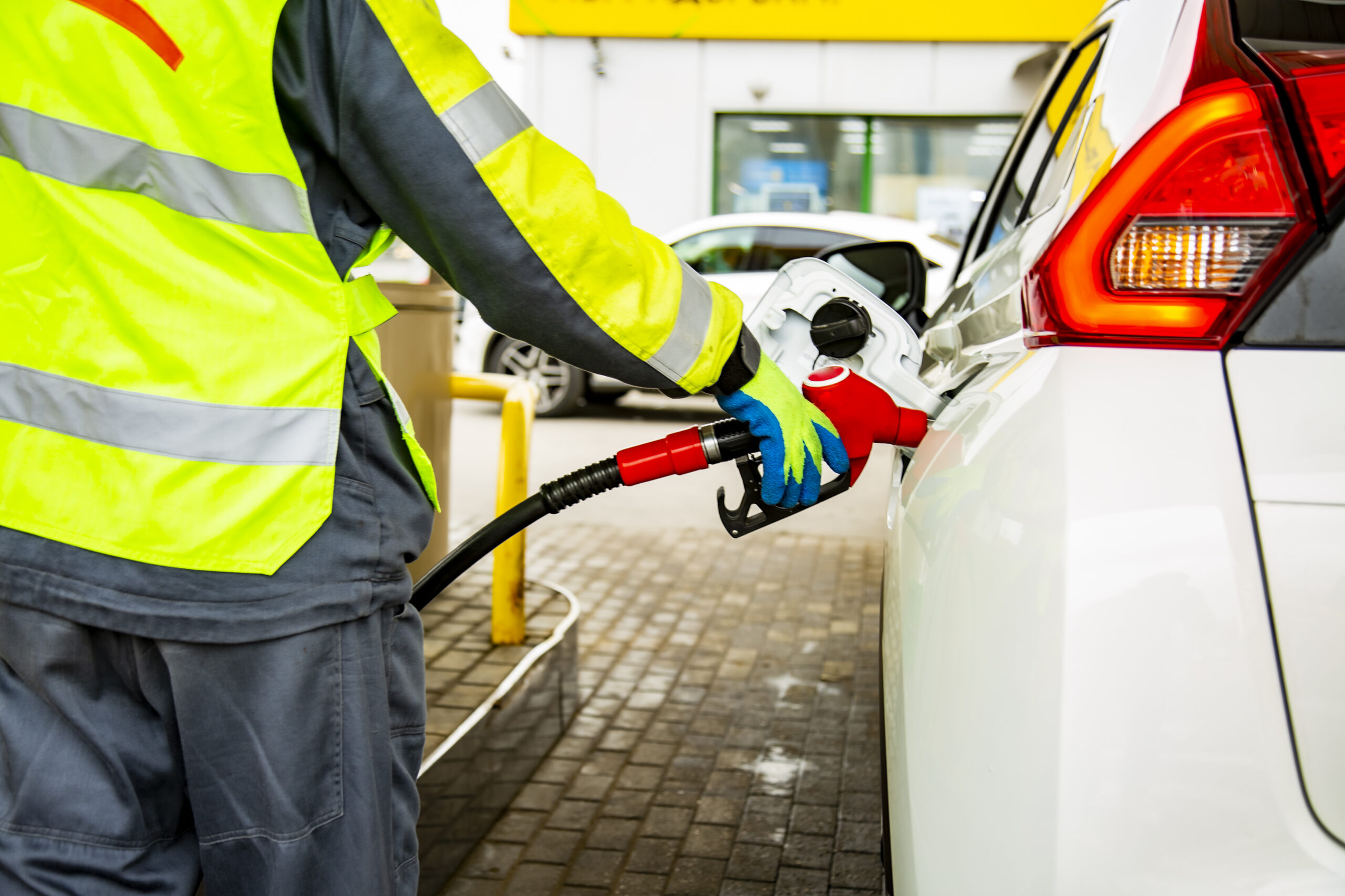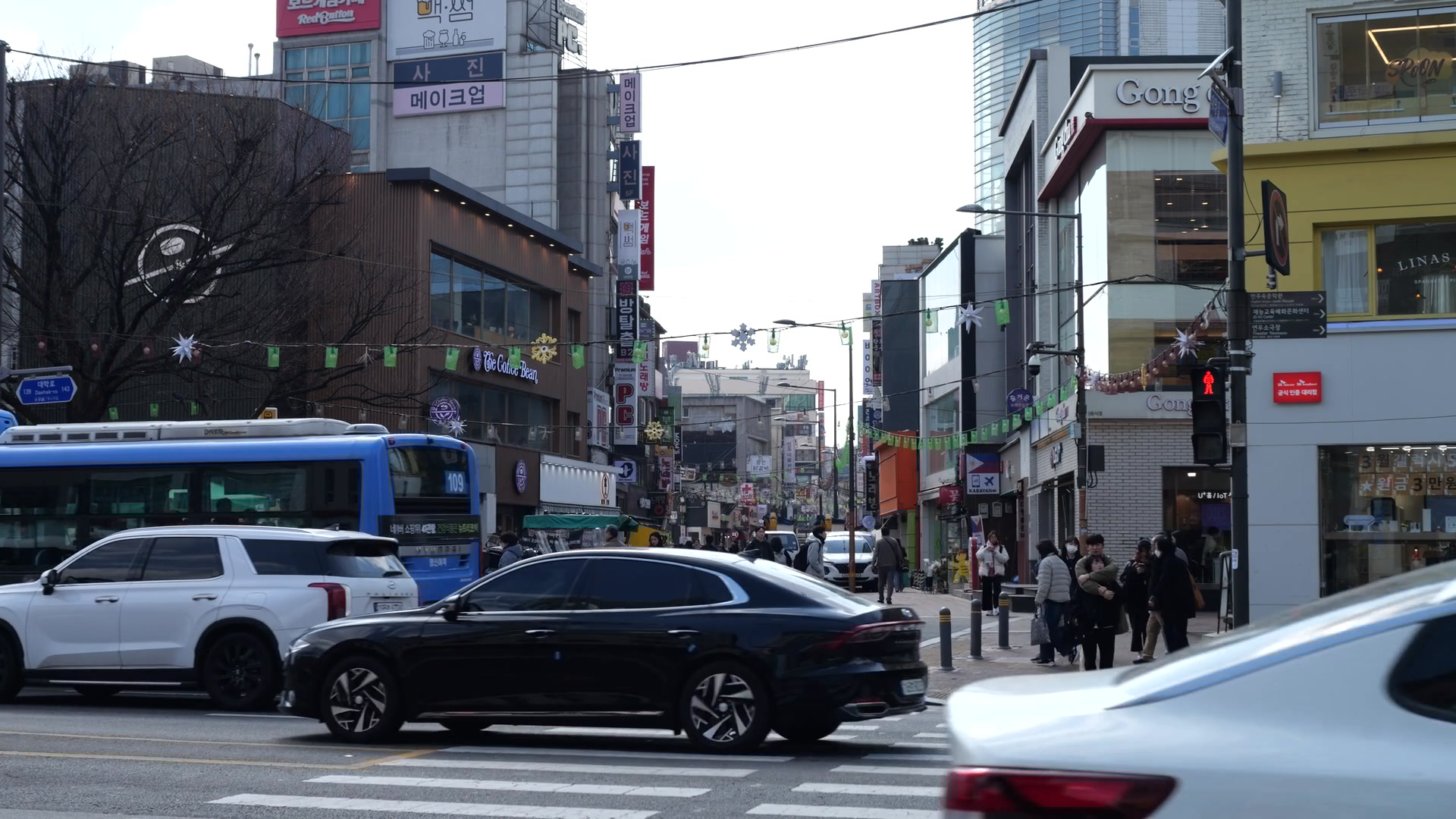
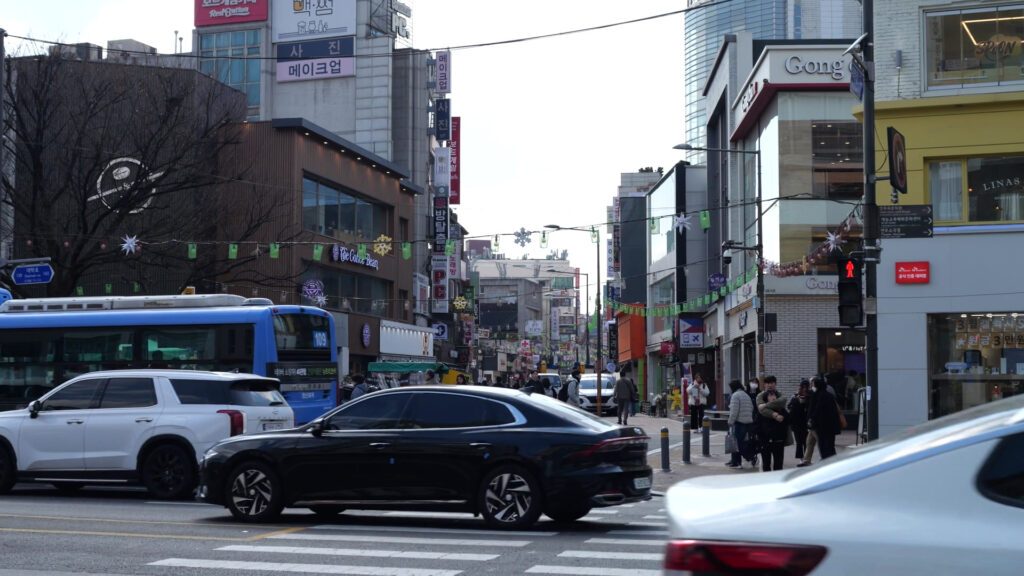
South Korea is imposing stricter vehicle restrictions across its public sector in response to growing energy supply risks linked to instability in the Middle East. Starting April 8, government agencies nationwide will implement an odd-even system, allowing vehicles to operate only on days matching the last digit of their license plates. Odd-numbered plates can run on odd-numbered days, even-numbered plates on even-numbered days.
The measures cover roughly 11,000 public institutions, including central and local government offices, public schools, and official fleet vehicles. Civilian vehicles visiting government facilities will also be subject to a five-day rotation at public parking lots, expanding the policy’s scope beyond employees.
The restrictions reflect South Korea’s high reliance on imported oil, which leaves the country vulnerable to geopolitical shocks. Low-emission vehicles such as electric and hydrogen-powered cars remain exempt, while hybrid and compact cars, previously excluded, are now included under the tighter rules. Certain exemptions also apply for vehicles carrying disabled passengers, pregnant women, or employees with limited access to public transportation.
Officials are encouraging flexible work schedules, reduced business travel, and expanded use of remote meetings to further limit fuel consumption. Mandatory restrictions for private vehicles are still under review, with the government signaling that broader measures could follow if global energy pressures persist.
The policy illustrates how import-dependent economies may resort to direct intervention in daily activity to safeguard energy supplies, a move reminiscent of historical energy crises elsewhere.