
South Korea’s antitrust regulator said on 2/12 local time that it will impose fines totaling about $3.0 billion on three major sugar producers for colluding to fix prices over more than four years, marking one of the largest cartel penalties in the country’s history.
The Fair Trade Commission said CJ CheilJedang, Samyang Corp. and Daehan Sugar coordinated the timing and magnitude of price changes in business-to-business sugar transactions between 2/2021 and 4/2025. The companies carried out eight coordinated adjustments—six increases and two decreases—in violation of Korea’s Monopoly Regulation and Fair Trade Act.
The combined penalty is the second-largest ever imposed by the agency in a single cartel case, following a 2010 decision against six liquefied petroleum gas suppliers. On a per-company basis, the average fine of roughly $1.0 billion represents a record, officials said.
CJ CheilJedang was fined about $1.1 billion, Samyang about $965 million and Daehan Sugar about $945 million.
According to the commission, the three companies coordinated price increases to quickly pass rising raw-sugar costs on to food and beverage manufacturers. They also pressured customers that resisted the hikes. When global raw-sugar prices declined, the companies agreed to delay price cuts or reduce prices by less than the drop in input costs, the regulator said.
Executives and sales managers held meetings and maintained communications to align pricing strategies, the FTC said. Each company led negotiations with customers where it had the largest market share and shared the results internally.
Officials said the collusion affected revenue of about $24.4 billion, with the penalty rate set at 15%.
The regulator also issued corrective orders, including bans on further violations, mandatory reporting of future price changes, compliance training for employees and internal investigations into potential collusion within sales teams.
The case comes as President Lee Jae-myung has called for tougher enforcement against price manipulation contributing to higher food costs. Prosecutors in Seoul indicted two senior executives in 11/2025 and charged 11 additional individuals without detention in connection with the same allegations, an unusual sequence in which criminal indictments preceded the regulator’s final administrative ruling.
South Korea’s sugar industry has long operated as a tight oligopoly. The three companies accounted for about 89% of domestic sales volume in 2024, according to the commission. Attempts by smaller competitors to enter the market over past decades largely failed, reinforcing high barriers to entry.
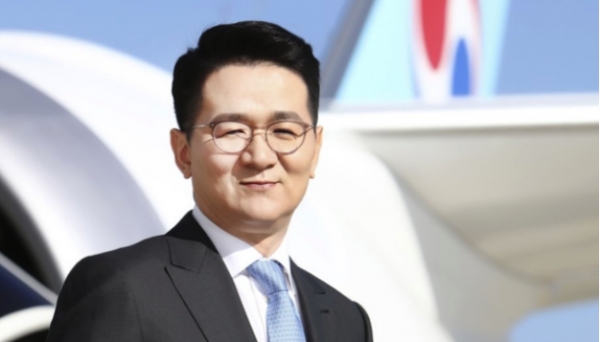
FTC Chairman Joo Byung-ki said the companies exploited those barriers to secure stable profits while engaging in illegal coordination. “We imposed sanctions strictly in accordance with the law and principles,” he said, adding that the fines exceed the gains obtained through the misconduct.
The commission opened its investigation in 3/2024 and said the companies continued coordinating for more than a year after the probe began, sharing information and discussing joint responses.
While the agency considered ordering a formal price readjustment, officials said subsequent price cuts implemented in 7/2025, 11/2025 and 1/2026 meant the legal threshold for such an order was not met. The commission said it plans to make greater use of price-correction orders in future cartel cases to ensure tangible consumer benefits.
The case unfolds amid broader debate over South Korea’s “exclusive prosecution” system, under which antitrust cases typically require referral by the Fair Trade Commission before criminal charges can proceed. President Lee questioned the system at a cabinet meeting on 2/3, increasing scrutiny of the regulator’s enforcement authority and speed.
Chairman Joo defended the agency’s role, saying the sugar investigation would not have advanced without the commission’s price monitoring and market analysis. Despite parallel criminal probes, he said, the regulator completed its investigation in an unusually swift four months.