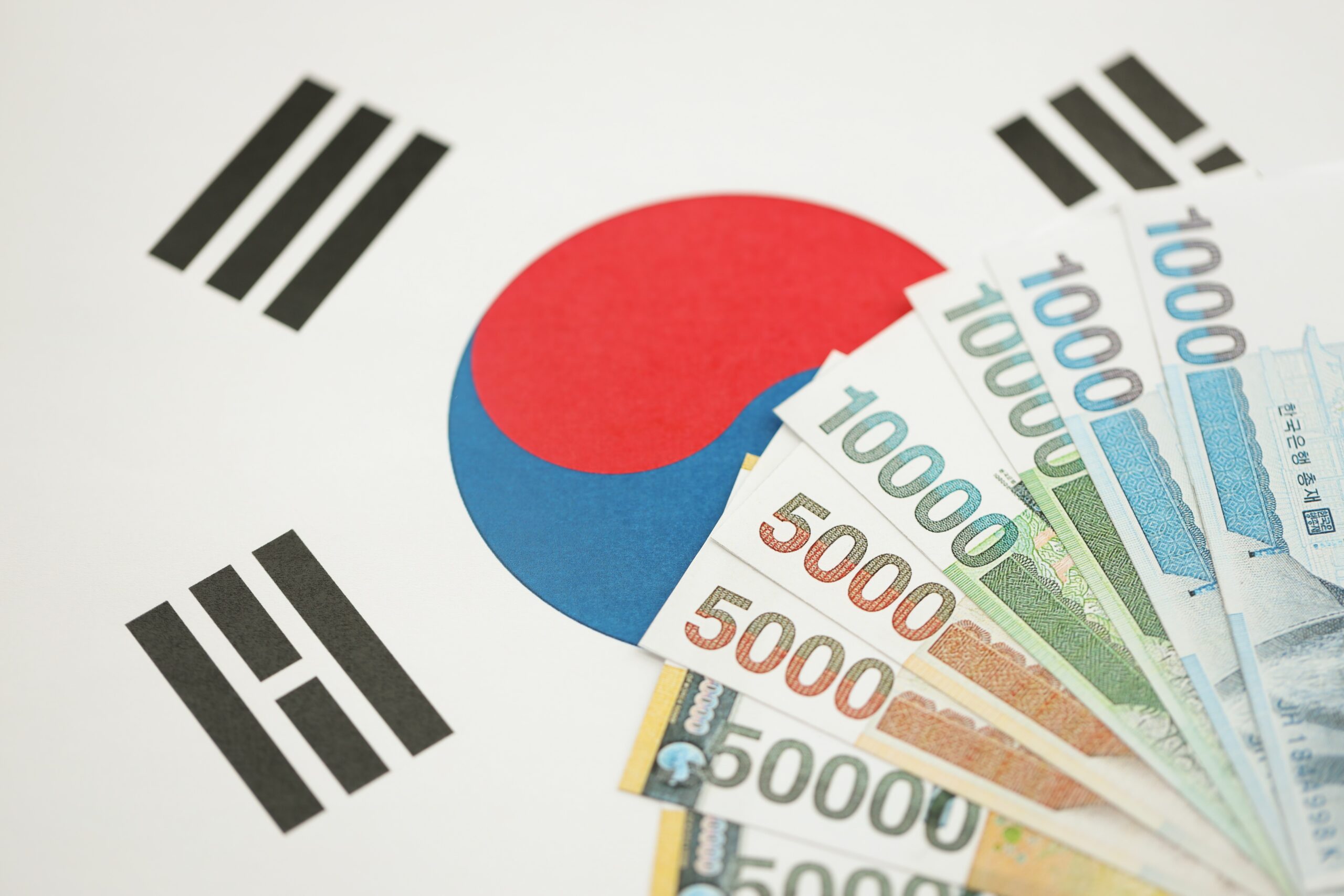
South Korea is grappling with a triple economic challenge: a weakening won, rising inflation, and climbing housing prices, making interest rate cuts increasingly unlikely.
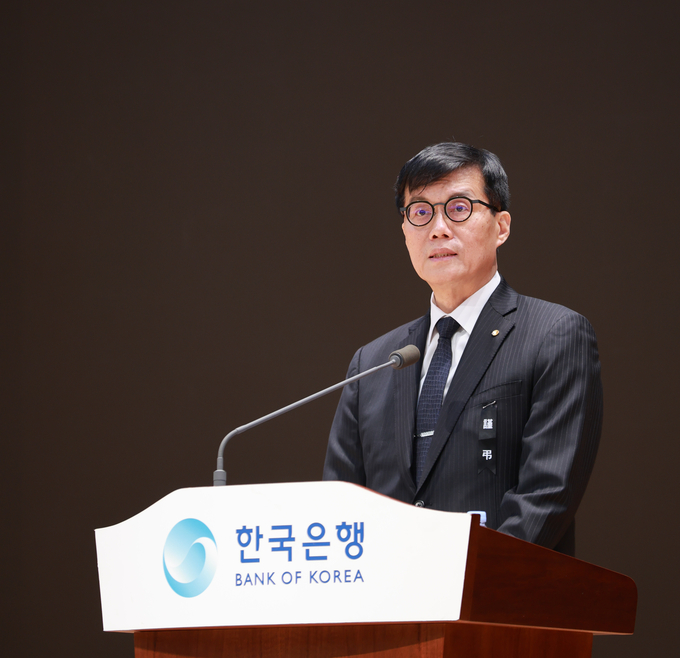
The Bank of Korea’s (BOK) hawkish decision to keep policy rates steady pushed government bond yields higher. In response, the government has cut planned bond issuance to stabilize the market.
Data from the Korea Financial Investment Association’s Bond Information Center showed that the three-year government bond yield surged to 3.013% on Wednesday, up 4.1% from the previous session — marking the highest level this year. This is the first time in more than a year, since July 31 of last year, that the three-year yield has crossed 3%.
The 10-year government bond yield also rose 3.1% to 3.351%. With no prospect of a near-term rate cut, yields on both three- and ten-year bonds have risen more than 50 basis points since September. The jump in the three-year yield, a key benchmark for market rates, has pushed some mortgage rates as high as 6%, adding to the interest burden for households and businesses.
In a move to stabilize the market, the Ministry of Economy and Finance announced plans to issue approximately $3.9 billion in government bonds in December. After issuing roughly $13.2 billion in September, followed by $11.8 billion in October and $10.7 billion in November, the government is sharply cutting issuance for December. Reducing bond supply can lift bond prices and help lower yields.
Analysts expect this cautious environment to persist into early next year. Park Jun-woo, a researcher at Hana Securities, projected that three-year yields could fluctuate between 2.8% and 3.0% through early 2025. However, he noted that if the BOK cuts rates in the second quarter — likely in May — yields would decline ahead of the policy move. The government also anticipates further stabilization once South Korean bonds are included in the World Government Bond Index (WGBI) in April, which could attract foreign capital.