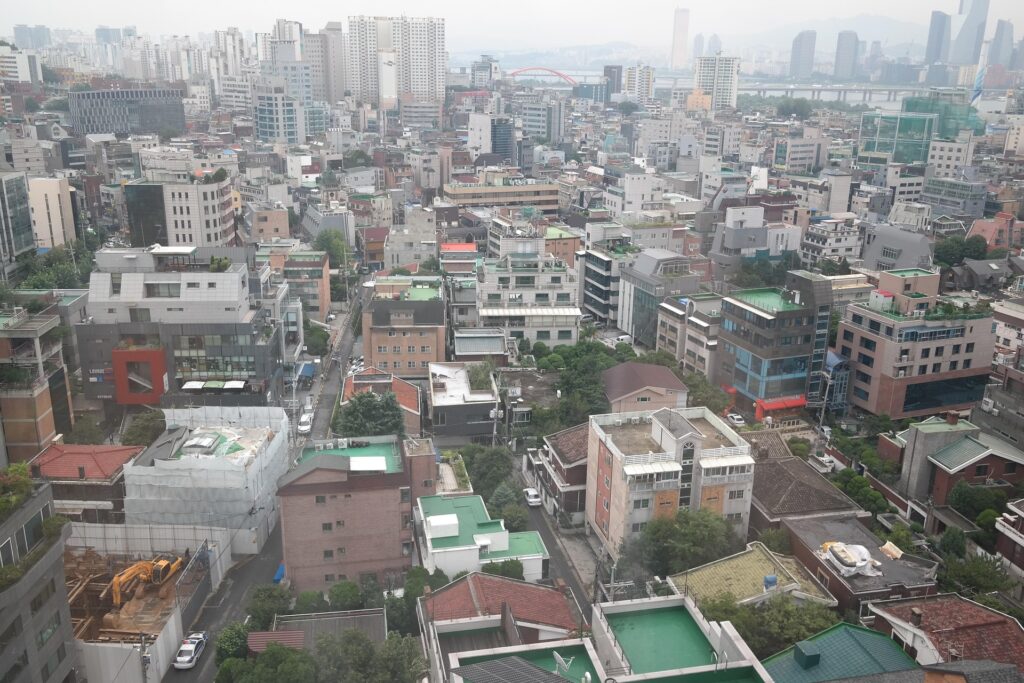
South Korea’s era of ultra-low interest rates is reverberating through its housing market, as mortgage costs climb toward 7% and borrowers who entered during the boom years face a sharp increase in repayment burdens.
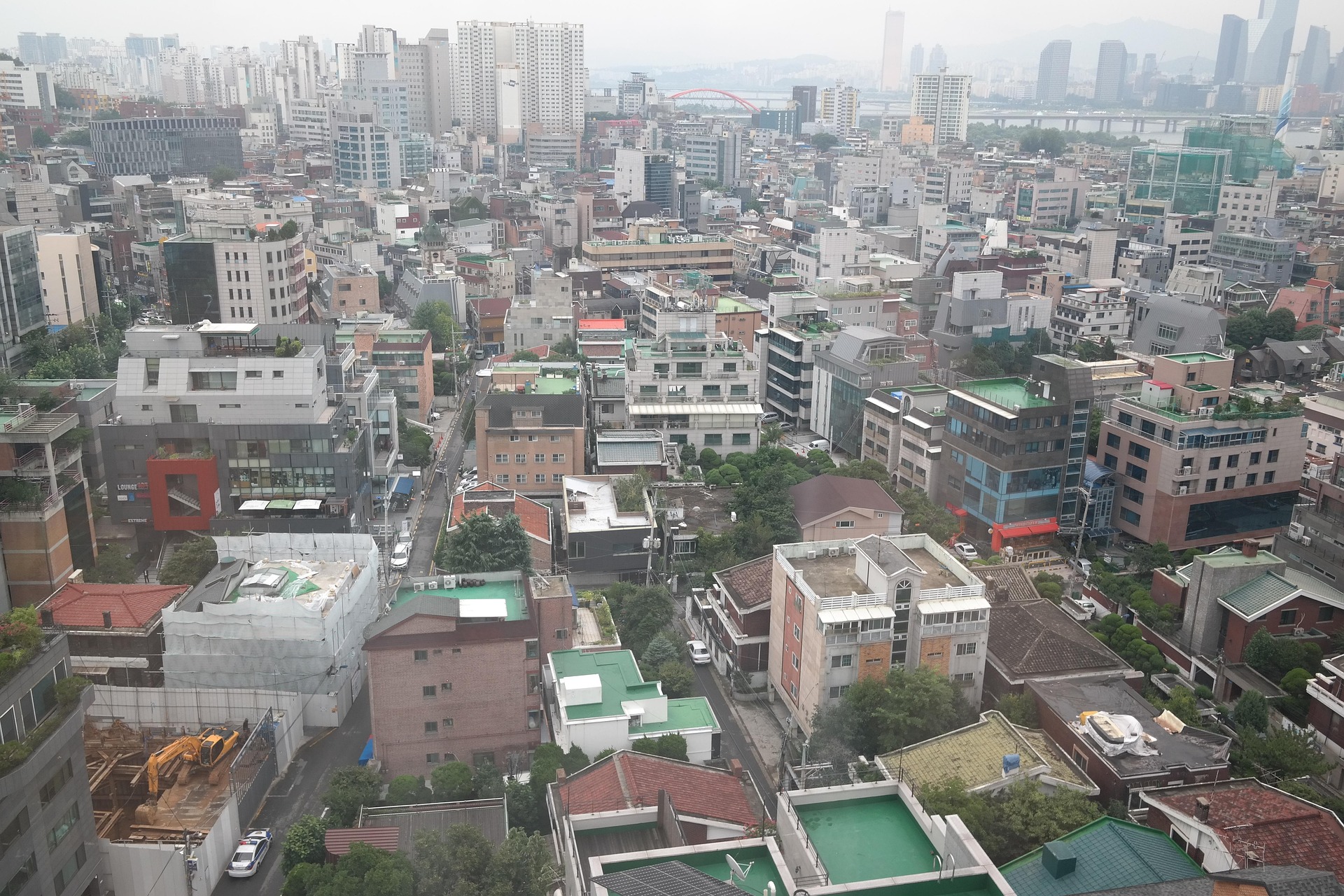
For much of the past decade, cheap credit fueled a surge in home buying, particularly in major cities where property prices rose steadily. Many households took on significant leverage, betting that low borrowing costs would persist and that rising home values would offset the risks.
That assumption is now being tested. Borrowers who secured mortgages at around 2% are confronting rates that have climbed to nearly 7%, in some cases more than tripling their interest burden. The result is a rapid increase in monthly payments, placing growing strain on household finances.
The structure of South Korea’s mortgage market is amplifying the impact. Unlike in the U.S., where long-term fixed-rate loans dominate, a large share of Korean mortgages carry variable rates or reset periodically. As those loans reprice, higher borrowing costs are feeding through quickly to households.
The strain is most pronounced among highly leveraged borrowers. Debt-servicing costs are rising faster than incomes, squeezing consumption and increasing the risk of financial stress. For many households, borrowing decisions made during the low-rate era are now returning as a delayed shock.
Despite the rising burden, demand for variable-rate loans remains strong, driven by their lower initial costs compared with fixed-rate products. The trend reflects both near-term affordability pressures and expectations that rates could stabilize, even as uncertainty persists.
Policymakers are weighing measures to contain the fallout. Options include expanding access to long-term fixed-rate mortgages to reduce exposure to interest-rate volatility. However, relatively higher pricing on such products may limit their near-term adoption.
The implications extend beyond the housing market. South Korea’s elevated household debt levels mean rising repayment costs could weigh on consumer spending and slow broader economic growth. Financial institutions, while more resilient than in previous cycles, are also monitoring for signs of rising delinquencies.
The shift underscores a broader reality: in a highly leveraged economy, the end of easy money can quickly turn a housing boom into a source of vulnerability. As borrowing costs approach 7%, South Korea’s property market is emerging as a test case for how—and how painfully—households adjust to a prolonged period of tighter financial conditions.