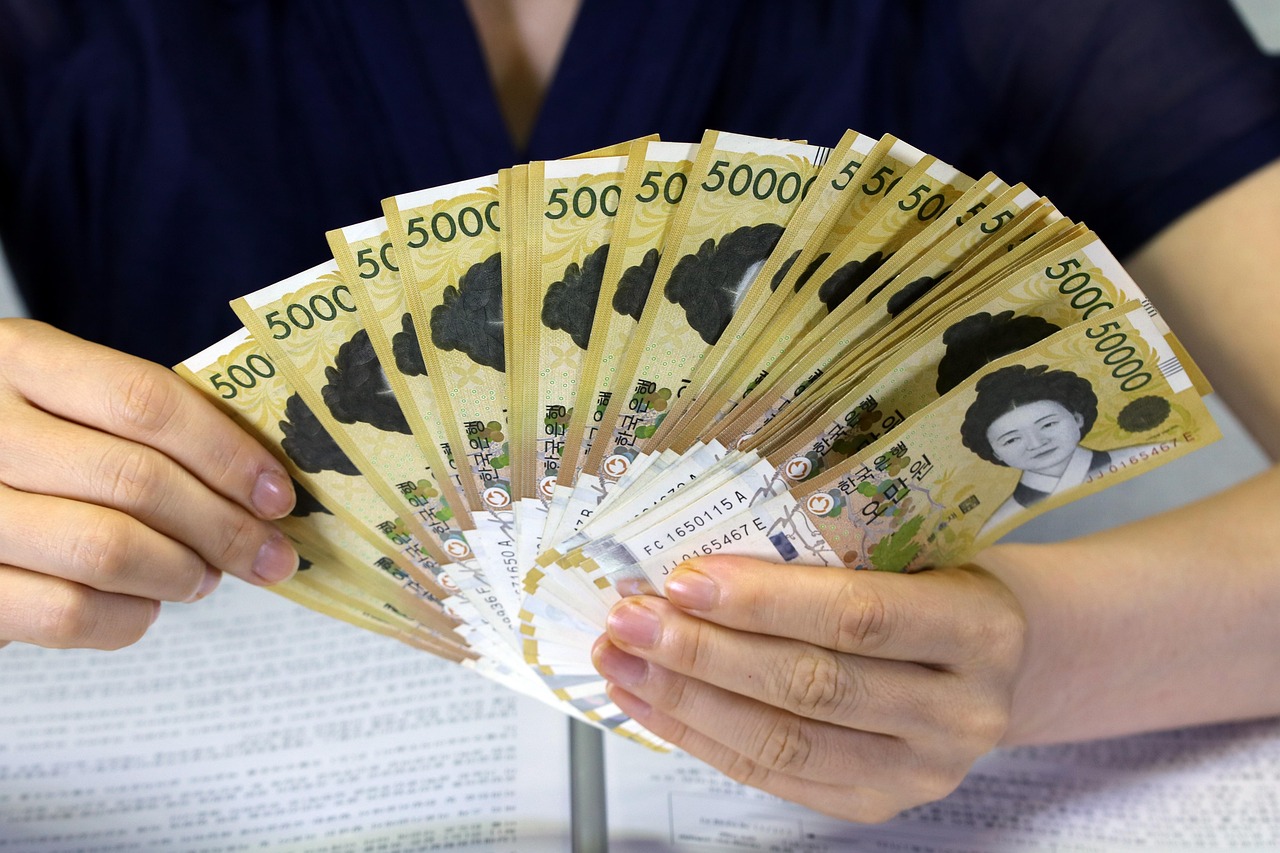
The cost of preparing a traditional Lunar New Year ceremonial table in South Korea rose by more than 4% from a year earlier, underscoring how food inflation remains embedded in household budgets during one of the country’s most important holidays.
In South Korea, Seollal, as the Lunar New Year is known, is a multiday family gathering centered on ancestral rites and shared meals. Because nearly every household buys a similar basket of ingredients at roughly the same time, changes in holiday food prices are widely viewed as a real-world gauge of consumer purchasing power and broader economic conditions.
Data released Feb. 9 by the Seoul Agricultural & Marine Products Corp., a state-run wholesale market operator, showed notable differences depending on where families shop.
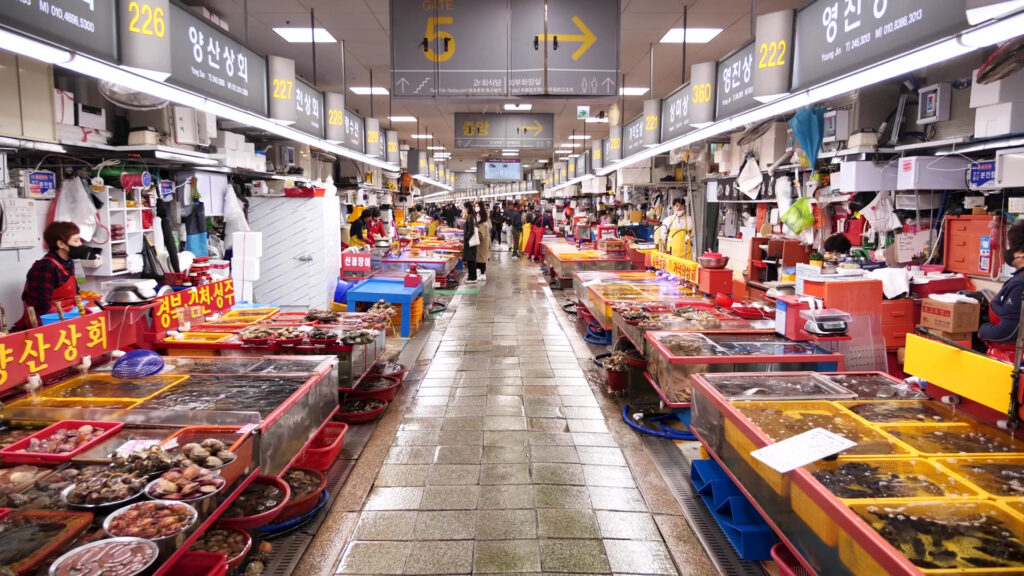
The corporation surveyed prices at 25 locations, including large discount retailers, traditional markets and the Garak Market complex in Seoul, to estimate the cost of purchasing 34 staple items typically used for Lunar New Year rites for a six- to seven-person household.
Shoppers using traditional markets would spend an average of $173, up 4.3% from last year. Those turning to large supermarkets would pay about $201, a 4.8% increase.
Traditional markets tended to offer cheaper dried fruits such as persimmons and jujubes, wild greens, seafood including yellow corvina and pollock, and meats such as beef, pork and chicken. Large retailers were more competitive on apples and pears, as well as processed items including rice wine and sweet rice drink.
Purchases made at Garak Mall, a wholesale-oriented retail complex within the broader Garak Market, averaged $152, down 4.3% from a year earlier. That was 12% lower than traditional markets and 24% below large supermarkets, the survey found.
Garak Mall posted particularly low prices for meat products and dried seafood, while some fruits—including pears and dried persimmons—were also cheaper than at major retailers.
Looking ahead to peak holiday demand, officials said fruit prices should remain relatively stable. Vegetable supplies are expected to be ample, helped by increased output and favorable growing conditions.
Meat prices, however, are likely to stay elevated because of outbreaks of highly pathogenic avian influenza and tighter livestock supply. Seafood could also become more expensive as a weaker currency raises import costs.
The survey was conducted Jan. 29, about two weeks before the holiday, by monitors who visited 16 traditional markets, eight large retailers and Garak Mall in Seoul.
Wholesale price and shipment data for seasonal food items will be posted on the corporation’s website through Feb. 13.
Separately, the corporation said it will run a cashback promotion from Feb. 10 to Feb. 14 to encourage consumption and ease the burden on households. Shoppers who buy domestically produced agricultural and livestock products above a set amount at Garak Mall will receive gift certificates, with the program ending early if funds run out.
“Our priority is to ensure the smooth distribution of agricultural and marine products during the holiday season,” said Moon Young-pyo, the corporation’s president. “We will continue efforts to help stabilize consumer prices.”