South Korea said on March 5 it would import an additional 4.71 million fresh eggs from the United States to stabilize supplies as an outbreak of highly pathogenic avian influenza reduces domestic production.
The Ministry of Agriculture, Food and Rural Affairs said the move is intended to preempt potential shortages following large-scale culling of laying hens during the winter outbreak.
Daily egg production in South Korea is expected to average 47.56 million eggs this month, slightly above typical seasonal levels but 5.8% lower than the same period a year earlier, according to the ministry.
The decline reflects the impact of avian flu. As of March 3, authorities had culled about 9.26 million laying hens to contain the spread of the disease.
Egg prices have already climbed. Data from the Korea Institute for Animal Products Quality Evaluation show the average retail price of a 30-egg carton reached 6,852 won ($5.14) as of March 4, up 5.9% from a year earlier. Prices in some markets are approaching 7,000 won per carton.
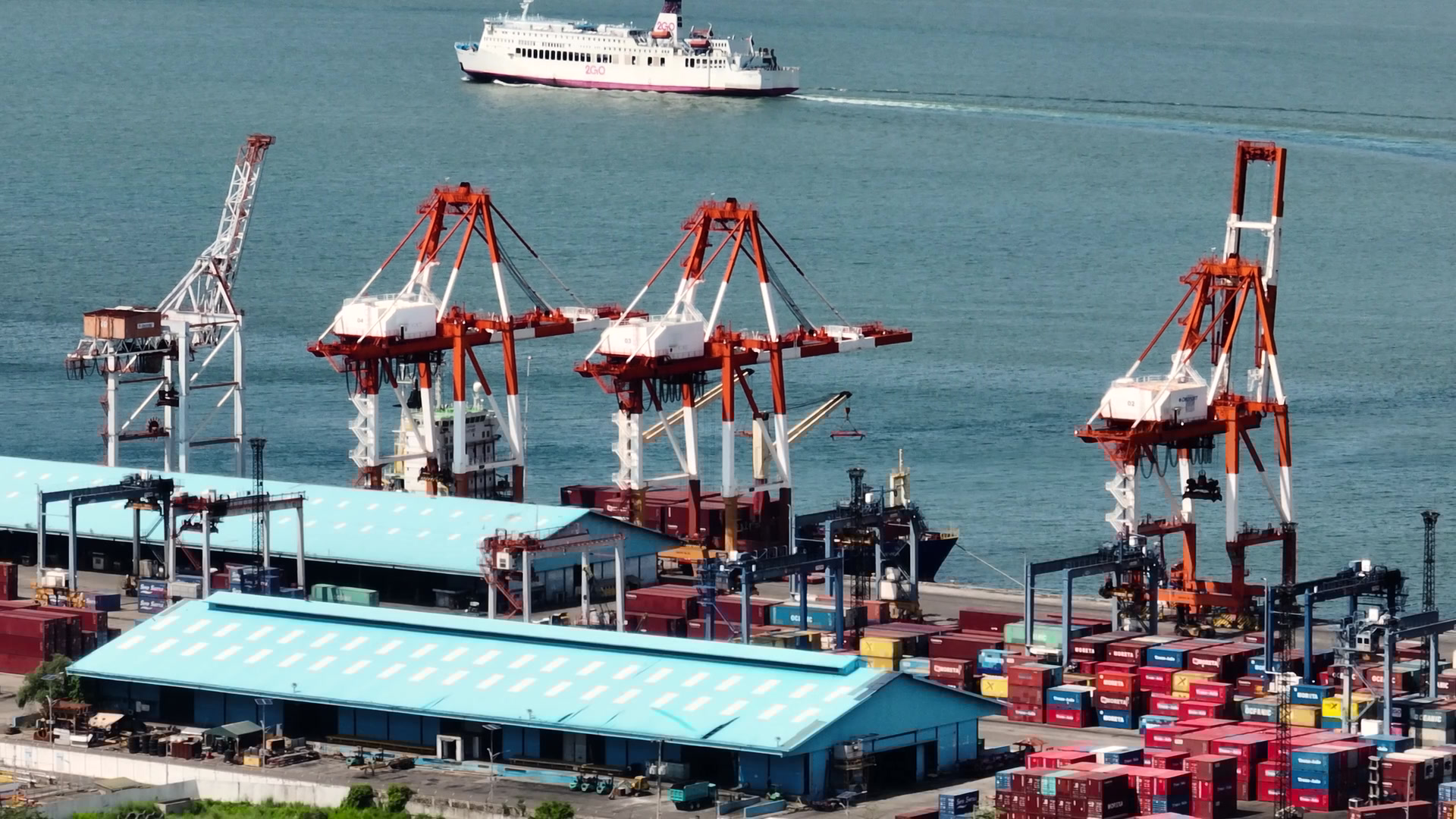
To ease pressure on the market, the government will import the additional eggs through the state-run Korea Agro-Fisheries & Food Trade Corp.
Of the total, 3.36 million eggs will arrive in March, followed by 1.35 million eggs in April, the ministry said. South Korea had already imported 2.24 million U.S. eggs in January as part of earlier stabilization efforts.
Officials said the imports are aimed at preventing supply disruptions ahead of seasonal demand.
“The additional imports are a preemptive measure to stabilize the egg supply as culling linked to avian influenza raises concerns about shortages,” the ministry said in a statement. “The supply will help meet increased demand from school meal programs during the new semester and the peak consumption period around Easter.”
The imported eggs will be distributed through major supermarkets and smaller retail outlets.
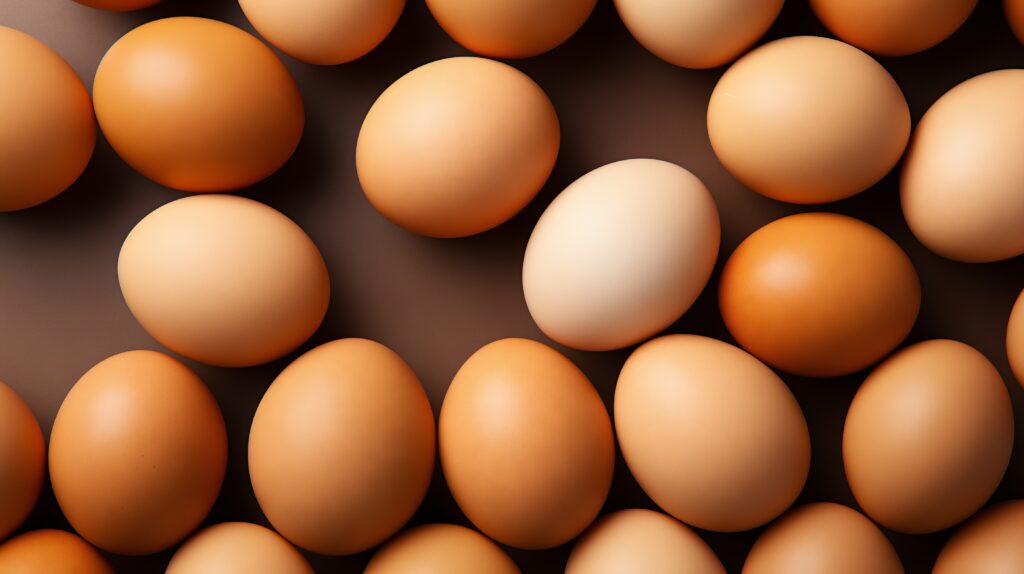
U.S. eggs can also be distinguished visually from most domestically produced eggs, as their shells are typically white, while Korean eggs are often brown.
Labeling standards also differ. Domestically produced eggs carry a 10-digit code indicating the laying date, farm identification number and housing conditions, while imported eggs display a five-digit code indicating the laying date and housing type.
Authorities said the shipments will undergo sanitation checks both in the exporting country and upon arrival in South Korea. The eggs will be washed and disinfected before entering the retail supply chain.