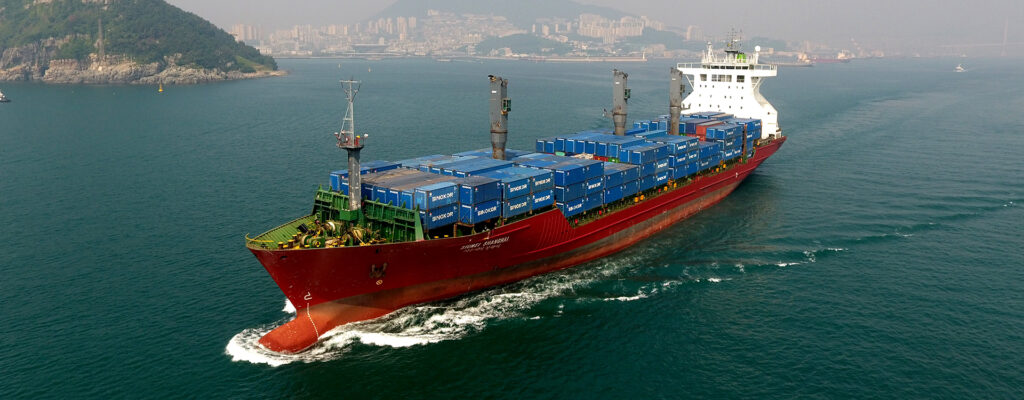
A South Korean shipping company is emerging as an unexpected beneficiary of the global energy turmoil sparked by the Iran conflict after making a large and timely bet on supertankers.
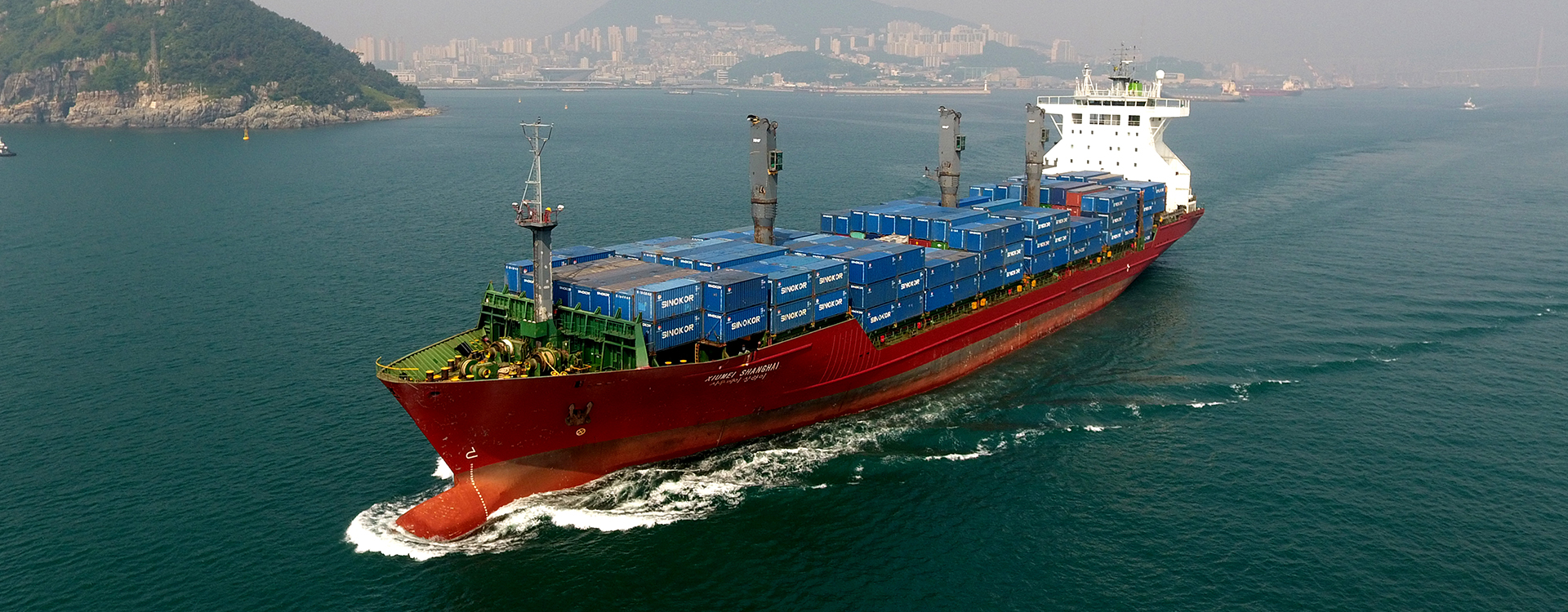
Sinokor Merchant Marine, a mid-sized shipping group based in South Korea and widely known as Sinokor, aggressively expanded its fleet of very large crude carriers, or VLCCs, in the weeks before tensions in the Middle East escalated.
Industry estimates suggest the company now operates roughly 150 supertankers, positioning it as a significant player in the crude shipping market at a time when regional supply chains are under pressure.
A key part of the strategy involved location. In late January, Sinokor moved at least six empty VLCCs into the Persian Gulf, where the vessels remained on standby awaiting cargo.
The positioning proved decisive. On Feb. 28, airstrikes by the U.S. and Israel against Iran led Tehran to effectively block the Strait of Hormuz, a critical corridor for global oil exports.
With crude shipments disrupted, global oil companies suddenly sought additional storage capacity. Tankers waiting in the region quickly became floating storage facilities, sending charter rates sharply higher.
The profitability has been striking. Sinokor is now believed to be earning roughly $500,000 a day for a single tanker charter, about ten times higher than average rates recorded last year.
Shipping costs have also surged. Transporting crude oil from the Middle East to China now costs around $20 per barrel, compared with roughly $2.50 per barrel a year earlier.
At current charter rates, the VLCCs Sinokor purchased earlier this year—at an average price of about $88 million each—could potentially recover their acquisition costs in less than six months if market conditions persist.
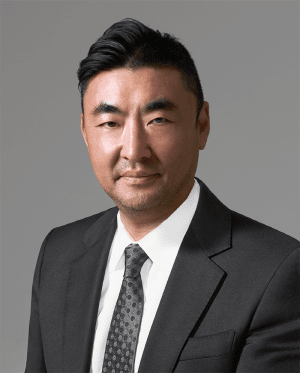
Industry sources say the aggressive tanker acquisition strategy was led by Jung Ga-hyun, a director at Sinokor and the son of the company’s chairman, Jung Tae-soon.
Jung is known in shipping circles as a low-profile executive who rarely appears in public. Despite that reputation, industry officials say he has taken a highly assertive approach to fleet investments.
People familiar with the company say he often communicates directly with operational teams through encrypted messaging platforms, personally overseeing major charter agreements and fleet purchases.
“Accurately reading geopolitical risk and moving quickly to secure vessels was the key to this windfall,” one shipping industry executive said.
As tensions surrounding Iran continue to disrupt global energy flows, the South Korean shipping group has emerged as one of the companies most strategically positioned to benefit from the volatility.