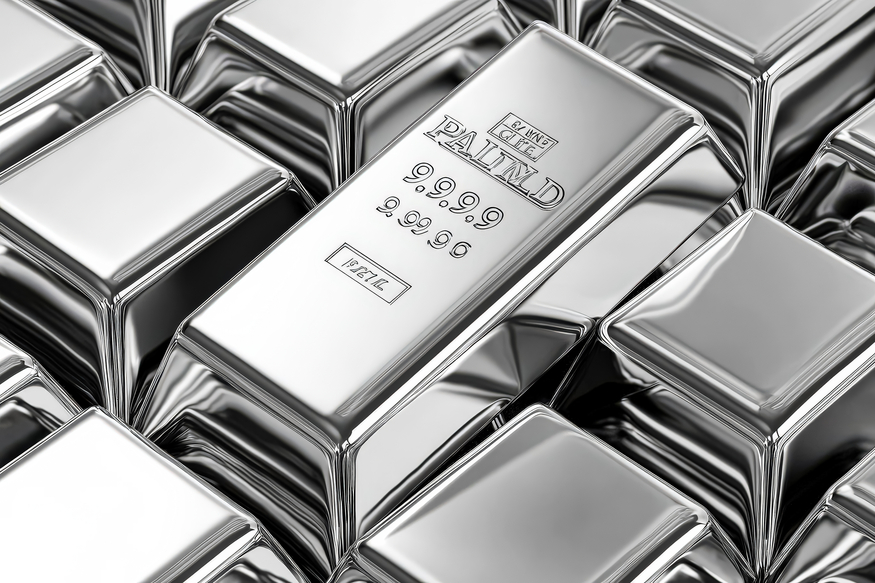
Silver prices have surged to record highs, driven primarily by supply constraints and shrinking inventories, according to Canadian asset management firm Sprott. Other factors contributing to the rise include tariff uncertainties and increased investment in silver-related exchange-traded funds (ETFs).
In its December Metals Report released on Dec. 10, Sprott identified five key factors behind the recent spike in silver prices.
First, supply shortages have played a major role. Sprott noted that silver mine production and recycling rates have remained largely stagnant for more than a decade, while industrial demand — particularly from solar panels and electronics — has continued to grow rapidly. The firm projects that this supply gap will persist over the next five years, with an estimated 125 million ounces of silver deficit this year alone, and a cumulative shortfall of 800 million ounces since 2021.
Second, declining inventories have added pressure to prices. Sprott highlighted that London silver stockpiles have fallen sharply since peaking in 2021, reaching their lowest levels this year. The rapid decrease in inventories has tightened liquidity and increased stress on the physical market, often leading to sudden price swings.
Third, tariff uncertainties have contributed to rising silver demand. Concerns about global trade tensions have driven investors toward silver as a perceived safe-haven asset, pushing prices higher.
Fourth, ETF investments have influenced the market. Sprott explained that while global ETF holdings of silver have declined from previous peaks, a rebound in ETF demand could absorb a significant portion of available silver, further accelerating price gains.
Finally, macro factors such as currency depreciation and heightened geopolitical risks have boosted investment demand for silver. Sprott noted that these factors have played a substantial role in the metal’s recent price increase.
Silver prices reached a record $60.46 per ounce on Dec. 9, doubling the gains seen in gold, which has risen roughly 60% year-to-date. Analysts say the rapid climb reflects both silver’s industrial demand and its appeal as a hedge against economic uncertainty.