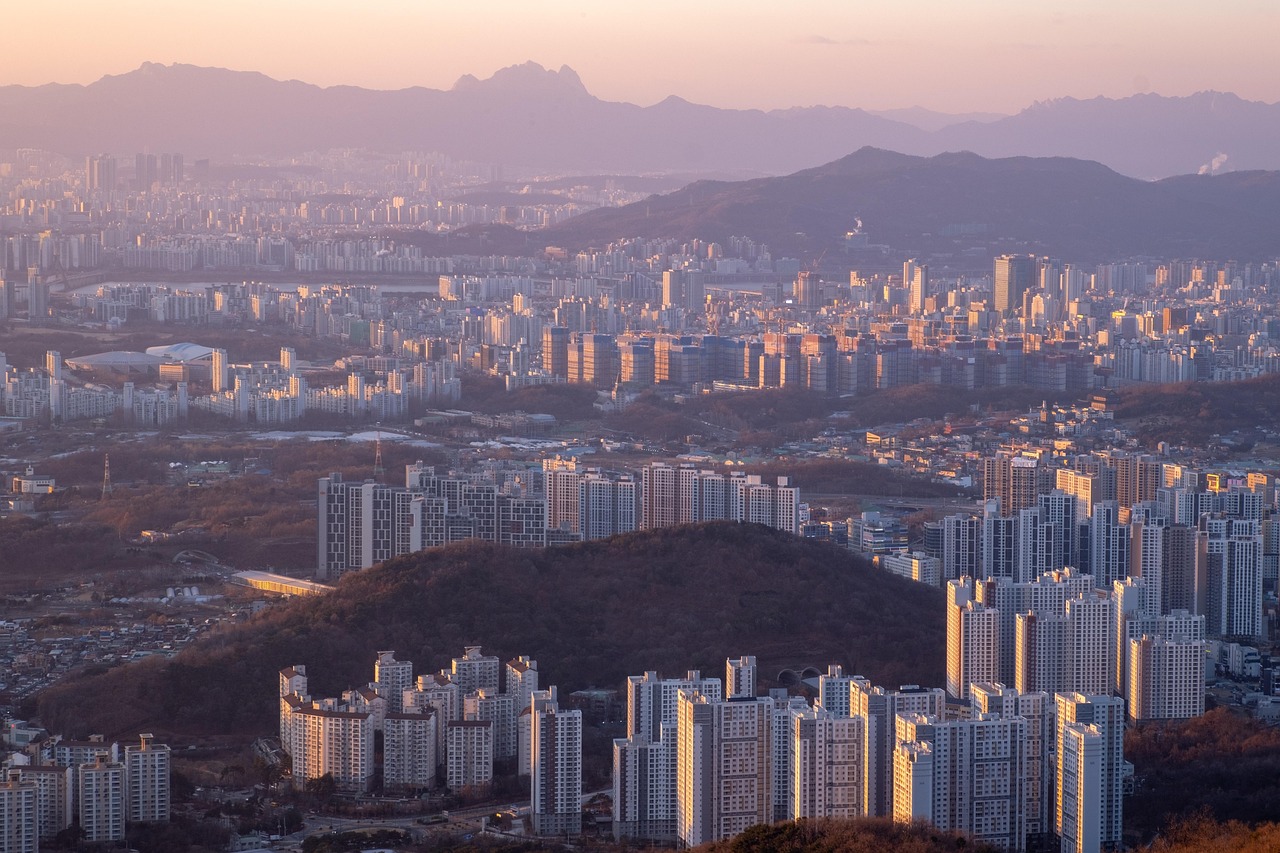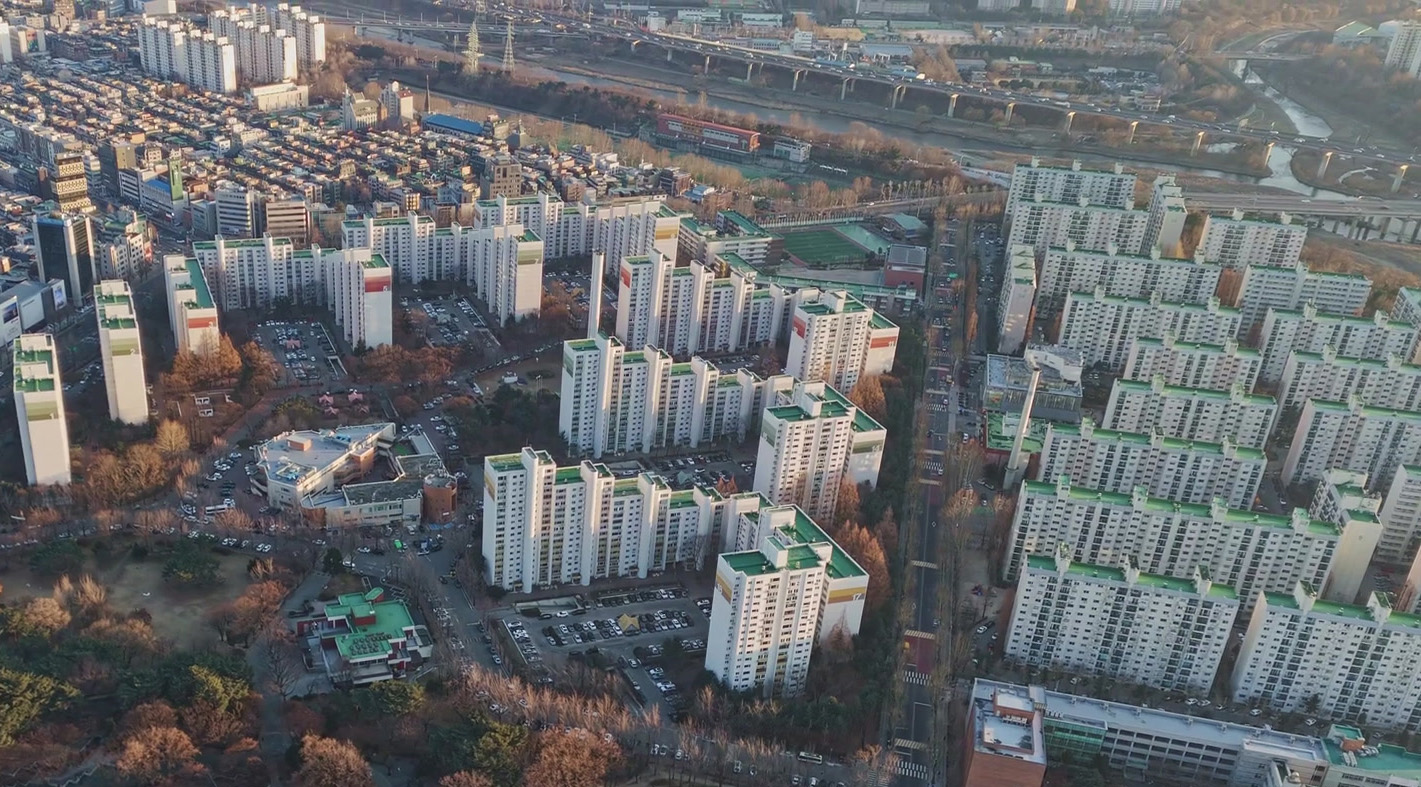
Housing affordability in Seoul has deteriorated sharply, with the income needed to buy or rent a home reaching multi-year highs, according to new industry data.
The figures place South Korea’s capital among the world’s least affordable major cities, alongside global hubs like New York and San Francisco.
Data from KB Real Estate, a primary source of housing market statistics for Korean lenders and regulators, shows a median-income household in Seoul would need 9.7 years of total income to purchase a median-priced home.
Under Korea’s unique “jeonse” rental system—where tenants provide a large, interest-free deposit instead of paying monthly rent—the required median deposit now equals 5.45 years of household income.
The burden is profoundly unequal across income levels. Households in the bottom income tier would need more than 24 years of income to buy a median-priced home, and over 90 years for a high-priced property.
In contrast, top-tier earners would require about 4.5 years for a median home. A national housing affordability index has declined for three consecutive months, pressured by rising prices and sustained high-interest rates.
Analysts project conditions will worsen. Major Korean research institutes forecast home prices in the Seoul metropolitan area to rise 2–3% next year, citing a persistent supply shortage.
Housing starts have fallen sharply for three consecutive years. Apartment completions in Seoul are expected to slump to the low 20,000s next year, far below the long-term annual average of 38,000 units.
The trend mirrors a global pattern in major cities where robust demand converges with constrained supply, pricing out average earners. Market specialists warn that without a significant rebound in construction, affordability in the South Korean capital will likely decline further.