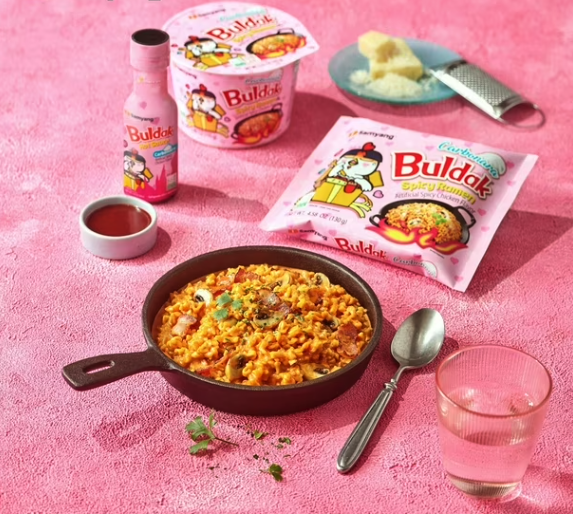
One of South Korea’s most recognizable food exports is moving to formalize its brand identity at home, as copycat products proliferate across global markets.
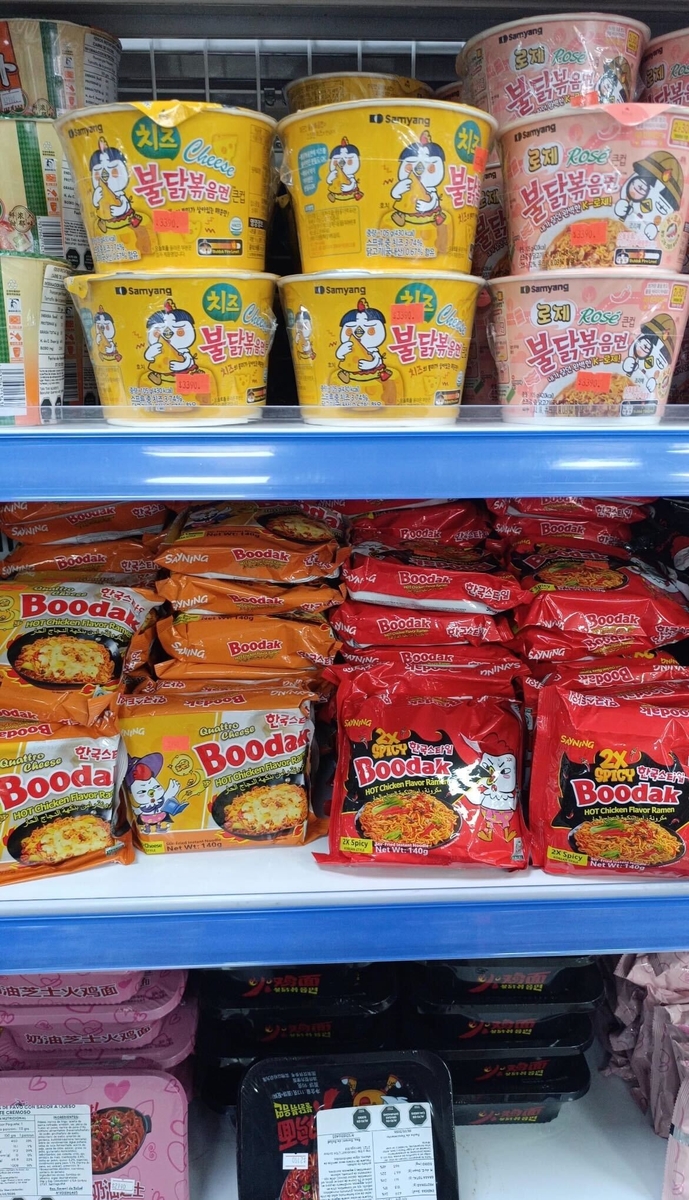
Samyang Foods said it plans to file for domestic trademark registration of the English name “Buldak,” the signature label behind its globally popular spicy noodles. The move reflects a strategic push to protect one of K-food’s most commercially successful brands as imitation products multiply from Asia to Western markets.
The company is expected to submit its application to the Korean Intellectual Property Office within the month, seeking to reinforce legal protection in its home market while strengthening its position in overseas disputes.
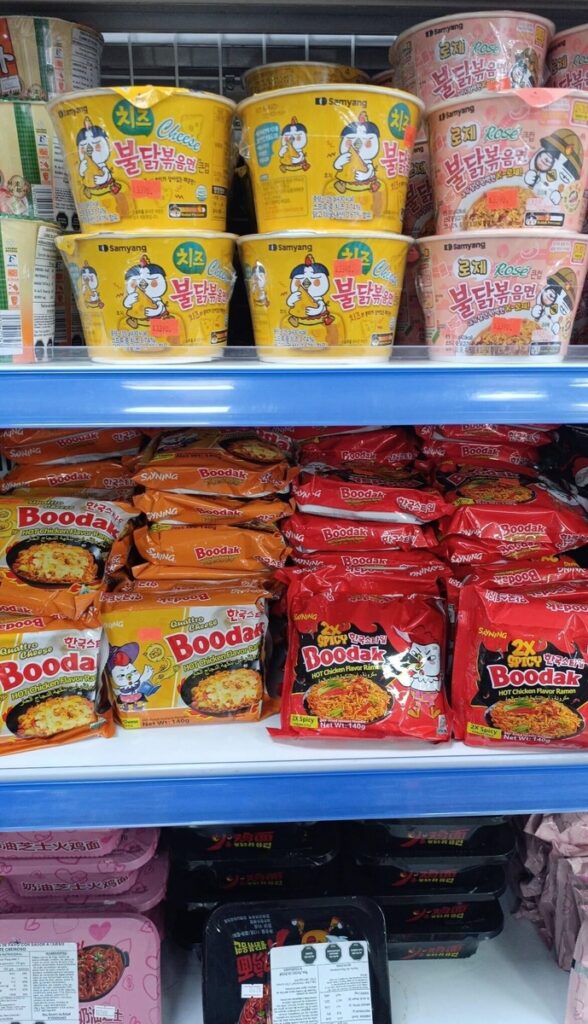
“Buldak” has evolved from a niche Korean flavor into a global food franchise, now sold in 88 countries and widely recognized among younger consumers through social media. That success, however, has also made it a target. Look-alike products—often mimicking packaging, mascots and brand names—have appeared in China, Southeast Asia, the U.S. and Europe, underscoring the limits of brand control in fast-scaling consumer categories.
For Samyang, the challenge is not just commercial but legal. Despite its global footprint, the Korean word “buldak,” meaning “fire chicken,” has historically been treated as a generic term in South Korea, complicating trademark enforcement tied to the original language.
By seeking protection for the English-language version, the company is attempting to establish a clearer legal anchor—one that aligns with how international consumers already perceive the brand.
Executives have framed the move as part of a broader effort to convert viral popularity into durable intellectual property. The company has registered or is pursuing roughly 500 related trademarks worldwide and is currently engaged in disputes in more than two dozen countries.
Industry specialists say the case highlights a broader inflection point for Korean food companies. As K-food gains traction globally, brand equity—once driven largely by novelty and online buzz—is increasingly becoming a legal and financial asset that must be actively defended.
“Recognition alone is no longer enough,” said one intellectual-property expert. “The question is whether that recognition can be secured in a way that holds up across jurisdictions.”
The stakes are rising as global demand for Korean products expands beyond niche channels into mainstream retail and food-service networks. In that environment, even small gaps in trademark protection can open the door to dilution, particularly in markets where enforcement is uneven.
For Samyang, securing the “Buldak” mark domestically may carry significance beyond Korea. A registered home-market trademark can strengthen claims abroad, reduce litigation friction and provide a clearer framework for licensing, partnerships and expansion.
More broadly, the company’s move signals how South Korea’s food exporters are entering a new phase—one in which protecting what they have built may be as important as growing it.