
A new Samsung Electronics smartphone is commanding up to $7,000 on resale sites in South Korea, a premium of more than 200% over its sticker price. But the eye-popping price tags are highlighting a strategic dilemma for the tech giant: how to turn cutting-edge innovation into a sustainable business.
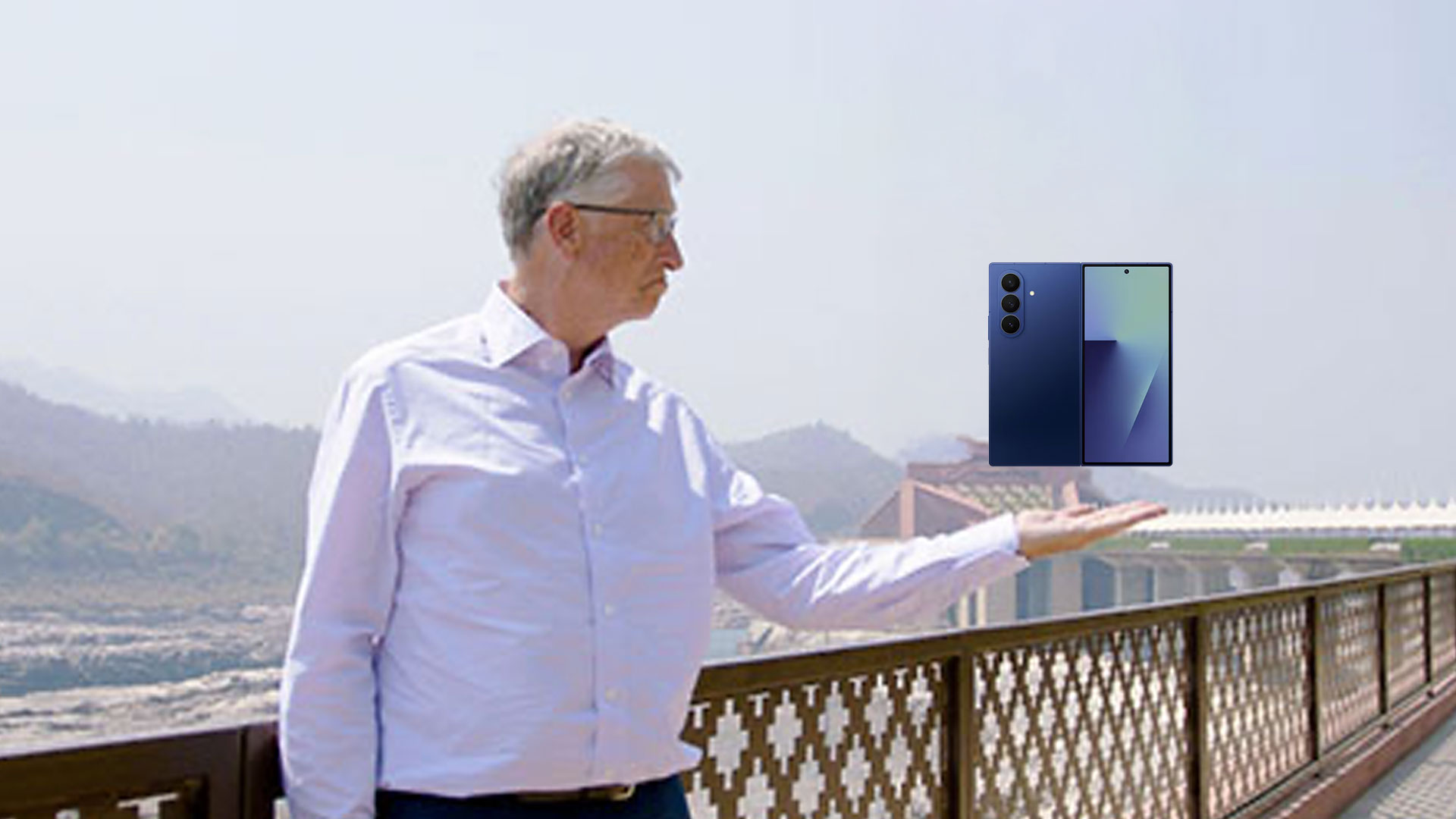
The object of the frenzy is Samsung’s recently released tri-fold foldable phone, which sold out in minutes. Limited to a few thousand units in its home market, the device’s scarcity has fueled a speculative aftermarket, with listings quickly multiplying on Korean auction sites.
For Samsung, however, the resale bonanza offers little cause for celebration. Industry analysts say the company’s ultra-tight initial production run—global shipments are estimated at just 20,000 units—means it captures little of the secondary-market premium. Instead, the phone serves primarily as a high-cost research project and a branding exercise.
“This device is a statement piece, not a profit center,” said Park Sung-soon, an analyst at Seoul-based Cape Investment & Securities. “The resale market reflects artificial scarcity, not healthy product demand or manufacturing margins.”
The tri-fold phone, featuring multiple flexible OLED screens and a flagship processor, is expensive to produce. Component and assembly costs are high, and its complexity reportedly excludes it from Samsung’s standard warranty program, with screen repairs alone costing over $1,200.
The launch comes as Samsung’s mobile division faces significant headwinds. Global smartphone demand is muted, competition from Chinese rivals like Xiaomi and Honor is intensifying, and upgrade cycles are lengthening. In this environment, the tri-fold model is seen less as a near-term revenue driver and more as a bid to cement Samsung’s image as an innovator in the stagnant foldable segment.
“Samsung is playing a long game, defining what’s possible before the market is ready to pay for it at scale,” said Mark Newman, a senior analyst at Sanford C. Bernstein. “The risk is that these halo products remain niche if costs can’t be brought down dramatically.”
Samsung has indicated it will release additional batches through select channels but has not committed to mass production. For now, the phone’s most notable impact may be in generating buzz—a valuable but intangible currency in a hyper-competitive market.
The episode underscores a persistent challenge for technology leaders: the gap between dazzling prototypes and profitable products. As one Seoul-based fund manager put it, “Innovation gets headlines. But shareholders want earnings.”