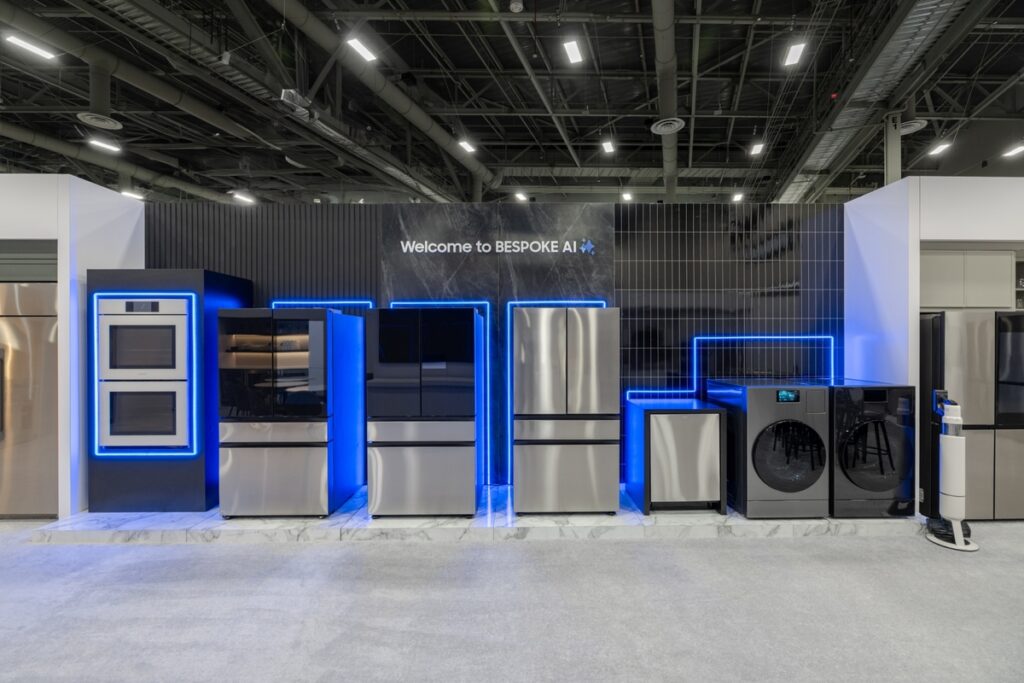
Samsung Electronics is extending its early-year offensive in the U.S. home-appliance market, moving from the gadget spectacle of CES to the industry-heavy aisles of the Kitchen & Bath Industry Show, as the company works to translate technology buzz into retail and builder relationships.
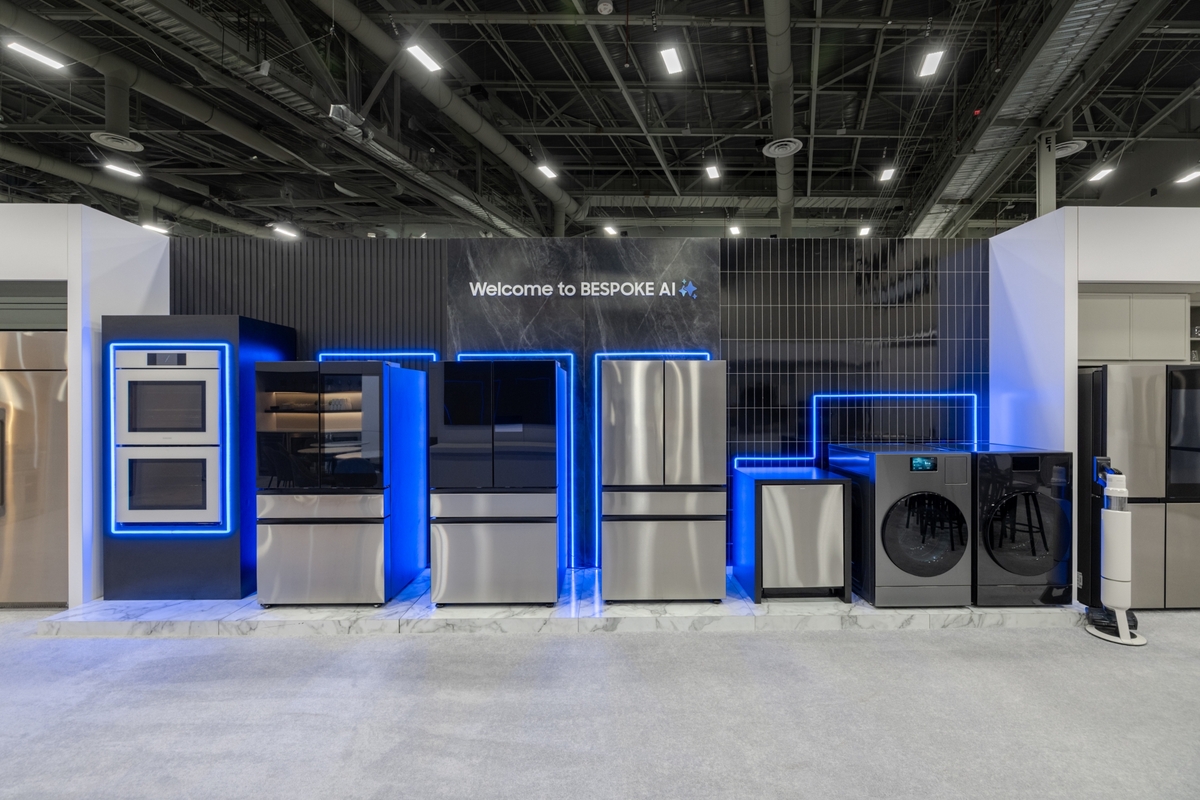
Fresh off a broad showcase in Las Vegas, the South Korean company said it will present an expanded lineup of Bespoke AI appliances and luxury built-in products from its Dacor brand at KBIS 2026, scheduled for Feb. 17–19 in Orlando, Fla. The appearance underscores how aggressively Samsung is pursuing North America, the world’s most profitable premium-appliance arena.
If CES is where brands shape consumer perception, KBIS is where they court the contractors, designers and distributors who determine what ultimately gets installed in American homes. By maintaining a visible presence at both, Samsung is signaling it wants influence across the entire purchasing chain.
At the center of the strategy is artificial intelligence—less as a futuristic talking point and more as a practical feature set meant to differentiate refrigerators, ovens and laundry machines in a mature market.
Samsung plans to highlight its Bespoke AI Family Hub refrigerator, equipped with internal cameras and food-recognition software branded as AI Vision. This year the system incorporates Google’s Gemini model, broadening its ability to identify items and recommend usage. The company will also display connected cooking appliances and an AI-enabled washer-dryer designed to integrate ventilation and space efficiency, priorities in many U.S. homes.
Alongside the smart lineup sits Dacor, the California-based luxury marque Samsung has been nurturing as its bridge to high-end kitchen projects. Rather than competing on visible technology, Dacor emphasizes minimalism: column-style refrigeration, concealed installations and materials intended to blend into cabinetry.
The dual approach—tech-forward mass premium under Bespoke and architectural discretion under Dacor—illustrates Samsung’s attempt to cover multiple layers of the market at once.
The timing is important. Korean brands, buoyed by rising cultural visibility and strong export momentum, are increasingly investing in permanent infrastructure and distribution networks in the U.S. Appliances represent a particularly strategic category because success tends to lock in long replacement cycles and brand loyalty among homeowners and developers.
For Samsung, deeper penetration could also help offset softer demand in other regions and intensifying competition from Chinese manufacturers at the entry level.
Industry executives say trade events such as KBIS have become critical battlegrounds. Large-scale housing developments, remodeling firms and design studios often use the exhibition to set purchasing templates that ripple across thousands of units. Winning those partners can matter as much as winning individual shoppers.
Samsung’s repeated appearances on major U.S. stages this winter therefore amount to more than marketing. They are part of a sustained effort to be viewed not as a foreign supplier but as a default participant in the American appliance ecosystem.
After years of competing primarily on price and features, the company is now competing on presence.
Whether that visibility converts into lasting market share will depend on how builders and consumers respond once the showroom lights dim. But by moving quickly from CES to KBIS, Samsung is making clear it has little intention of yielding ground in a market it considers essential to its global ambitions.