
South Korea is seeking earlier and prioritized access to NVIDIA’s next-generation Vera Rubin graphics processing units, reflecting intensifying global competition for advanced AI computing capacity amid constrained supply of high-end chips.
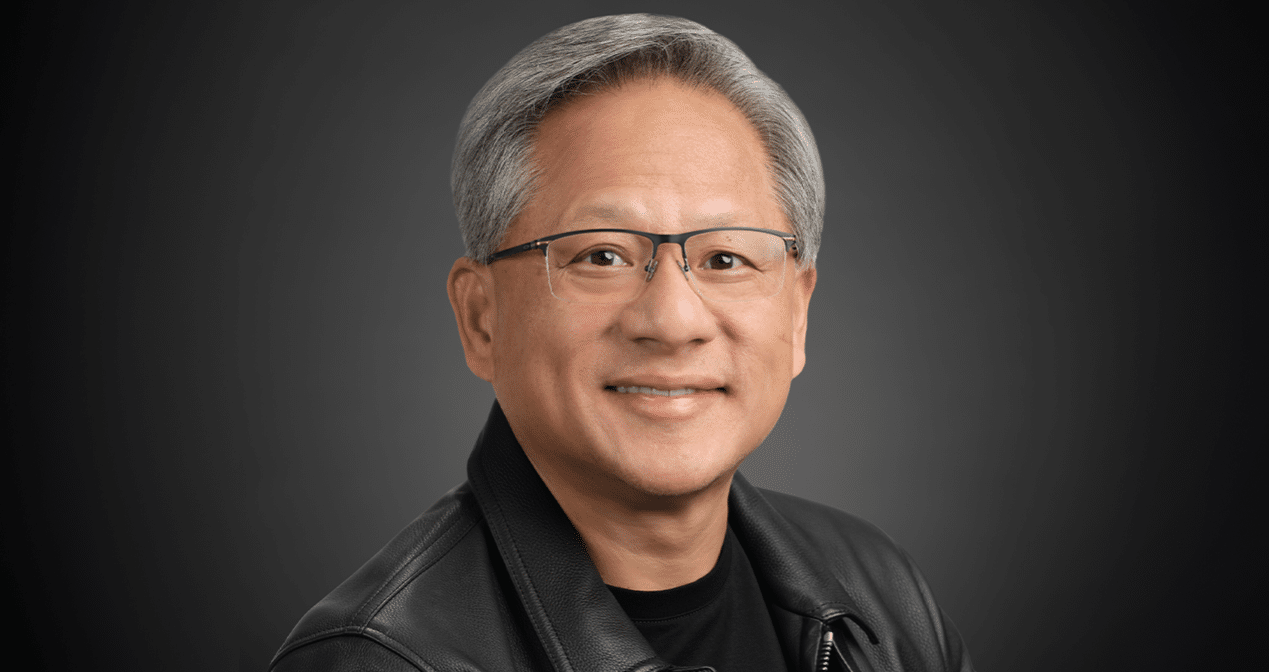
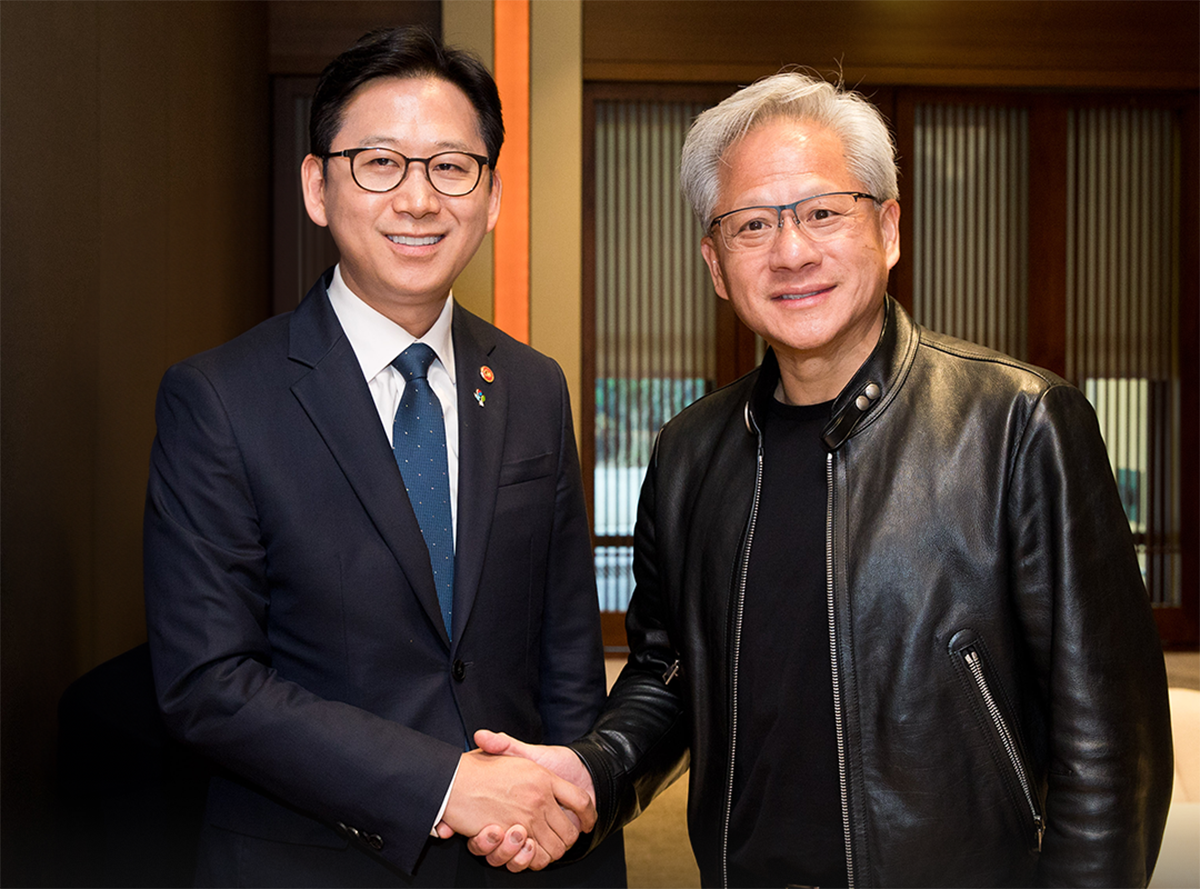
The request was outlined by Deputy Prime Minister and Minister of Science and ICT Baek Hyeong-hoon ahead of a scheduled meeting with Jensen Huang at a Korea AI reception hosted by the company in Seoul on Tuesday.
Baek said discussions with NVIDIA would focus on stabilizing GPU supply and expanding South Korea’s artificial intelligence infrastructure, which the government is framing as a transition toward large-scale “AI factory” systems built around high-performance computing clusters.
He said South Korea expects shipments of NVIDIA’s B300 GPUs to proceed on schedule, but that deliveries of the newer Vera Rubin chips could face delays, prompting Seoul to seek priority allocation for the latest generation hardware.
The government said it is currently discussing procurement volumes of roughly 7,000 B300 units and fewer than 3,000 Vera Rubin GPUs, with the goal of securing supply within the year.
The talks reflect broader efforts by South Korea to secure a stronger position in NVIDIA’s global allocation pipeline, as the company’s AI accelerators have become central infrastructure for generative AI development and increasingly scarce amid surging demand from governments and technology firms.
The engagement builds on commitments made during the APEC Summit, where both sides discussed large-scale GPU supply cooperation involving more than 260,000 units as part of long-term AI infrastructure planning.
Beyond chip procurement, Baek said cooperation with NVIDIA is expected to extend into building gigawatt-scale data centers and integrated AI “factories” that require coordination across power supply, industrial capacity and computing deployment.
South Korean officials are also working with energy authorities on long-term electricity planning to support rapid expansion of AI data centers and are considering dedicated pricing structures for large-scale computing facilities, as demand for power-intensive AI infrastructure accelerates.