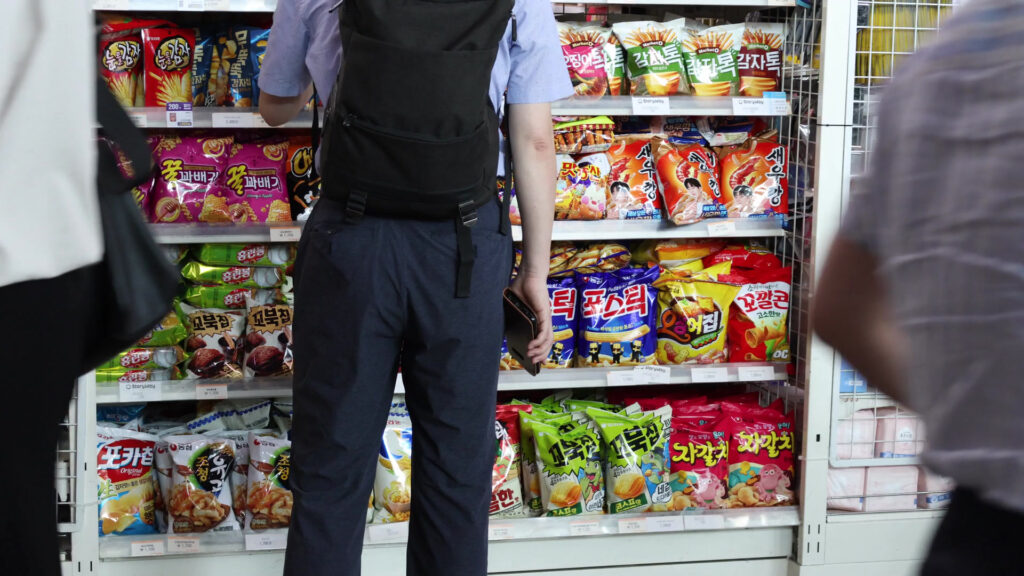
South Korea’s packaged food makers are accelerating their expansion beyond Southeast Asia, gaining shelf space in U.S. and European supermarkets as global demand for convenient, ready-to-eat meals continues to rise.
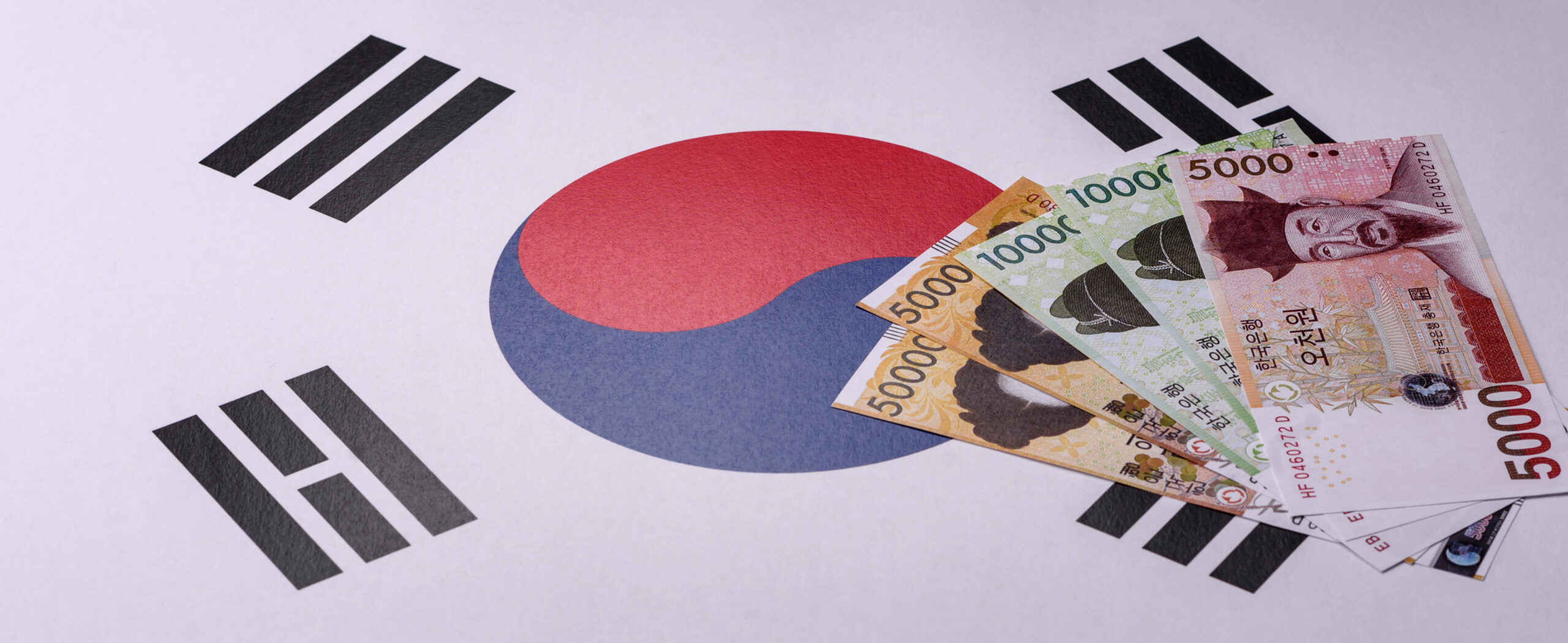
Government data released Friday showed South Korea’s food exports rose 4% in the first quarter from a year earlier to $2.5 billion, driven largely by processed products such as instant noodles and snacks.
Government data released Friday showed South Korea’s food exports rose 4% in the first quarter from a year earlier to $2.5 billion, driven largely by processed products such as instant noodles and snacks.
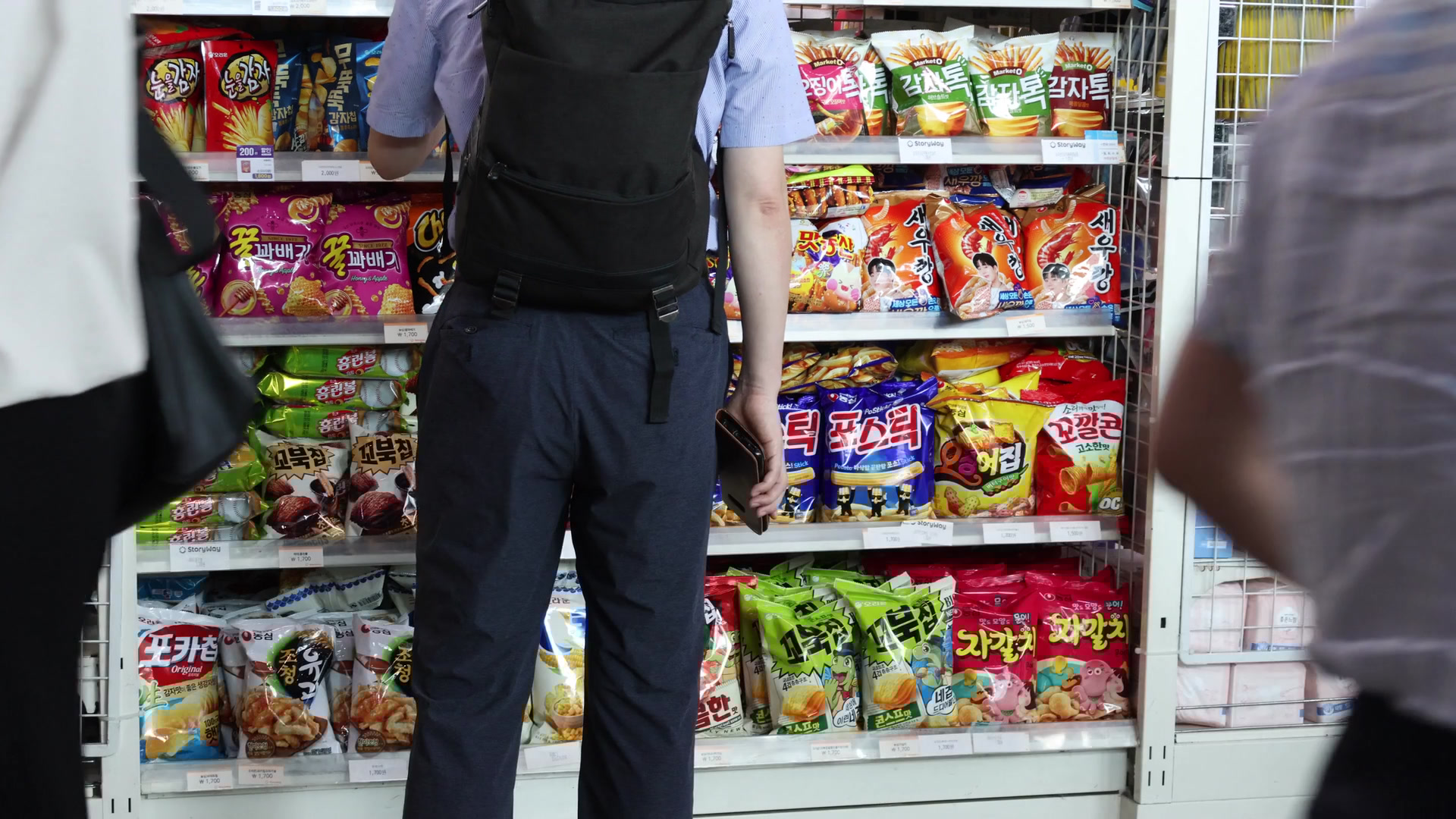
Instant noodles led the growth, with shipments jumping 26% to $435 million, underscoring their appeal as a low-cost, easy-to-prepare option in markets grappling with higher food prices and time-constrained consumers. Packaged snacks also performed strongly, rising 11% to $194 million.
In North America, demand has been building for ready-to-eat rice and frozen fried rice as households seek faster meal solutions. Korean brands have responded by scaling up distribution and adapting products to local tastes, helping to drive deeper market penetration.
Europe is also emerging as a growth market, with rising interest in global cuisines and convenience foods supporting sales. Plant-based ice cream products, in particular, have gained traction in Canada and parts of Europe, where stricter dairy import regulations can create openings for alternative offerings.
While Southeast Asia remains an important market, growth momentum is increasingly being driven by Western economies. Shipments to the Middle East and China have also remained resilient, supported by strong demand for imported packaged foods and established brand recognition.
Other categories, including beverages and rice-based products, posted gains alongside instant noodles and snacks, reflecting a broader shift toward shelf-stable and easy-to-prepare food options.
The export push comes as companies navigate rising logistics costs and currency volatility linked to prolonged tensions in the Middle East, which have disrupted shipping routes and driven up energy prices.
Seoul has pledged to expand support for exporters, including logistics assistance and buyer-matching programs, as food companies look to diversify markets and offset rising costs.
For South Korea’s food industry, the strategy is clear: build on its strength in convenience foods to capture a growing share of global demand—well beyond its traditional markets in Asia.