Korea’s latest waste-to-energy results may feel distant to Americans, but they land at a moment when the United States is struggling with how to handle rising waste volumes, shrinking landfill space, and the political fight over whether waste-to-energy should play a larger role. Korea’s ability to recover the energy equivalent of what about 110,000 people use in a year shows how another advanced economy is extracting more value from waste streams that the U.S. still largely buries.
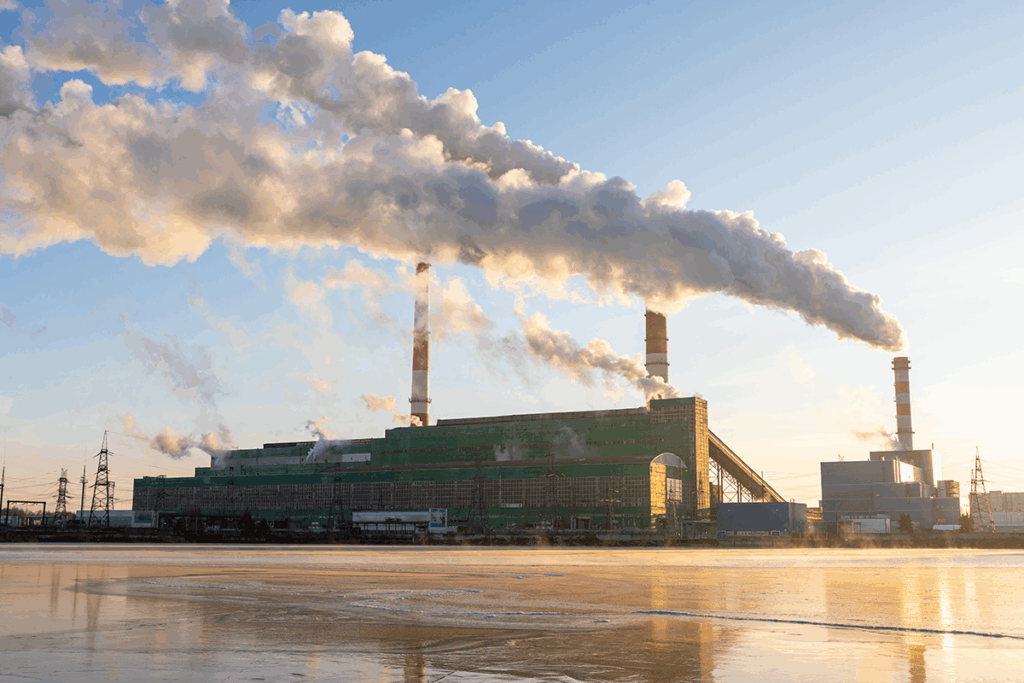
Korea’s National Institute of Environmental Research said it is releasing updated rules for how incineration plants must measure and report energy-recovery efficiency, tightening calculation methods and adding technical requirements for pyrolysis systems, high-temperature melting units, and measurement-device maintenance. The goal is to push operators toward consistently higher recovery rates, backed by financial incentives through reduced waste-disposal fees.
Korea’s 51 incineration plants collectively captured roughly 25 million MMBtu of usable energy this year by converting combustion heat into steam, hot water, or electricity.
While the figure reflects domestic policy priorities, it also illustrates the scale of recoverable energy that U.S. cities often leave untapped. More than half of America’s waste still goes to landfills, and efforts to expand or modernize waste-to-energy facilities routinely face local opposition over air-quality concerns. Korea’s results highlight how stricter efficiency standards and clearer national oversight can shift the balance between waste management and energy production, offering Americans a comparison point as policymakers debate how far the U.S. should push the technology.