Foreign ownership of homes in South Korea has crossed a new threshold, a shift gaining attention in the United States because Americans now make up the largest share of foreign landholders in the country.
Newly released data from South Korea’s Ministry of Land, Infrastructure and Transport shows how American and Chinese buyers are shaping different segments of the market as the government moves to tighten rules on overseas property purchases.
Foreigners owned 104,065 homes as of June 2025, a 3.8% increase from six months earlier. Although foreign-owned homes still represent just 0.53% of the national housing supply, the breakdown by nationality stands out.
Chinese nationals hold 59,000 units, more than half of all foreign-owned homes, reflecting their concentration in residential purchases. Americans, meanwhile, dominate land ownership, accounting for 53.3% of all foreign-held land in South Korea, a pattern tied to commercial and industrial activity in and around the Seoul metropolitan region.
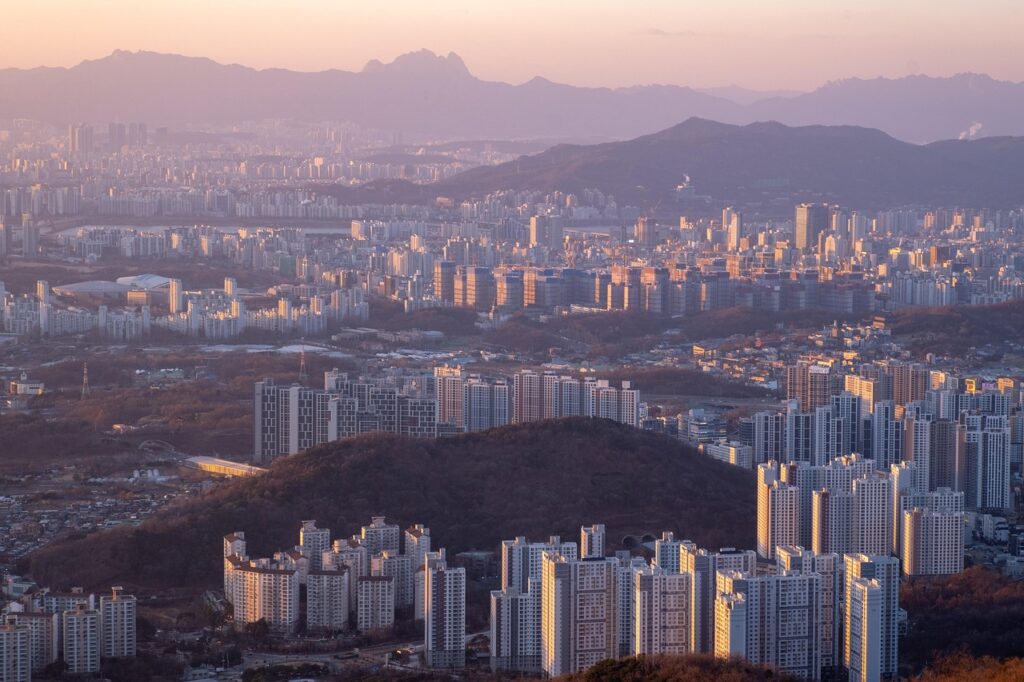
Roughly 76,000 foreign-owned homes are located across greater Seoul, including major clusters in Gyeonggi Province, Seoul and Incheon.
Much of this activity is concentrated in industrial satellite cities surrounding the capital, where logistics and manufacturing hubs attract long-term foreign residents and corporate-linked investors.
Foreign-held land totaled 66,300 acres, up 0.15% from late last year, though growth has slowed compared with the previous reporting period.
Nearly two-thirds of that land is classified under nonresidential use, factory sites account for 22%, and residential plots for 4.3%. More than half is owned by ethnic Koreans holding foreign citizenship.
In August, South Korea’s government designated nearly all of Seoul—along with most surrounding municipalities in Gyeonggi and several districts in Incheon—as areas requiring approval for foreign land transactions.
Officials say the new restrictions are expected to ease the pace of foreign land and housing ownership toward the end of the year as tighter oversight takes hold in the country’s most in-demand regions.