The fallout from the Iran conflict is disrupting critical maritime routes and forcing manufacturers to rethink how goods move across continents, underscoring how geopolitical tensions are reshaping global trade flows.
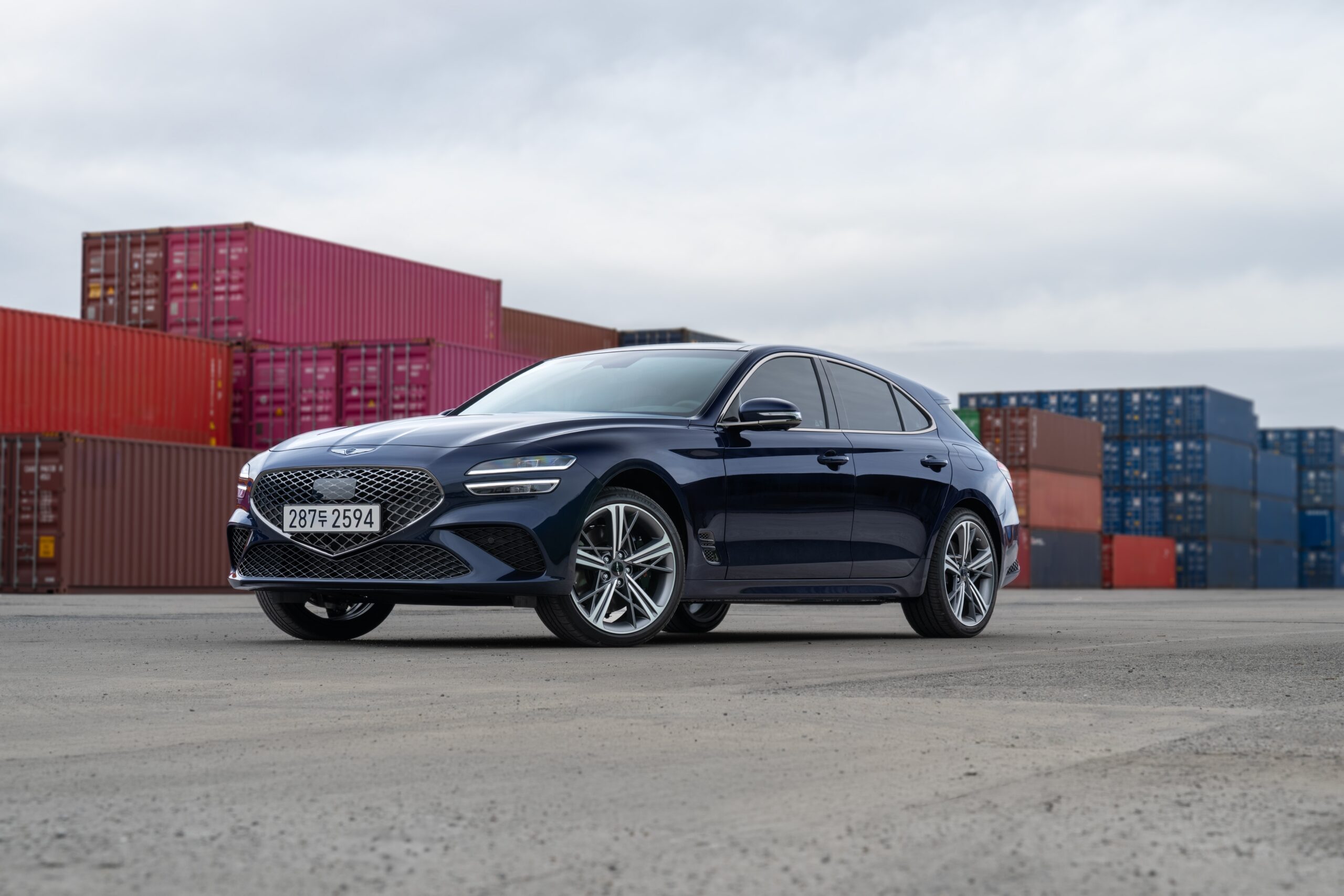
Among those adjusting is South Korea’s Hyundai Motor Company, one of the world’s largest automakers, which has begun rerouting key parts shipments from Asia to Europe around Africa’s Cape of Good Hope. The move avoids heightened risks tied to Middle Eastern shipping lanes but significantly extends delivery times and raises logistics costs.
The shift highlights a broader transformation already underway in global manufacturing. After years of optimizing for speed and efficiency, companies are increasingly redesigning supply chains to withstand disruption, even if that means slower and more expensive operations.
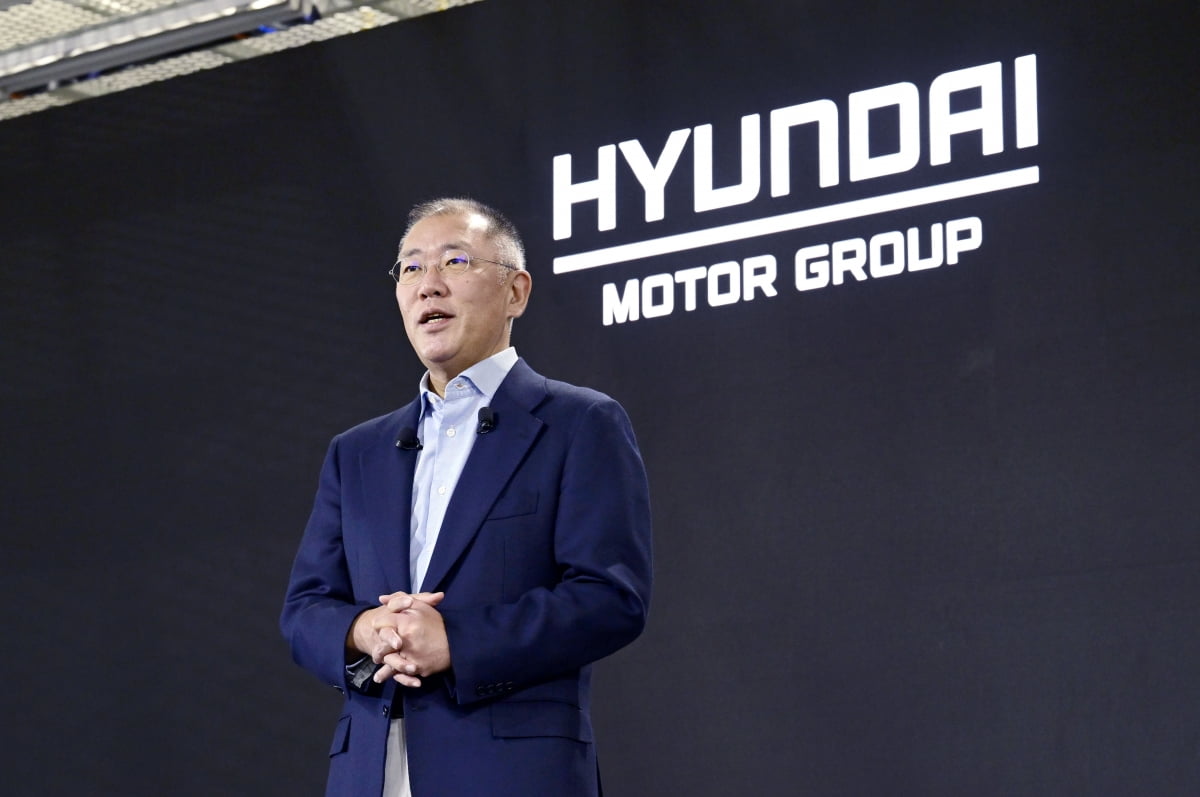
Chief Executive Jose Munoz said the company had diverted vessels away from traditional routes, resulting in longer procurement cycles. He described the current environment as unusually difficult and suggested the model of seamless globalization that defined past decades is breaking down under geopolitical strain.
Hyundai is now weighing longer-term adjustments, including producing more components closer to end markets such as Europe. The approach reflects a wider push across the auto industry to regionalize production and reduce dependence on vulnerable transit corridors exposed to conflict and trade friction.
The pressures are also reshaping Hyundai’s strategy in the United States, where the company has been expanding its manufacturing footprint. At its Georgia plant, Hyundai is broadening its lineup to include hybrid vehicles this year and extended-range electric vehicles next year, moving away from an earlier plan focused solely on battery-electric models. The company aims to increase its U.S. output to 1.2 million vehicles annually by 2030 and localize as much as 80% of its supply chain to mitigate tariff risks and external shocks.
Hyundai is also moving into new segments, including robotaxi production for Waymo, with volumes expected to scale significantly over time.
Despite the logistical strain, the company expects demand for electrified vehicles to remain resilient. For now, however, the more immediate challenge lies in maintaining stable production in an environment where geopolitical conflict is increasingly dictating how and where goods can move.