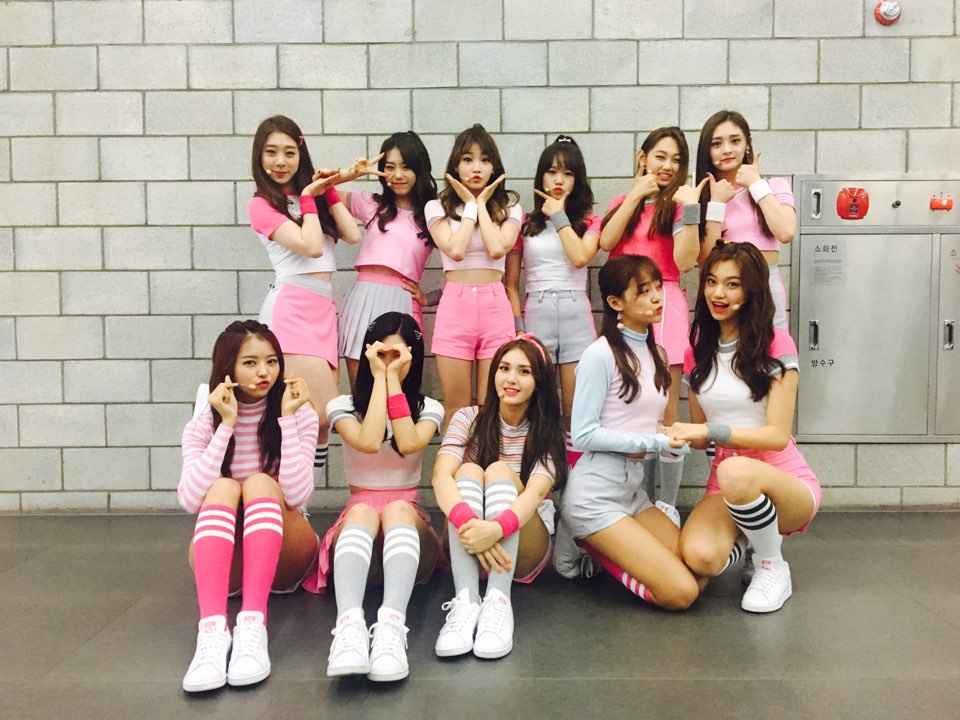
Nearly ten years after it disbanded, the South Korean girl group I.O.I is preparing to reunite for a concert marking the tenth anniversary of its debut, a move that highlights the lasting power of a pop experiment built on fan participation rather than longevity.
The reunion plans moved from long-standing rumor to confirmation after member Yoo Yeonjung said during a recent radio broadcast that a concert was already in preparation, adding that a venue had been secured and hinting at a return timed for the spring. The comments quickly reignited attention around a group whose official lifespan was measured in months, but whose cultural footprint has stretched across a decade.
I.O.I was formed in 2016 through the first season of Produce 101, a televised competition that allowed viewers to vote members into a temporary group. At the time, the format represented a radical shift, turning audience engagement into a core mechanism of artist creation. The model would later become a foundation of the K-pop industry and influence reality-driven talent pipelines well beyond South Korea.
From a global perspective, the timing matters. The group emerged as streaming platforms and social media were beginning to redefine how pop audiences form attachments to artists, rewarding not just music but narrative and participation. I.O.I’s success showed how quickly a fan-built act could gain momentum, even without the long development cycles traditionally associated with pop stardom.
That the group is resurfacing a decade later underscores a broader shift within K-pop itself. The industry, once defined by rapid turnover and relentless focus on new debuts, has increasingly leaned into its back catalog, revisiting earlier acts whose stories still resonate with audiences. In that sense, the reunion is less about nostalgia than about testing the durability of a fan relationship forged at the height of the audition-show era.
Not every member is expected to return. Kang Mina, now focused on acting, is widely reported to be unable to participate due to prior commitments, a reminder that the group’s former members have long since diverged into separate careers across music, television, and film.
Even so, the concert carries symbolic weight. It revisits a moment when pop production became a shared project between industry and audience, and asks whether that bond, once strong enough to propel a short-lived group onto the global stage, can still draw fans together ten years later.