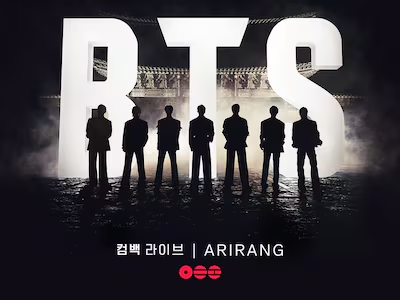

BTS reveals the emotional and creative strain behind its global success in a new Netflix documentary, BTS: The Return, offering an unfiltered look at the group’s efforts to redefine itself with its latest album ARIRANG.
The film captures the band at a pivotal moment, as its members grapple with the expectations of being one of the world’s biggest pop acts while attempting to launch what they describe as “BTS 2.0.”
“Living as BTS for 12 years is a blessing,” leader RM says in the documentary. “But the crown is too heavy and scary to bear.”
The project begins in Los Angeles, where the group reunites for a songwriting camp following individual solo activities. Despite their global dominance, the members appear uncertain about the direction of their music, struggling to balance their established identity with the desire to evolve.
“We have the framework, but I keep wondering if there’s a better song,” RM says. “We’re still figuring out what makes something truly BTS.”
The uncertainty is echoed by other members. V expresses frustration that the group’s attempt at change may not have gone far enough, while Jimin admits he wants to avoid perceptions that the group has become predictable.
As recording sessions stretch into long days and candid nights, the documentary shows raw, unscripted moments—including disagreements, self-doubt, and the pressures of maintaining global relevance.
The tension peaks during discussions over the album’s musical direction. One track, “Body to Body,” incorporates the traditional Korean folk song “Arirang,” sparking debate among members over how to balance cultural identity with global appeal.
While J-Hope embraces the concept, others voice concern that it could be perceived as forced or overly nationalistic. RM likens the approach to “mixing too many ingredients into one dish,” highlighting the group’s internal creative conflict.
The title track, “SWIM,” marks a departure into a lo-fi sound, but even after its selection, uncertainty lingers. Members share that early reactions from acquaintances were mixed, reinforcing their anxiety about audience expectations.
Jin reflects on similar doubts during the release of “Dynamite,” which went on to top the Billboard Hot 100, noting that not all members initially supported the track.
Ultimately, the group embraces change. “We can’t keep doing the same thing forever,” the members conclude in the film. “If we’re going to evolve, it has to be now.”
The documentary also features Bang Si-hyuk, who emphasizes BTS’s global influence and the symbolic power of introducing Korean elements like “Arirang” to stadium audiences worldwide.
Directed by Vietnamese-American filmmaker Bao Nguyen, known for documentaries such as Be Water, the film highlights not only the group’s artistic process but also its deep sense of brotherhood.
“This isn’t just about making music,” Nguyen said. “It’s about family, identity, and navigating a world that isn’t easy to move through—even for BTS.”
Despite internal struggles, the group’s commercial power remains intact. Within three days of release, ARIRANGsurpassed 4 million copies sold and topped iTunes album charts in 88 countries, underscoring BTS’s enduring global appeal.
Often compared to The Beatles, the group continues to wrestle with the weight of its own legacy. “It’s overwhelming,” Jin says in the film. “I don’t think I’m someone who can handle this level of success.”
Yet the documentary closes on a note of resilience. Drawing from the metaphor behind “SWIM,” RM emphasizes perseverance: “Even with the weight of the crown, we can keep going—because we’re not alone.”