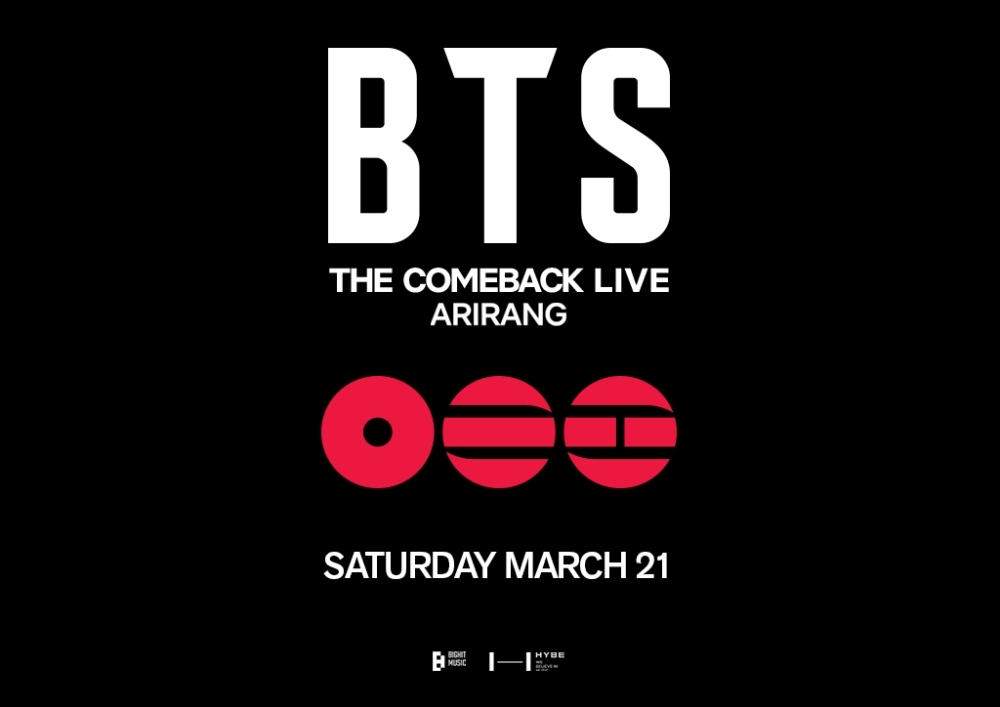
BTS, one of the most influential pop acts of the past decade, has been absent from the concert stage since October 2022. The gap, now exceeding three years, is striking in the U.S. music industry, where even the biggest artists rarely step away from touring without a clearly communicated plan.
The silence has begun to draw attention not because of fan impatience, but because of what it suggests about management at the top of a global entertainment operation.
That tension surfaced publicly last week during a live broadcast on the fan platform Weverse, when RM, the group’s leader, voiced frustration over the lack of clarity surrounding the group’s future schedule. Saying he wished the company would show more care and move faster in communicating plans, RM stopped short of naming names, but his remarks were widely understood as a reference to HYBE, the publicly traded firm whose global expansion has been built largely on BTS’s success.
For American readers, the significance of RM’s comments lies less in their emotional content than in their implications. In the U.S. market, extended inactivity by a franchise-level artist without a publicly articulated roadmap is rare. When it happens, it typically points to internal coordination issues or strategic hesitation, rather than creative burnout.
RM suggested that preparations are underway, calling 2026 a pivotal year and hinting at a major phase ahead. At the same time, he questioned why no timeline has been announced, highlighting what appears to be a disconnect between internal planning and external communication. He has made similar remarks in earlier broadcasts, describing the prolonged uncertainty as exhausting and expressing a strong desire to return to the stage.
That uncertainty matters because BTS is not simply one act among many. For HYBE, the group represents a core asset, central to revenue, brand identity, and the company’s credibility as a global entertainment operator, particularly as it expands its footprint in the United States. A prolonged lack of clarity around BTS’s return therefore carries implications beyond fandom, touching investor confidence and corporate governance.
RM has acknowledged that the group has wrestled privately with difficult questions about its future and that continuing together was not a given. His recent remarks, however, made clear that the current frustration is not about whether BTS will return, but about how long that return remains undefined.
At this stage, the central issue is no longer when BTS will come back. It is why a global music franchise of this scale is still operating without a clearly communicated timeline, and what that silence reveals about the challenges of managing one of the world’s most powerful cultural assets.