South Korea is moving to dismantle what officials describe as a distorted supply-chain structure in its highway service areas, aiming to curb entrenched practices that have shifted costs onto small vendors while allowing intermediary operators to collect layered fees.
The initiative follows mounting complaints from tenant merchants who say they have faced delayed payments, opaque charges and limited bargaining power under a multi-tiered concession model. In the current system, state-owned facilities overseen by Korea Expressway Corporation are managed by private contractors, which then sublease space to individual vendors.
Officials now view that structure as a core source of imbalance rather than a series of isolated disputes. Kim Yun-deok, South Korea’s Minister of Land, Infrastructure and Transport, said the government intends to “fundamentally reset” the framework, signaling a shift away from intermediary-heavy operations.
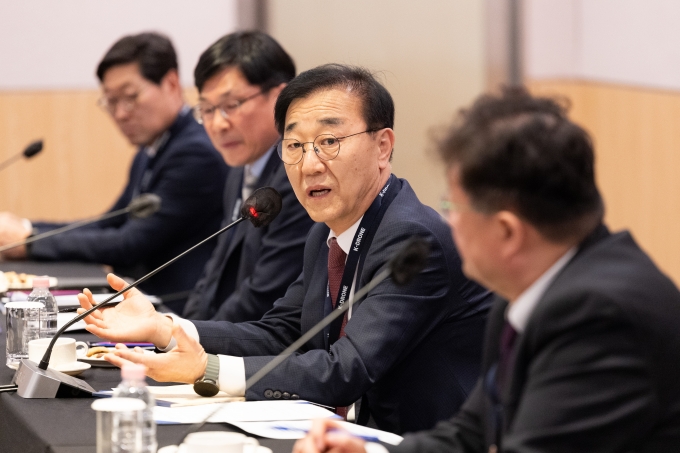
During a site visit to a major expressway rest stop this week, Kim met directly with small-business tenants, many of whom described recurring delays in settlement for supplied goods and fees they said lacked clear contractual justification. Some practices, according to officials familiar with the matter, have persisted for years with limited corrective action.
The ministry has formed a task force to redesign the operating model. One proposal under review would reduce—or in some cases eliminate—intermediary operators, effectively moving toward a more direct management system intended to streamline transactions and limit fee layering.
Authorities are also conducting a nationwide inspection of service areas to identify similar cases. The review is expected to conclude later this month, after which the government will decide whether to implement system-wide reforms.
The push reflects a broader policy shift toward protecting small merchants embedded in quasi-public commercial ecosystems, where infrastructure is state-owned but day-to-day operations are outsourced. By restructuring the supply chain, officials aim to restore pricing transparency and rebalance risk between operators and tenants.
For now, the outcome will hinge on how far the government is willing to go in unwinding long-standing concession arrangements—an effort that could reshape one of the country’s most visible hybrid public-private retail networks.